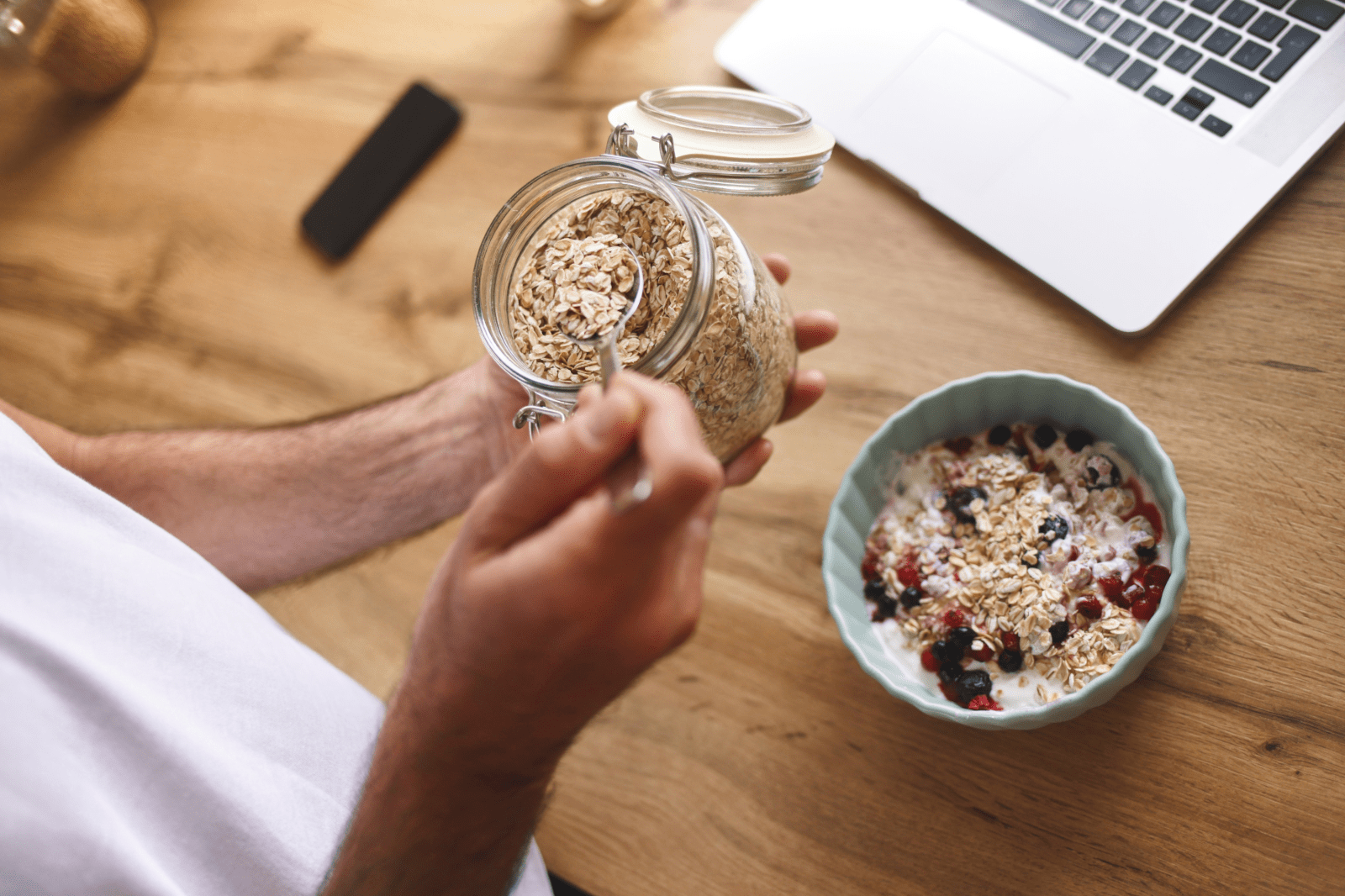
Breakfast serves different purposes for people. Some may quickly eat toast while getting kids ready for school. Others rely on coffee until lunchtime or skip the meal entirely, hoping to eat later. However, the first meal of the day holds more significance than many realize.
Toby Smithson, who has managed type 1 diabetes for over 50 years, shares her insights as the senior manager of nutrition and wellness at the American Diabetes Association.
1. Skipping Breakfast
Smithson identifies skipping breakfast as a significant mistake. Many believe that skipping meals helps reduce calorie intake, but it might complicate blood sugar management and increase hunger. Smithson explained that eating breakfast aids in distributing carbohydrate intake evenly throughout the day. This prevents consuming larger amounts later, which can lead to blood sugar spikes.
These spikes are normal after eating but become problematic with meals heavy in refined carbs and low in protein or fiber. Rapid glucose fluctuations can cause early hunger, leading to extra snacking and making weight management challenging. A balanced breakfast with fiber-rich carbs, lean protein, and healthy fats can promote fullness until lunch.
2. Ignoring Carbohydrates Entirely
Carbohydrates often attract blame, but Smithson warns against eliminating them completely. The appropriate carbohydrate amount for breakfast varies based on individual eating plans, health goals, and blood glucose patterns. She recommends selecting high-fiber options like fruit, beans, and whole grains alongside protein or healthy fats. This supports steadier blood glucose levels and longer-lasting energy.
3. Not Getting Enough Protein
Another error is consuming meals high in carbohydrates but low in protein. Protein plays a crucial role in making breakfast feel more satiating, Smithson highlights. Foods such as eggs, cottage cheese, Greek yogurt, and tofu, paired with fiber-rich carbs, increase meal satisfaction. A breakfast combining protein and fiber delivers sustained energy throughout the morning.
4. Assuming Certain Drinks Are Healthy
Some breakfast drinks can appear nutritious but may contain substantial sugar and calories. Smithson lists specialty coffee drinks—like lattes, mochas, frappes, and flavored iced coffees—as common culprits. Despite being perceived as natural options, they add carbohydrates and calories, affecting blood glucose similarly to added sugars.
What a Balanced Breakfast Looks Like
Smithson encourages building breakfasts around a simple formula: pair a lean protein or healthy fat with a high-fiber carbohydrate. Examples include eggs with whole-grain toast and sliced tomato, a bowl of cottage cheese with fruit, or tofu and vegetables in a whole-grain wrap. This combination provides increased satiety and sustained morning energy.
One Breakfast Swap to Make Today
For an easy improvement, Smithson suggests filling half of the plate with non-starchy vegetables, a quarter with lean protein, and a quarter with a quality carbohydrate source. A lower-carb and lower-saturated-fat option includes an egg white wrap with tomatoes and spinach, paired with a plant-based sausage patty. Another nutritious choice is overnight oats made with high-fiber oatmeal, low-fat milk, and topped with nut butter.
For more information, contact Kara Dolman and James Debens.
Leave a Reply