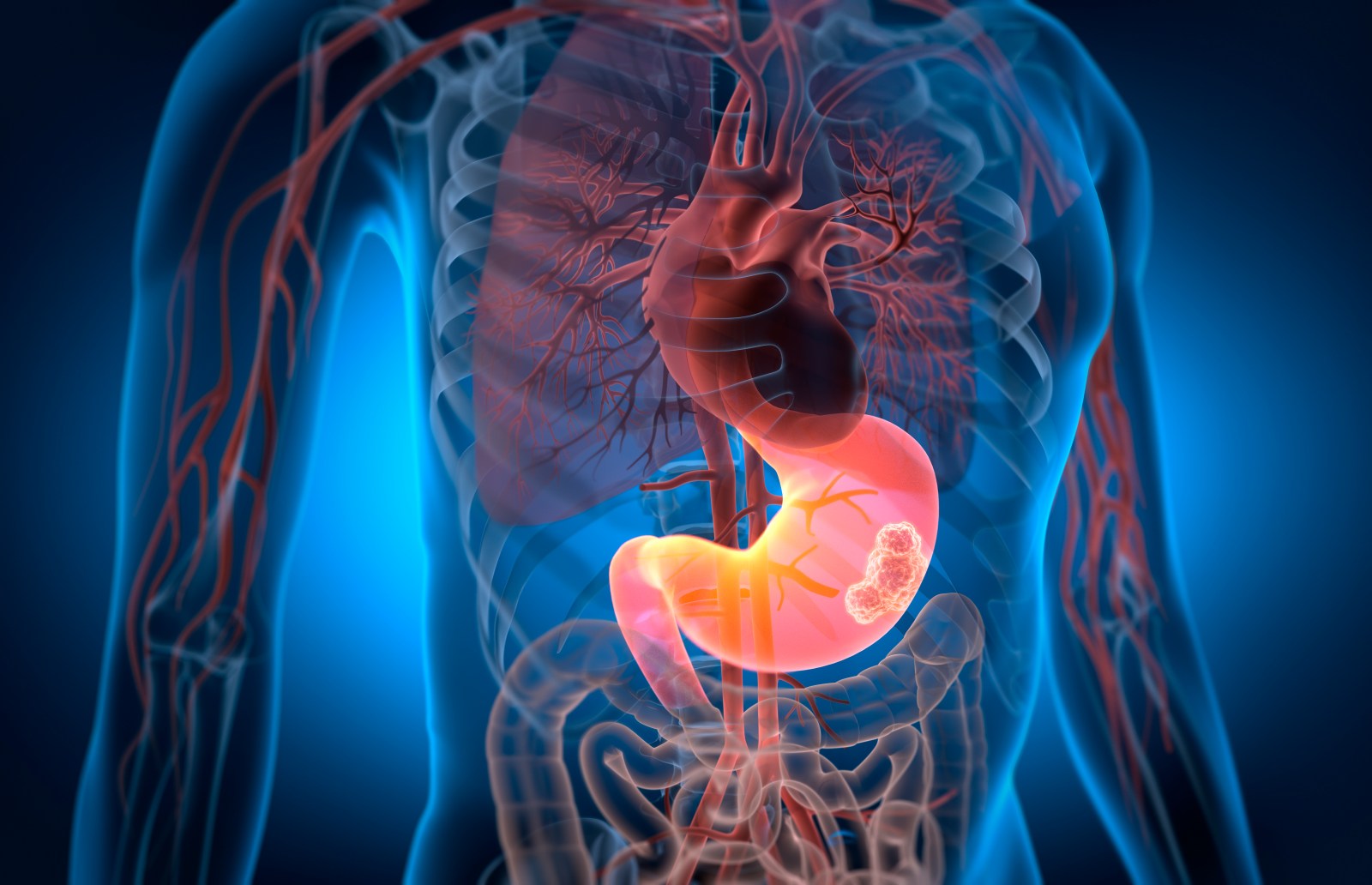
Researchers propose a novel approach to improve cancer treatment, especially for solid tumors. CAR-T cell therapy, effective in treating blood cancers, now finds a new ally in tackling solid tumors. This treatment involves adding a lab-developed gene to a patient’s T cells, enhancing their ability to find and kill cancer cells. The Cleveland Clinic noted its success, primarily when other treatments fail or when blood cancer recurs.
The therapy’s limitation against solid tumors stems from the absence of a distinct target. However, at the USC Viterbi School of Engineering, a method using focused ultrasound was discovered to refine CAR-T targeting. According to Newsweek, researcher Tianze Guo’s team devised a way to mark hard-to-target tumors temporarily, allowing CAR-T cells to effectively identify these targets.
“Only where both signals meet do tumor cells display the marker, directing CAR-T cells exactly where to attack. The goal is to make solid tumors easier to recognize while giving doctors control over where and when treatment switches on,” Guo explained.
The innovation, known as SHIFTERS, facilitates tumors to temporarily show CD19, a marker recognized by CAR-T cells. As Peter Yingxiao Wang, a prominent researcher, highlighted in EurekAlert!, this technique opens new pathways for solid tumor treatment. Yet, he cautions about the time and resources needed for clinical application.
Solid tumors experience low oxygen levels due to rapid growth that outpaces their blood supply. SHIFTERS utilizes this by employing a dual approach—recognizing low oxygen conditions and implementing focused ultrasound. This combination can effectively target tissue without invasive procedures.
Earlier efforts sought unique markers for solid tumors, but SHIFTERS compels tumors to generate such markers. Initial tests on lab-grown cancer cells, tumor models, and animals demonstrated significant improvement. CAR-T cells exhibited stronger attacks, causing tumors to shrink considerably. Remarkably, not all tumor cells needed to present the marker, as displaying in just 10-25% of cells was enough to prompt an immune response that destroyed adjacent cancer cells.
While promising, the technique remains experimental and untested in humans. Guo emphasized the central challenge of efficiently delivering the SHIFTERS genetic program into tumors. The team is exploring lipid nanoparticles and modified viruses for delivering this therapy, with plans to advance into animal studies and human trials. The findings were published in Science Advances, providing a foundation for future exploration of this promising technique.
Leave a Reply