Updated on: October 3, 2026, CBS News reports that Iowa has taken an unusual step by awarding Mesabi Metallics $1.36 billion in tax incentives over a decade for a new steel plant in Lee County. Owned by the Indian conglomerate Essar Group, this decision prompted protests at the Iowa statehouse where signs declared ‘No Steel Steal!’
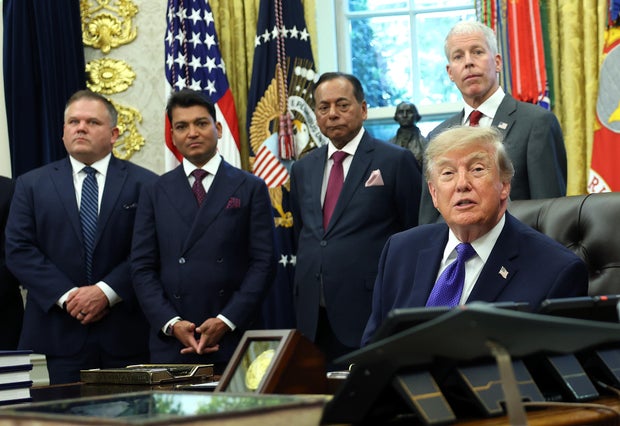
The Iowa House passed the bill 75-17, and the Senate followed with a 28-19 vote. Governor Kim Reynolds signed it into law promptly. This development follows an announcement by President Trump, revealing that the largest steel plant in U.S. history will be built in Iowa. It is said to promise 1,750 permanent jobs and roughly 6,000 temporary construction jobs, causing surprise among state lawmakers who hadn’t yet reviewed the details.
Opponents, who generally support the project, are concerned about the lack of safeguards and public benefits. They argue the incentives amount to $777,000 per permanent job, without considering temporary construction roles. At a time when Iowa’s farmers face challenges, the billion-dollar tax credit for a foreign company is contentious.
Why Iowa?
Iowa is not traditionally associated with steel production. Unlike Minnesota, which possesses rich iron ore deposits, Iowa has few scrap-fed steel mills. However, Mesabi Metallics, based in Minnesota, argues for Iowa due to its location downriver on the Mississippi. Moreover, Iowa holds significant political value due to its tightly contested races, particularly in its first congressional district.
Congresswoman Mariannette Miller-Meeks is defending her GOP seat which was narrowly won in 2024, while recent forecasts show a Democratic lean. The construction of a new steel plant may influence these pivotal races.
Past Bankruptcy Concerns
Mesabi Metallics and Essar Group have a history of unfulfilled promises. In 2008, Essar announced a $1.6 billion project in Minnesota that eventually fell through, and Essar Steel Minnesota filed for bankruptcy in 2016. Despite rebranding, the company still faces scrutiny over its past, particularly considering its significant financial involvement with Russia’s state-owned bank VTB.
Questions arise about the resemblance to the failed Foxconn project in Wisconsin, which promised extensive investment but fell short, impacting public support and political careers.
Complex Political Dynamics
Despite concerns over the rushed legislative process, Iowa’s political landscape is complicated. State Senator Kevin Alons expressed frustration over the timing but ultimately supported the bill. Other Republicans like State Senator Dave Sires voted against it, highlighting the lack of preparation and budget concerns.
Republicans in the Iowa Senate face a delicate balance of supporting job creation and avoiding a rushed financial commitment to a foreign-owned company. Meanwhile, Democrats, although intent on supporting job opportunities, criticize the hasty approval without proper analysis.
Republican gubernatorial candidate Zach Lahn supports the deal as an exceptional opportunity, while Democratic nominee Rob Sand seeks more transparency before committing. Iowa Senate Democratic Leader Janice Weiner criticizes the short timeline, advocating for taxpayer involvement and thorough evaluation.
As early voting approaches, the debate scrutinizes whether Iowa’s $1.36 billion investment will fulfill its promise. The tax incentives remain pending until the plant’s anticipated operation in 2030.
The upcoming election may hinge on voters’ belief in the authenticity and value of this steel mill proposal. The broader question is whether Iowa’s substantial financial risk will yield the expected economic rewards.
Leave a Reply