Iran has issued a warning, stating it has “many more surprises” for the United States if American military attacks resume. Despite signs of peace efforts, tensions remain high. President Donald Trump recently mentioned that his planned attack on Iran was halted following discussions with leaders from Qatar, Saudi Arabia, and the United Arab Emirates. They suggested that terms for ending over 11 weeks of conflict in the Middle East might be within reach.
Trump’s remarks followed reports that Pakistan, which has facilitated talks between Washington and Tehran, proposed a new peace offer to U.S. diplomats. Trump later revealed that he almost authorized strikes but paused to further peace negotiations.
A return to active conflict would disrupt the fragile truce in place since early April. Minor confrontations have occurred during this ceasefire period. Trump noted last week that the ceasefire is “on life support.” This statement came after U.S. retaliatory strikes on Iranian sites, following Iran’s missile and drone attacks as U.S. warships crossed the Strait of Hormuz.
Despite U.S. efforts, Iran continues to control the strait, a vital passage for global oil and gas supplies. Only vessels approved by Iran have been allowed through since the U.S. and Israel initiated strikes on Iran on February 28. This control has stranded sailors and caused global fuel prices to fluctuate. As the conflict persists, the Trump administration’s approval ratings have suffered, increasing pressure ahead of the November midterm elections.
Recent data showed Chinese oil tankers leaving the strait. Vice President JD Vance mentioned that talks are “in a pretty good spot.” However, he acknowledged uncertainties about the U.S. negotiation team’s positions. Vance stated that the U.S. remains ready to resume military actions if necessary.
Trump claimed Iran is eager to finalize a deal but expressed concerns about the agreement terms in discussions. His administration has previously suggested military action while pointing to negotiations’ progress.
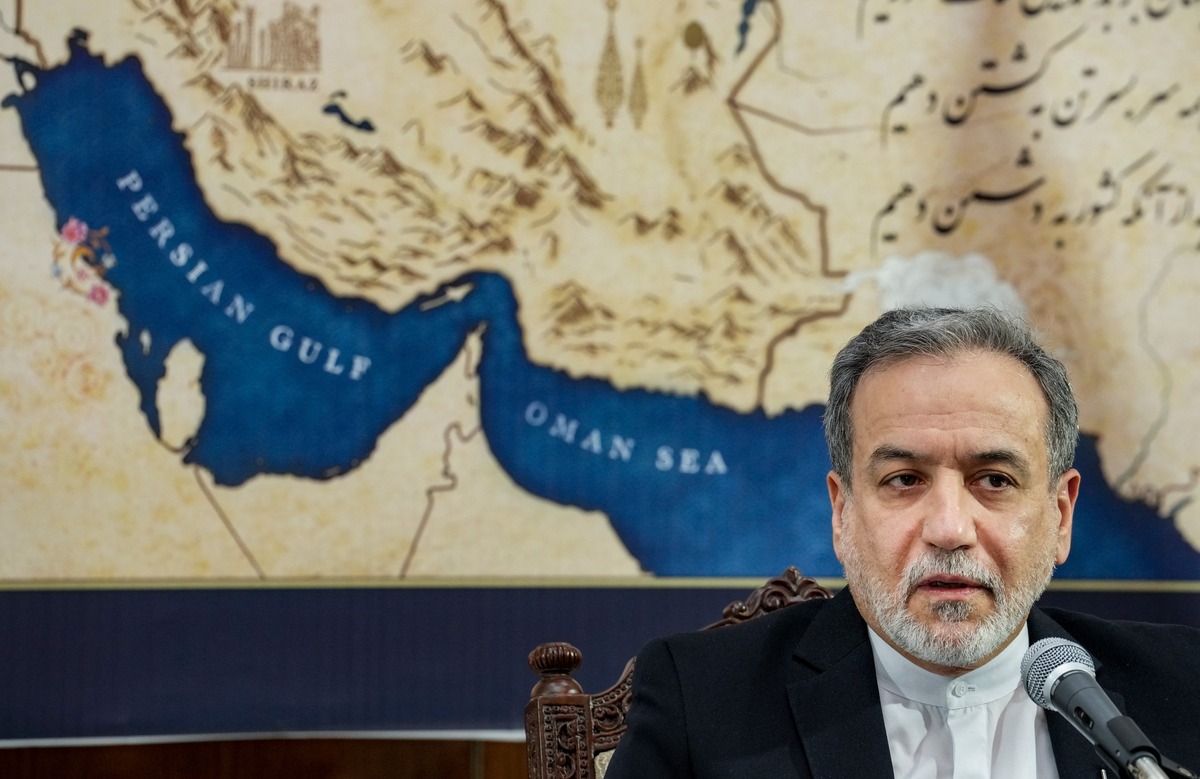
Iranian Foreign Minister Abbas Araghchi emphasized that Iran is prepared for potential U.S. attacks, stating that new military conflicts would include “many more surprises.” Kazem Gharibabadi, another senior Iranian diplomat, confirmed Iran’s readiness to face any aggression.
Iran’s latest proposal acknowledges its right to uranium enrichment and calls for the U.S. to lift its blockade on Iranian ports. The blockade began last month as a countermeasure to Iran’s control of the strait and hasn’t been lifted. U.S. Central Command reported turning away 89 vessels from Iranian ports.
The proposal also suggests that the U.S. pay for damages caused by its strikes, end Israel’s conflict with Hezbollah in Lebanon, and lift sanctions on Tehran. Yet, Trump has consistently rejected such deals, insisting the U.S. will not tolerate Iranian nuclear weapons access. While Iran maintains its nuclear program aims for peaceful energy generation, international experts warn Iran’s uranium enrichment approaches weapons-grade levels.
Leave a Reply