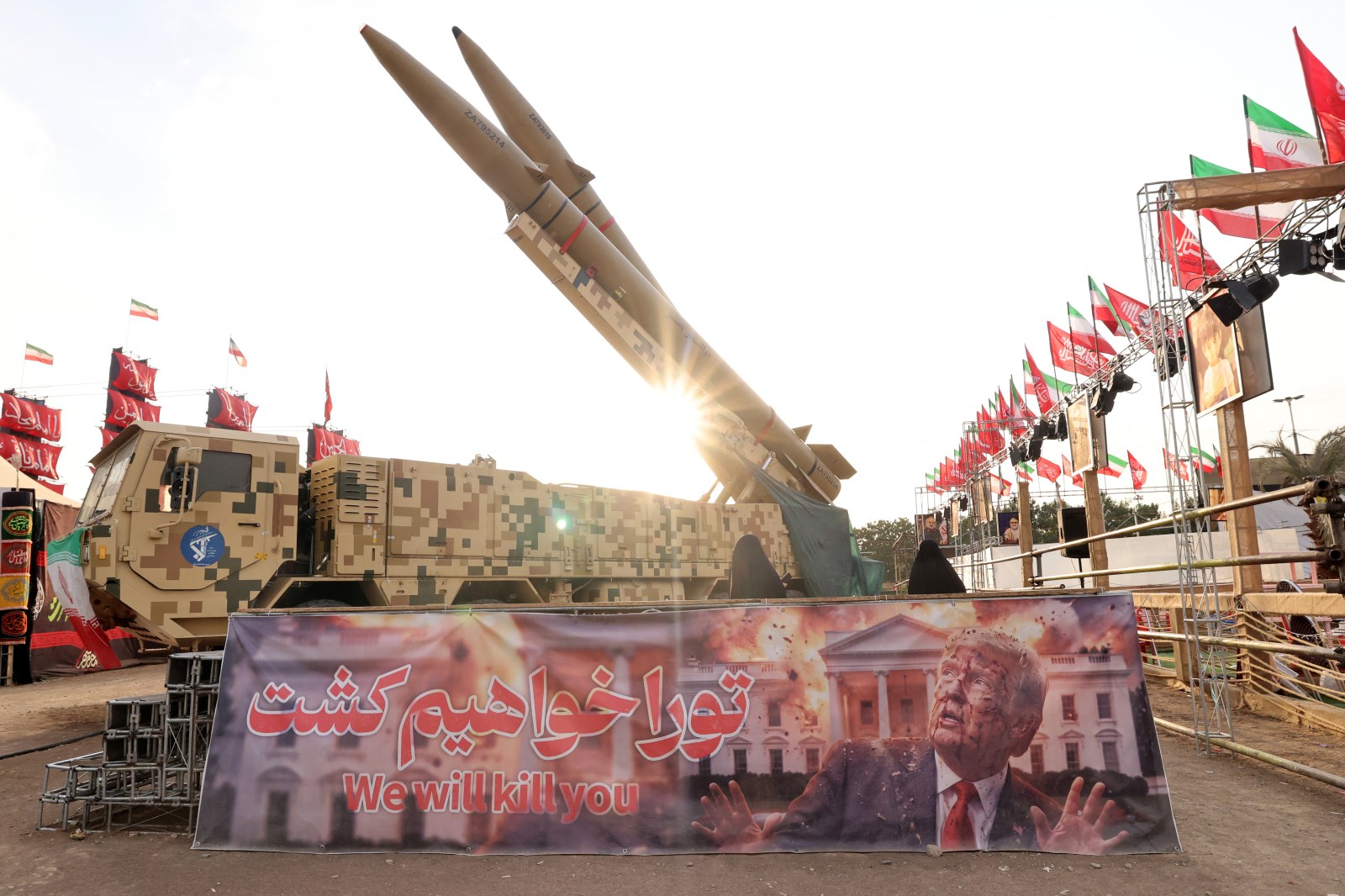
Iran is moving strategically during the ongoing conflict in the Middle East, focusing on asserting its influence rather than pursuing nuclear ambitions. The United States and Israel remain attentive to nuclear matters, but Iran leverages the Strait of Hormuz as a key tool in its strategy.
The anticipated agreement between Iran and Oman could formalize this leverage by instituting service fees for passage through the crucial oil and gas corridor. This move aims to secure a peace settlement. Javad Heirannia, an expert in Persian Gulf Studies, explained to Newsweek that Iran seeks a permanent control over the Strait of Hormuz, aiming for a strategic advantage recognized internationally.
Such control could support Iran in negotiations on nuclear issues by offering leverage against future U.S. actions, even if agreements on uranium enrichment are not fully honored by the U.S.
The recognition of Iran’s status as a powerful regional player is crucial, facilitating goals like consolidating control over the Strait of Hormuz and obtaining security guarantees,” Heirannia said, maintaining Iran as a key power rather than a passive player.
When Hamas attacked Israel in 2023, Iran quickly mobilized its Axis of Resistance coalition. Groups like Hezbollah, Yemen’s Ansar Allah, and other militias participated, facing strikes from Israel and the U.S. Despite initial setbacks, Iran aims to revitalize this coalition for strategic impact.
Iran has declared attacks on Axis members as equivalent to direct attacks on its infrastructure, reinforcing its commitment to this regional strategy. This approach aligns with the shifting regional dynamics, contrasting with partnerships forming among nations like Saudi Arabia, Egypt, Turkey, and Pakistan.
Saudi Arabia and the UAE have pursued different diplomatic strategies, influencing regional conflicts in Libya, Sudan, and Yemen. Efforts by the U.S. aim to unify against such regional divisions, as Iran strategically uses its control of the Strait and partnerships to shift power balances.
The Impact on U.S. Interests
The U.S. is experiencing pressure on its influence in the Middle East because of the conflict. Aya Ibrahim from Columbia University’s Center on Global Energy Policy noted that Gulf partners are reassessing U.S. security commitments.
Randy Manner, a retired Major General, highlighted how the redeployment of U.S. assets from regions like Taiwan and Ukraine makes global security more precarious. Former Pentagon spokesperson Chris Meagher pointed out that conflicts draw resources from other priorities, providing opportunities for China and Russia to increase their influence.
Giorgio Cafiero of Gulf State Analytics stated that Gulf countries are increasingly looking to China to diversify partnerships, accelerating a trend that may reduce reliance on the U.S. This shift aligns with Iran’s longstanding geopolitical interests and is supported by Tehran’s narrative that U.S. bases bring insecurity.
Ultimately, Iran’s strategic positioning, centered around the Strait of Hormuz and reinforced alliances, could shift the regional balance long-term, diminishing U.S. presence and allowing for greater Chinese influence.
Leave a Reply