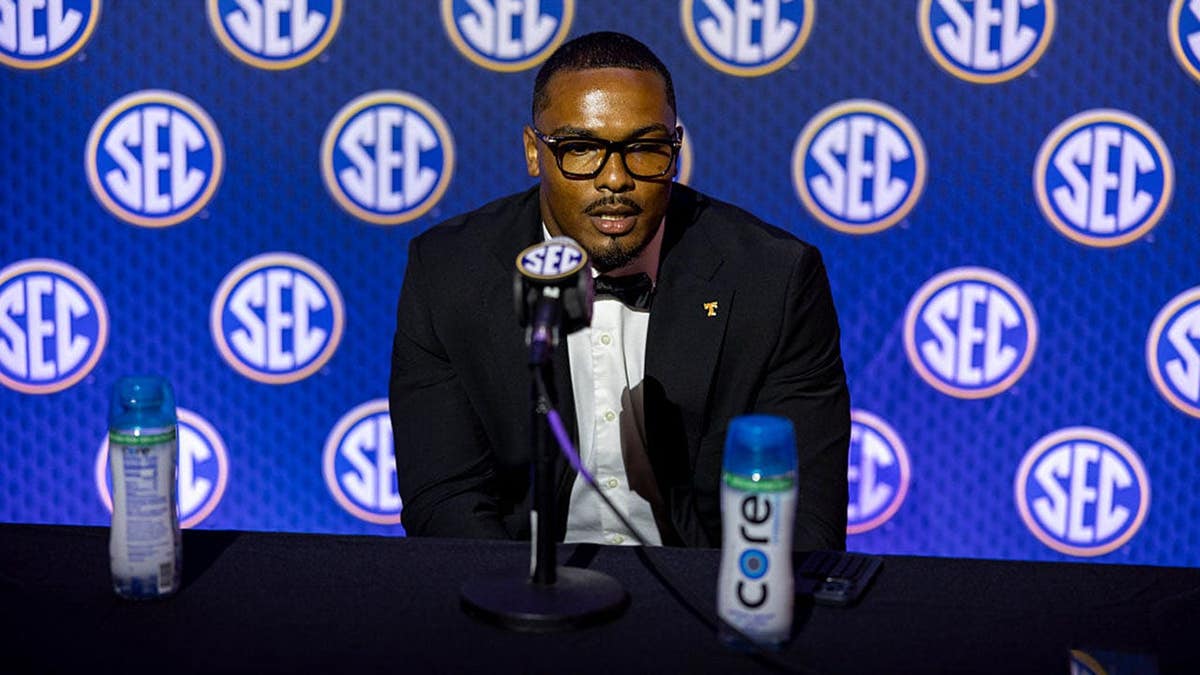
KNOXVILLE, TN – The NCAA’s decision to suspend Tennessee linebacker Arion Carter for the first two games of the upcoming season has sparked criticism from Tennessee’s head coach, Josh Heupel. Heupel expressed his discontent with the NCAA’s current rule structure.
A Pursuit of NFL Dreams Cut Short
After the conclusion of the 2025 season, Carter announced his intention to enter the NFL Draft and hired a professional agent. This move led to Carter losing his collegiate eligibility under existing NCAA rules. Compounding this, Carter accepted a $427 plane ticket from his agent for a training session, where he learned of a foot injury that affected his draft prospects. Facing potential financial losses and diminished chances, Carter decided to return to college shortly after his initial decision.
Carter made restitution by repaying the $427. The school self-reported this violation to the NCAA. Subsequently, Carter entered the transfer portal briefly before rejoining Tennessee’s football program.
Coach Heupel’s Unfiltered Response
Speaking before the Vols opened Fall camp, head coach Josh Heupel criticized the NCAA’s ruling, saying, “He’s done everything the right way..The ruling that came out from the NCAA of a 2-game suspension I truly believe is bullshit.” He expressed disappointment with the outdated rules, emphasizing the role of NIL deals in reshaping college sports.
“The ruling is completely outdated,” Heupel stated. “I am disappointed for him, and for us.”
NCAA’s Stance on Carter’s Ineligibility
The NCAA explained its decision, pointing to clear rules that prohibit student-athletes from signing with agents for NFL Draft prospects. Violations lead to ineligibility, requiring repayment or competition restrictions for reinstatement. A further issue is the lack of recourse for athletes who declare for the draft but encounter injuries during early training.
Comedic Complexity of College Athletics
College athletics face contradictions, particularly in the context of NIL deals. Schools find ways to work around revenue-sharing limitations while high school prospects negotiate private airfare benefits. As athletes generate millions for schools and the NCAA, outdated rules prevent Carter from national exposure during primetime games against Georgia Tech.
Heupel highlighted Carter’s January decision, noting the player’s honesty throughout the ordeal and his subsequent repayment of expenses. “He found out he needed a medical procedure,” Heupel remarked. “He made the right choice to come back to college football.”
The decision impacts Carter’s participation as a team leader, benching him for the initial 2026 games. Despite potential legal avenues against the NCAA, Carter remains focused on the season, handling the situation gracefully.
Criticism of the NCAA’s decision extends beyond Tennessee’s administration, resonating with college football fans nationwide. Trey Wallace, Sr. College Sports Reporter at OutKick, provides coverage of the issue.
Leave a Reply