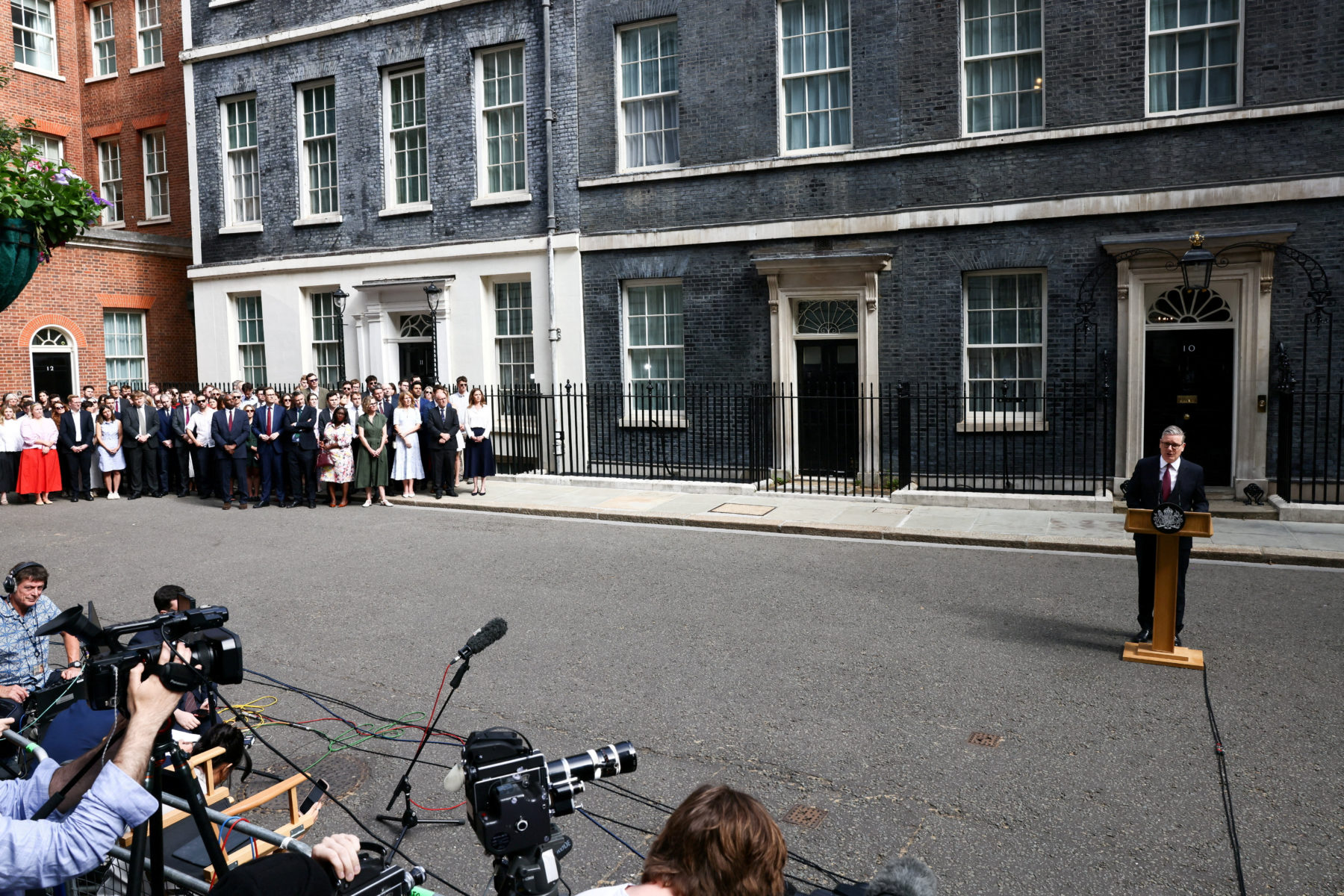
Keir Starmer, elected as Britain’s prime minister with a promise to stabilize politics, is stepping down less than two years into his term. His resignation follows party infighting and an error tying him to Jeffrey Epstein-related scandals, though he had no direct association with Epstein’s crimes.
Reasons Behind Starmer’s Resignation
In an emotional announcement, Starmer stated he will remain as caretaker prime minister until a new Labour leader is chosen. His leadership was marked by challenges despite the initial promise of bringing respect to politics.
Starmer’s tenure suffered from political missteps and lack of party support. Although Labour secured a significant parliamentary majority, only 34% of voters backed the party. Many were driven by dissatisfaction with the Conservatives, not an attraction to Labour’s platform.
Missteps included accepting high-value gifts and policy reversals. His decision to appoint Peter Mandelson as the UK ambassador to the US backfired due to Mandelson’s links to Epstein, leading to further credibility issues.
Starmer’s Political Background and Challenges
Having entered politics later in life after a career in law, Starmer lacked some political instincts. As a former chief prosecutor, he gained fame for prosecuting high-profile cases, earning a knighthood for his work. Opponents often used his elite status against him.
Starmer’s personal life contrasts with this elite image. From humble roots, he embraced simple pleasures like soccer and family life. His political career began in 2015, eventually leading the Labour Party and shifting it toward the political center, distancing from Jeremy Corbyn’s policies.
Despite strong performance in parliamentary debates, Starmer struggled as prime minister. Issues like attempts to cut welfare and pro-Palestinian criticisms weakened his standing. However, he excelled internationally, notably supporting Ukraine amidst its conflict with Russia.
Reflections on Starmer’s Tenure
Starmer’s relationship with Donald Trump turned sour due to differing political stances and the Iran war. Despite maintaining a public image of neutrality, Starmer’s critiques of Trump intensified over time.
In his resignation statement, Starmer highlighted domestic achievements, such as improved National Health Service operations and workers’ rights. He believed in leaving Britain in a better position, but the public’s lack of support for Labour persisted.
A decisive by-election win by Andy Burnham in Greater Manchester suggested a pivotal change for British politics. Starmer’s resignation followed shortly, marking an end to his brief yet eventful tenure as UK’s prime minister.
Leave a Reply