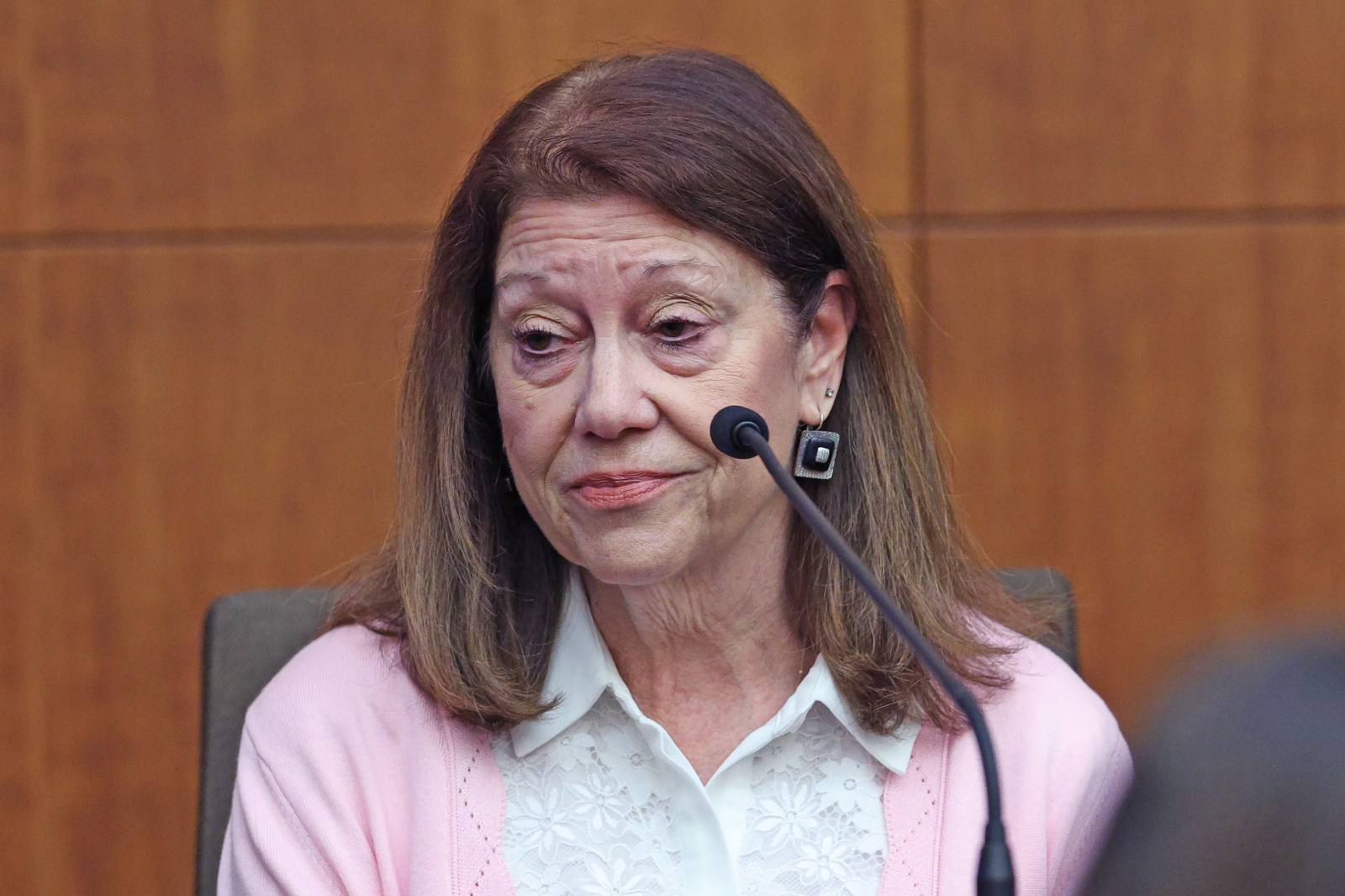
The Lindsay Clancy murder trial has reached a pivotal point after more than 70 witnesses and about three weeks of testimony. On Monday, prosecutors rested their case, featuring various witnesses, including first responders, mental-health professionals, and her husband.
Defense attorney Kevin Reddington is not disputing that Lindsay Clancy killed her three children. Instead, he argues that severe mental illness, including postpartum psychosis and bipolar disorder, prevents her from being criminally responsible.
Lindsay’s Mother’s Testimony
Paula Musgrove, Lindsay’s mother, provided crucial testimony indicating that Lindsay had previously revealed having thoughts of harming her children. This admission is important for the defense, highlighting her mental health struggles leading up to the tragic event. Paula stated that Lindsay did not confess to having a plan to act on these thoughts, a point the defense aims to emphasize as indicative of her mental deterioration.
Sister’s Account of Lindsay’s Mental Health
Lindsay’s sister, Allison Ozga, shared insights into Lindsay’s struggles. She noted significant changes beginning in the fall of 2022. Around December, Lindsay experienced daily suicidal thoughts, describing herself as feeling numb and hopeless. Despite this, Ozga testified that she did not perceive Lindsay as a threat to herself or others.
Significant Digital Evidence
Ian Whiffin, a digital-forensics expert, presented evidence of Lindsay’s internet searches. Five days before her children’s deaths, Lindsay searched for information on postpartum psychosis and psychiatric medication. Prosecutors argue these searches indicate a premeditated act, while the defense suggests they reveal Lindsay’s attempt to understand her mental health condition.
He also introduced data from Lindsay’s Apple Watch and iPhone on January 24, 2023, indicating activity during crucial timeframes. However, Whiffin could not definitively state who carried the devices when specific activities were recorded, offering the defense grounds to question the prosecution’s timeline.
Medication Concerns
Musgrove recalled Lindsay expressing distress over her psychiatric medication, claiming it was destroying her mind. This assertion aligns with the defense’s view that Lindsay’s treatment was inadequate and possibly harmful, aggravating her underlying conditions.
Musgrove shared another significant instance from October 2022 when Lindsay informed her of feeling unwell. Lindsay’s mother stayed with her for a week and continued to visit, witnessing little to no improvement.
Prosecutors Question Family’s Perceptions
During cross-examination, prosecutors questioned why family members, knowing Lindsay’s mental health challenges, did not remove the children from her care. Musgrove admitted she did not perceive an immediate threat, suggesting Lindsay’s mental illness was difficult to assess accurately.
GoFundMe Support
Outside the courtroom, a GoFundMe campaign has raised significant support for Lindsay’s family. Her parents moved from Connecticut to Massachusetts and face financial burdens from attending the trial and supporting Lindsay. The campaign was initiated by a TikTok creator, Brandee Mulligan, with no familial ties to the Musgroves.
The Trial’s Future
The defense will continue presenting witnesses, particularly focusing on Lindsay’s mental health, while the prosecution may call rebuttal witnesses. Upon closing arguments, the jury will deliberate. A conviction could mean life imprisonment for Lindsay, while a verdict of not criminally responsible could result in her commitment to a psychiatric facility.
Leave a Reply