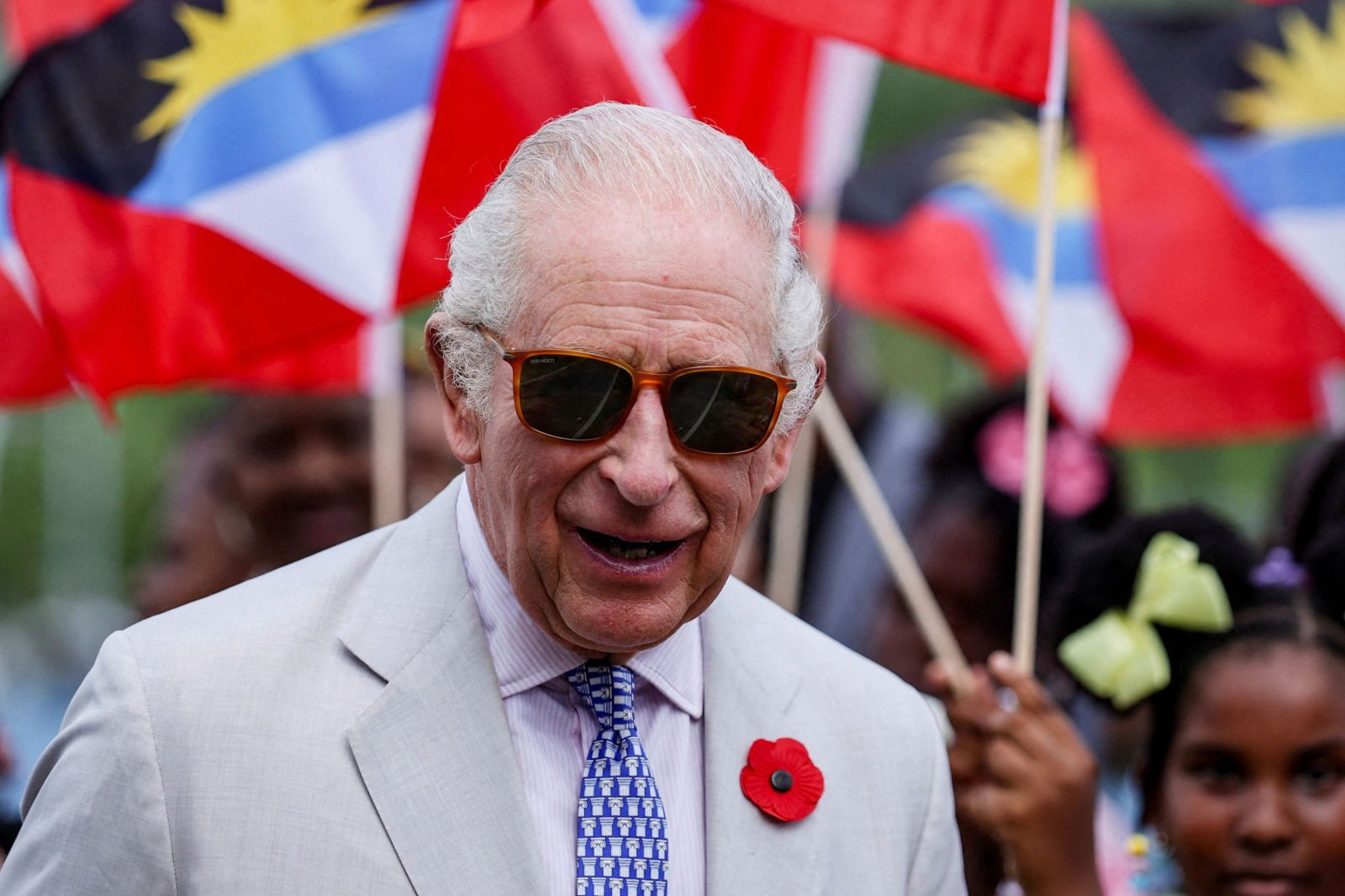
King Charles III Addresses Slavery and the Royal Navy’s Role
King Charles III risked controversy while speaking in St John’s, Antigua, by stating that the Royal Navy “played such a leading role” in ending slavery. He acknowledged the suffering caused by this “shameful chapter” in Britain’s history. His comments came during a speech to the leaders of Commonwealth nations.
Recent Commitments and Reactions
The British Monarchy has faced pressure to acknowledge its links to the trade in enslaved people. It is atypical for Britain’s head of state to partially defend the UK’s historical actions. Days earlier, British Prime Minister Andy Burnham expressed willingness to discuss an apology for slavery but ruled out reparations.
King Charles’s Perspective
During the Commonwealth Heads of Government Meeting, Charles stated, “We cannot change the actions of those who came before us. We can, however, learn from the past. The trans-Atlantic trade in enslaved persons still casts a shadow over these islands and other members of our Commonwealth.”
He further expressed personal horror over this chapter of history, asserting, “And yet history also teaches us that evil need not have the last word. Character and courage can combine to overcome the most monstrous injustice, as they did with the determination to end international trade in enslaved people, in which the Royal Navy played such a leading role.”
These remarks reflect the king’s earlier statements on the topic, setting a tone for discussions at the summit where slavery was a likely point of focus. He stressed his growing commitment to addressing past wrongs through modern partnerships.
The Broader Debate in Britain
King Charles is not the first to defend the United Kingdom’s role in ending slavery. Kemi Badenoch, leader of Britain’s opposition Conservative Party, recently argued against apologizing, highlighting Britain’s significant contribution to abolishing slavery.
Badenoch stated, “When will the demands stop? Everyone knows the trans-Atlantic slave trade was wrong. Britain played a huge role in stopping it. So when it comes to the question of reparations, my answer is no. It’s time for the Commonwealth to start looking forwards, not backwards.”
Meanwhile, Prime Minister Andy Burnham wrote about being open to an apology but dismissing reparations, stressing that people today should not be held responsible for historical wrongs committed under past laws.
Leave a Reply