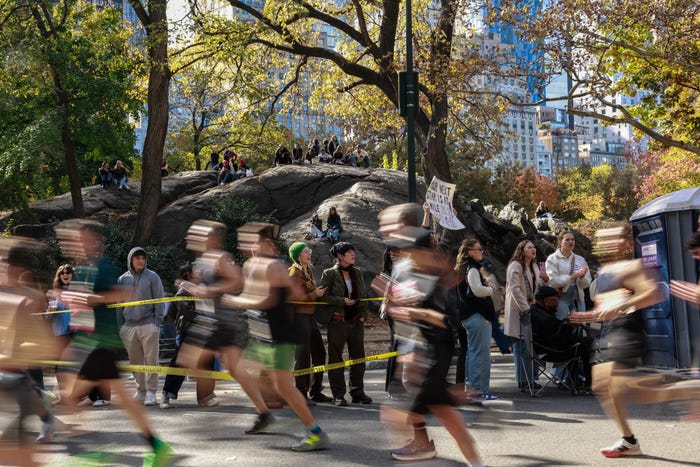
A 24-year-old woman died tragically after participating in the New York City Marathon. Her family reported that she suffered from a rare side effect of strenuous exercise known as rhabdomyolysis.
Rachel Apa, an experienced field hockey athlete who had been preparing for the marathon for several months, collapsed near mile 24 in Central Park. She was quickly transported to the hospital, according to her father, who spoke to The New York Times. Apa worked as a product manager at an electronics manufacturing company. Earlier in the year, she had announced on LinkedIn her intention to run the marathon to support the Parkinson’s Foundation in honor of her grandfather.
The New York Road Runners, the organization responsible for the marathon, and Apa’s family did not immediately respond to requests for comments. Rhabdomyolysis occurs when muscle tissues break down excessively and overload the kidneys. This condition, if not treated promptly, can become life-threatening.
Understanding Rhabdomyolysis
Rhabdomyolysis can emerge following severe muscle injuries or intense physical activity. When muscle tissues break down, they release substances into the bloodstream which are typically processed by the kidneys. However, these byproducts can sometimes overwhelm the kidneys and result in kidney damage or acute kidney failure.
Research indicates that approximately 26,000 cases of rhabdomyolysis are reported annually in the US. Factors such as hot environments and dehydration can heighten the risk, according to the Cleveland Clinic. Though not common, rhabdomyolysis is often linked to high-intensity exercises or long periods of endurance training without adequate rest. Past research has associated rhabdomyolysis with marathons, especially during high temperature conditions, and with intense spin classes.
Rhabdomyolysis is a growing concern for the military, which is making efforts to identify the condition in troops more swiftly.
Identifying Symptoms
Symptoms of rhabdomyolysis include fatigue, muscle cramps, unexpected pain, and dark-colored urine. These can appear within hours or days post-exercise, as noted by the CDC. Rhabdomyolysis can be diagnosed with a blood test and typically treated using intravenous fluids to flush out waste products.
To reduce the risk of rhabdomyolysis, it’s advised to avoid overexertion during exercise, take breaks when necessary, and stay hydrated, particularly in hot and humid conditions.
This information does not substitute for professional medical advice, diagnosis, or treatment. Always consult a healthcare provider for medical concerns.
Leave a Reply