ProPublica is a nonprofit newsroom that investigates abuses of power. Ten Democratic lawmakers addressed a letter to Defense Secretary Pete Hegseth, criticizing his reduction of a program aimed at civilian protection as a leadership failure that puts service members at risk and damages the military’s moral standing.
Concerns Raised
The letter, spearheaded by Sen. Elizabeth Warren, D-Mass., reflects apprehensions noted in a Defense Department inspector general report, which stated civilian protection efforts as mostly “inactive.” Lawmakers referred to reports by ProPublica and other media to protect the framework known as Civilian Harm Mitigation and Response (CHMR).
The Trump administration — potentially in violation of federal law — has defunded and impeded civilian protection efforts. — Lawmakers
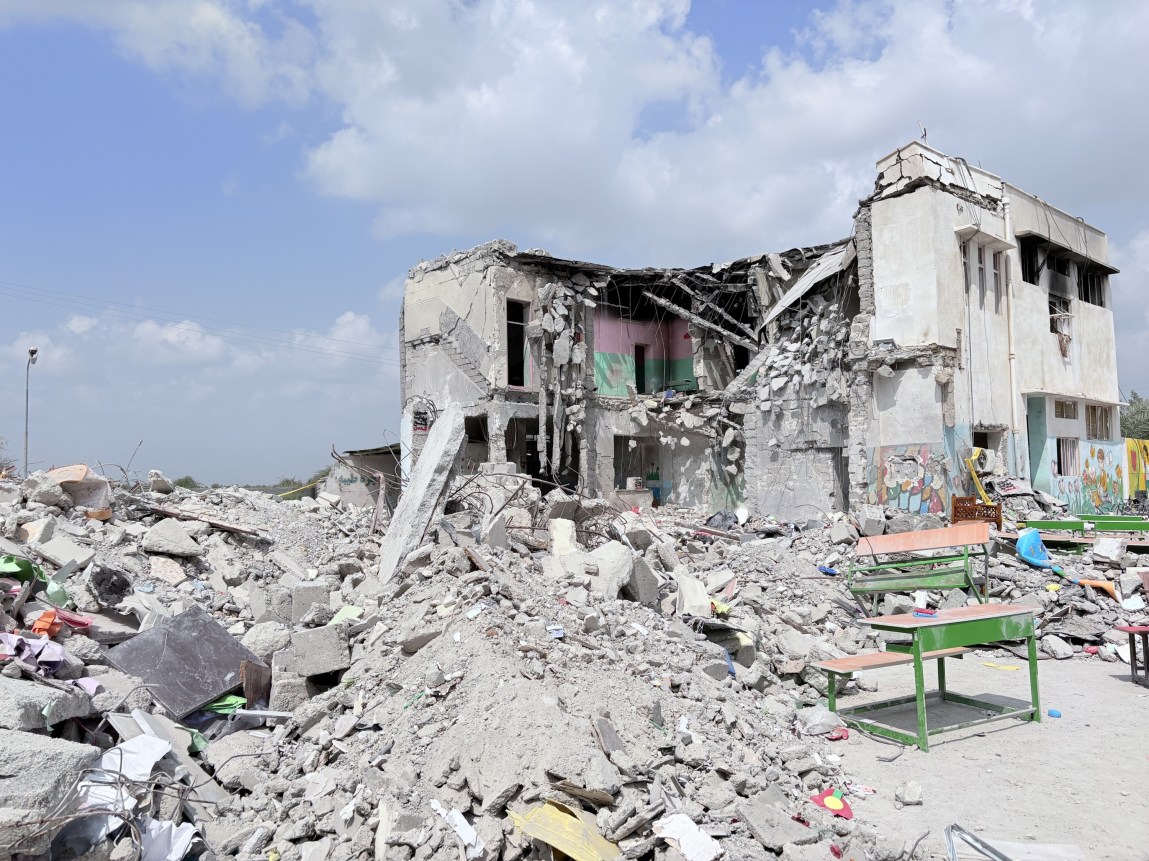
A Pentagon spokesperson mentioned the Department will respond directly to the letter’s authors when contacted by ProPublica. This issue gained international attention earlier when an alleged U.S. strike resulted in the deaths of children at a school during the U.S.-Israeli war in Iran. The Pentagon is investigating this incident.
Rise in Casualty Reports
Conflict monitoring groups have documented an increase in civilian casualties, particularly in Somalia and Yemen, following increased U.S. strikes. Interviews by ProPublica with security officials revealed the abandonment of civilian protections aligns with a military shift towards more aggression and reduced accountability.
The harm mitigation leadership, part of the Civilian Protection Center of Excellence mandated by Congress in 2022, was designed to reduce civilian casualties, a persistent issue in the post-9/11 conflicts. The initiative promoted a culture prioritizing civilian security according to U.S. law and international warfare rules.
Despite support from senior military leaders, the program’s momentum ended under Hegseth’s focus on “lethality.” In 2025, as U.S. operations reportedly caused civilian deaths in Yemen, the Defense Department discontinued the CHMR mission, deeming it incompatible with Hegseth’s strategy. The civilian protection mission was significantly reduced by the time of the Iranian school strike.
Consequences of Civilian Casualties
Militant groups exploit civilian casualties to recruit supporters, an effect termed “insurgent math” by retired Gen. Stanley McChrystal. He noted that for every civilian death, numerous enemies are potentially created. The Democratic lawmakers argued that these policies do not ensure safety for American civilians or service members.
The lawmakers’ letter concluded with 20 questions for Hegseth, including inquiries about CHMR staffing and funding. Current and former personnel believed a more robust prevention team might have reduced civilian casualties, providing investigations after civilian deaths.
Soon after the strike on the Iranian school, investigative outlets revealed video indicating a U.S.-made Tomahawk missile’s involvement. The Washington Post reported the school might have been mistaken for a military site. The Trump administration has not yet clarified the event.
Advocacy for Civilian Protection
Annie Shiel of the Center for Civilians in Conflict highlighted the need for congressional backing in maintaining CHMR. She stated that the department is breaching U.S. laws and policies developed from past wars with bipartisan endorsement.
The department is violating U.S. laws and policies that have grown out of hard-learned lessons from past wars and garnered bipartisan support across multiple administrations. — Shiel
The plan for civilian protection followed cycles where catastrophic incidents prompted reviews but diminished until the next tragedy. During the chaotic U.S. military withdrawal from Afghanistan, a missile strike in Kabul killed an aid worker and his family. Then-Defense Secretary Lloyd Austin apologized and promised to learn from the mistake.
This incident, along with a New York Times investigation, motivated the adoption of the civilian harm mitigation plan in 2022. Advocates saw it as a way to break the cycle of sporadic attention, establishing civilian protection as a continuous mission. Currently, the mission faces uncertainty, with oversight reportedly hindered.
Rep. Adam Smith confronted Army Secretary Daniel Driscoll about these challenges. He questioned the legality of the Department’s actions against civilian harm policies and demanded solutions to rectify the situation.
Critics, including Republicans and veteran commanders, voice concern about Hegseth’s efforts to transform the Defense Department, renamed as the Department of War by the Trump administration. His dismissal of high-ranking officers has spurred bipartisan critique, with accusations of potential biases influencing his decisions. Hegseth criticized military officers discussing diversity, refusing specifics about the dismissals out of respect for the officers.
We became ‘the woke department.’ … We’re done with that shit. — Hegseth
Hegseth expressed the difficulty of changing the Department’s culture under his “lethality” perspective. His decision to dismiss Gen. Chris Donahue, a respected special forces commander, underlined controversy over these policies and shifts in military approach.
Leave a Reply