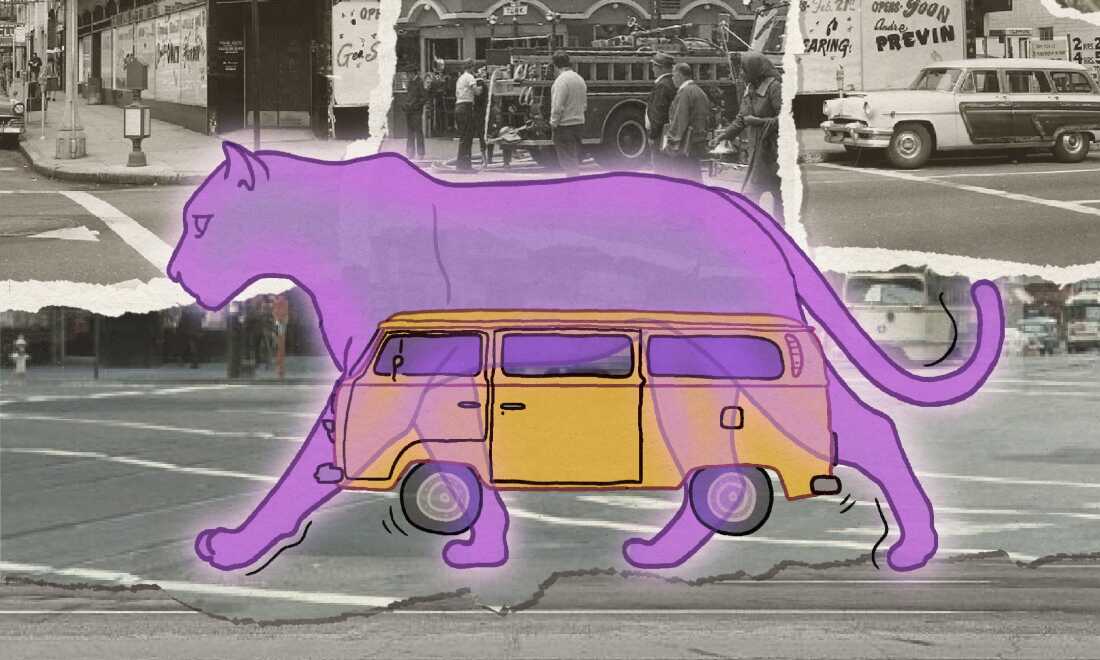
The Beginnings of Vigilante Justice
Ray Broshears, a gay preacher based in San Francisco, initiated a street vigilante group in 1973 aiming to safeguard the LGBTQ+ community in the Tenderloin neighborhood. He openly expressed his intent to intimidate those who were targeting them, stating he wanted to scare “all those young punks who have been beating up my people.” Despite his goal, Broshears was already recognized as a controversial figure, not solely due to his militant approach.
Impact and Legacy
The group, known as the Lavender Panthers, exemplified the ways in which the queer community addressed the gaps in care and protection present in a prejudiced society. This initiative was a significant precursor to similar mutual aid movements that would follow in the ensuing decades.
Documentation and Publicity
Despite its historical importance, the Lavender Panthers remain relatively obscure. A 2018 Newsweek article, entitled “The Most Dangerous Gay Man in America Fought Violence With Violence,” noted the absence of separate Wikipedia pages for the Lavender Panthers and Raymond Broshears at the time, which have been created since. The rarity of such documentation points to the general lack of recorded history for queer mutual aid and defense organizations from that era.
Reverend Ray’s Influence
Reverend Ray actively sought publicity by contributing articles to local newspapers and orchestrating dramatic publicity stunts. One notable example was his staging of a simulated crucifixion outside a company accused of anti-gay discrimination. These actions, although unpopular with mainstream gay rights activists of the time, contributed to preserving information about the Lavender Panthers in historical archives.
Other defense organizations specific to lesbians, transgender people, and people of color frequently operated discreetly to avoid perilous attention, resulting in many becoming lost to historical records.
For further understanding of the Lavender Panthers, readers are encouraged to refer to Sonja Anderson’s article “The Controversial Gay Priest Who Brought Vigilante Justice to San Francisco’s Streets” in Smithsonian Magazine, and Eric Markowitz’s “The Most Dangerous Gay Man in America Fought Violence With Violence” in Newsweek.
Abi Inman contributes as a comic artist and animator to the Visuals team at NPR. More of her work can be found on her Instagram, @abiinman, or at abiinman.com.
Leave a Reply