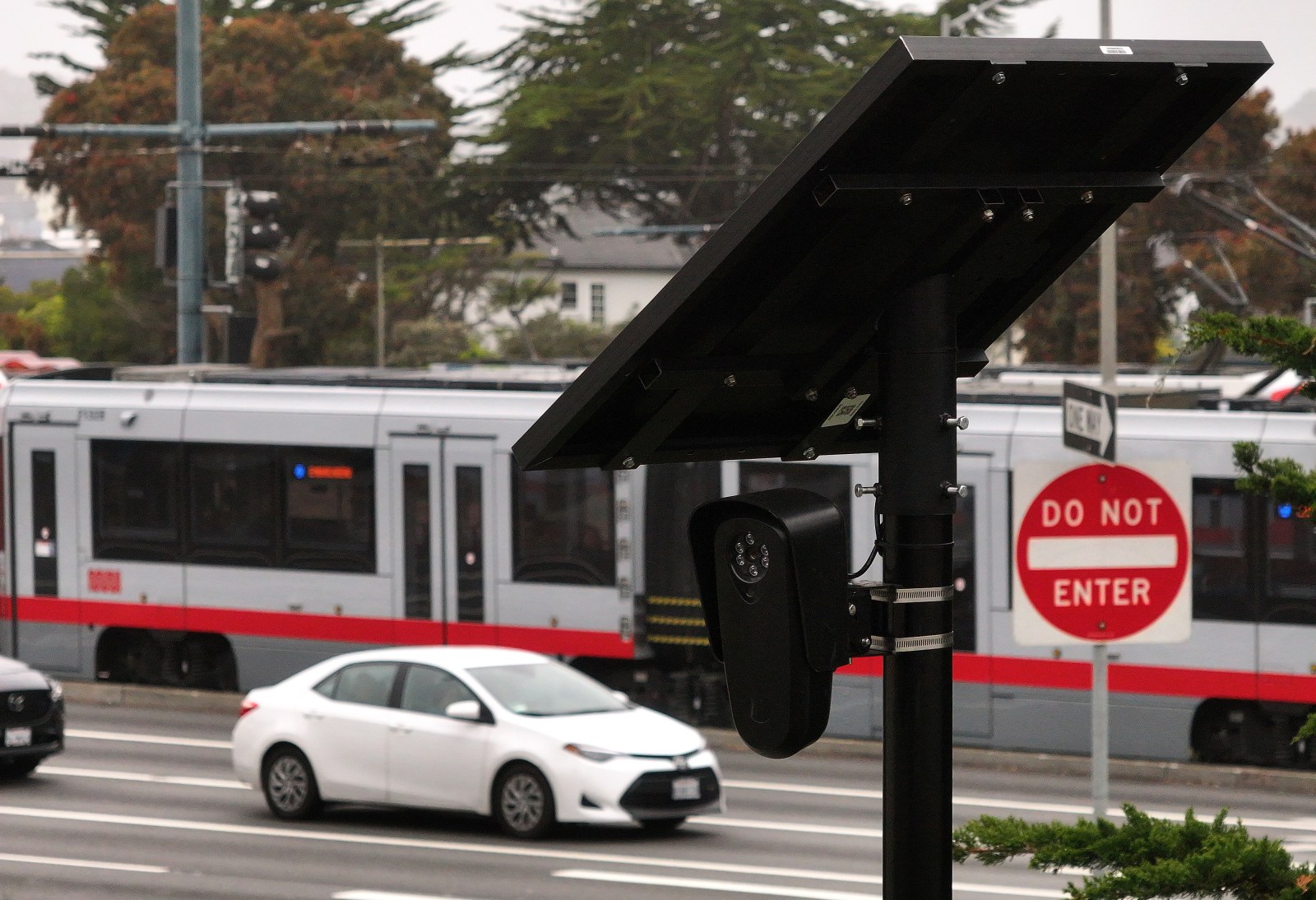
Representative Thomas Massie, a Kentucky Republican, announced plans to introduce legislation aimed at cutting federal funding for municipalities and police departments that use automatic license plate readers (ALPR) and other surveillance systems. Known for his libertarian views on privacy, Massie shared the news on social media.
Details of the Proposal
The proposed bill would target systems such as those manufactured by Flock Safety, an Atlanta-based ALPR provider. Flock Safety collaborates with over 5,000 law enforcement agencies in more than 6,000 communities across the country. The company’s cameras capture vehicle images, recording details like plate numbers and time of sighting.
Response from Flock Safety
A spokesperson from Flock Safety expressed concern, indicating the bill could significantly impact public safety. The technology is credited with supporting over a million public safety investigations in 2025, contributing to 20% of solved cases, and aiding in finding over 10,000 missing persons. The spokesperson advocated for legislative safeguards to protect privacy while allowing law enforcement to maintain public safety.
National Debate on Surveillance
Massie’s initiative highlights an ongoing debate around ALPR networks. Proponents argue these tools are essential for crime-solving and public safety alerts. Conversely, critics warn about privacy invasion and the potential misuse of massive data collections monitoring innocent citizens.
Past Legislative Efforts
This proposal follows previous attempts by Massie, like the Surveillance Accountability Act, which sought to mandate warrants for specific surveillance activities. It also aimed to ban warrantless use of facial recognition and vehicle-tracking technologies, emphasizing Fourth Amendment protections.
Challenges Ahead
Massie’s bill enters a contentious legislative landscape. While there is some bipartisan support for surveillance skepticism, many police organizations and lawmakers back funding crime-fighting tools. Local resistance has emerged in areas like Flagstaff, Cambridge, and Santa Cruz, leading to contract terminations due to privacy concerns.
Leave a Reply