Michigan’s Pivotal Primary
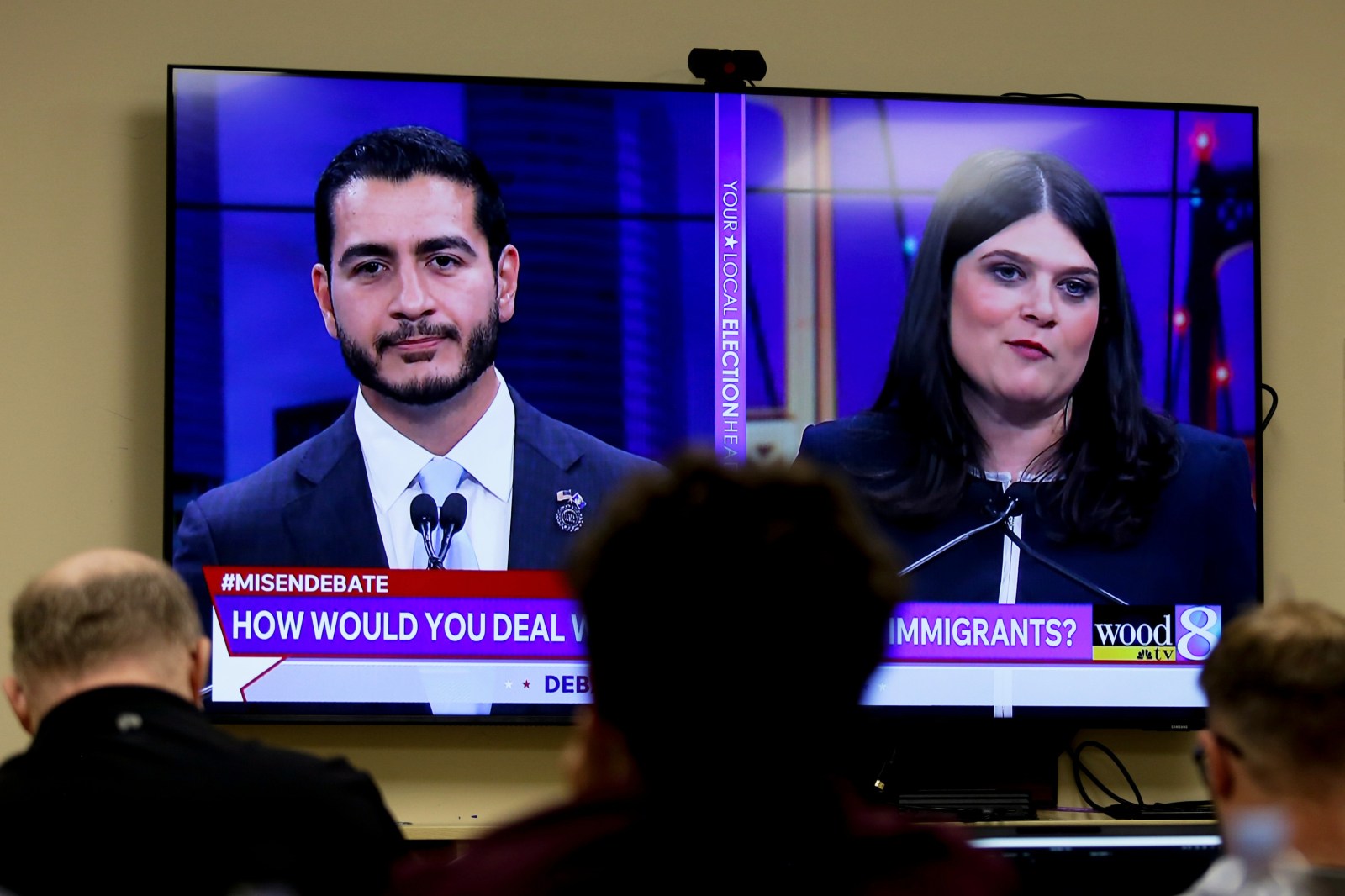
Michigan Democrats are preparing for a significant primary election, with attention focused not only on who will replace retiring Senator Gary Peters, but also on the party’s strategic direction. Former public health official Abdul El-Sayed and Representative Haley Stevens are vying for the Democratic nomination in a race that mirrors broader ideological conflicts within the party.
Stevens, endorsed by Governor Gretchen Whitmer, is the preferred candidate of the Democratic establishment. Her campaign has received substantial financial backing from the American Israel Public Affairs Committee (AIPAC). In contrast, El-Sayed champions progressive values and has gathered support from notable figures like Senator Bernie Sanders, emphasizing grassroots mobilization as a counter to institutional power.
Implications Beyond Michigan
The outcome of this primary could have extensive implications. If El-Sayed triumphs in both the primary and the general election against Republican Mike Rogers, progressives might view this as evidence that their platform can succeed in competitive states. Conversely, if he wins the nomination but loses in November, moderates might argue that progressive candidates face challenges in swing states.
Similarly, a Stevens victory would affirm establishment strategies, suggesting that she represents the best chance for Democrats to maintain the Senate seat.
Financial Influence and AIPAC’s Role
The race has attracted attention due to unprecedented levels of outside spending. United Democracy Project, AIPAC’s affiliated super PAC, has invested approximately $30 million in support of Stevens and opposition to El-Sayed. Progressives contend that this represents a critical struggle over the influence of external funding in Democratic primaries.
Joseph Geevarghese of Our Revolution emphasized that a Stevens defeat would signal voters’ preference for genuine grassroots organizing over financial influence. He noted voters are drawn to candidates focused on pressing issues like housing and health care.
Stevens’ Campaign Perspective
Stevens’ campaign dismisses the claim that external spending is the main factor in her campaign’s strength. Joetta Appiah, her spokeswoman, asserts Stevens is the strongest candidate against Rogers, based on consistent polling and Republican preferences to run against El-Sayed.
Progressive vs. Establishment Dynamics
Doug Gordon, a Democratic strategist, stated that an El-Sayed victory would challenge AIPAC and highlight potential brand damage within Democratic politics. The late primary calendar poses a challenge for uniting Democrats for the general election against Rogers, offering limited time for consolidation.
Jim Kessler from Third Way pointed out a demographic reality specific to Michigan, noting its significant Arab American population and smaller Jewish community would influence discussions around Israel and Democratic politics.
Endorsements and Racial Dynamics
Michigan’s Democratic establishment has largely rallied behind Stevens, with Whitmer’s endorsement bringing back memories of her previous primary victory over El-Sayed in 2018.
Both campaigns are concentrating on Black voters, comprising about 20% of the primary electorate. Historically, Black voters have supported moderated candidates, like Hillary Clinton over Sanders in 2016. Current polling shows Stevens with an edge among older Black voters, while El-Sayed resonates more with young and educated voters across racial lines.
El-Sayed’s involvement in the 2024 “uncommitted” movement has raised skepticism among some voters, particularly over his stance against the Biden administration’s policies. Matt Bennett of Third Way criticized El-Sayed’s approach, predicting Stevens as the stronger contender against Rogers in November.
National Ambitions and Local Focus
As the primary tightens, Stevens’ campaign has intensified critiques of El-Sayed’s focus on national aspirations. These criticisms stem from leaked audio of El-Sayed discussing broader political ambitions, potentially challenging the current Democratic establishment.
El-Sayed expressed metaphorical plans to transcend his Senate campaign into national reform, while Stevens maintains her focus on Michigan’s local issues.
Polling Shifts and Predictions
Recent surveys show El-Sayed gaining traction, marking a shift from previous tie scenarios to a notable lead. Polling data from SoCal Strategies and Emerson College indicate his growing edge over Stevens.
Prediction markets reflect changing expectations, with platforms like Kalshi and Polymarket assigning El-Sayed high chances of securing the nomination.
Immediate Challenges and Future Outlook
The winner of Tuesday’s election will face further tests. Michigan’s status as a battleground state is evident, with past contests showcasing tight margins. Trump’s narrow victories and losses in the state highlight the competitive landscape.
Economist Whitt Kilburn notes Michigan’s diverse electorate reshaped by factors such as education and ideology complicate predictions. The dynamics of the November landscape present an opportunity for Democratic strategies amid lessened Trump voter turnout.
General election surveys suggest a tight race, with Stevens and El-Sayed showing slight leads over Rogers. Republicans anticipate the Michigan Senate race as one of the most feasible opportunities to strengthen their position.
Ultimately, Tuesday’s primary will clarify Democrats’ tactical choice for defending the Senate seat, while discussions on the future direction of the party between establishment and progressive forces will persist beyond the votes.
Leave a Reply