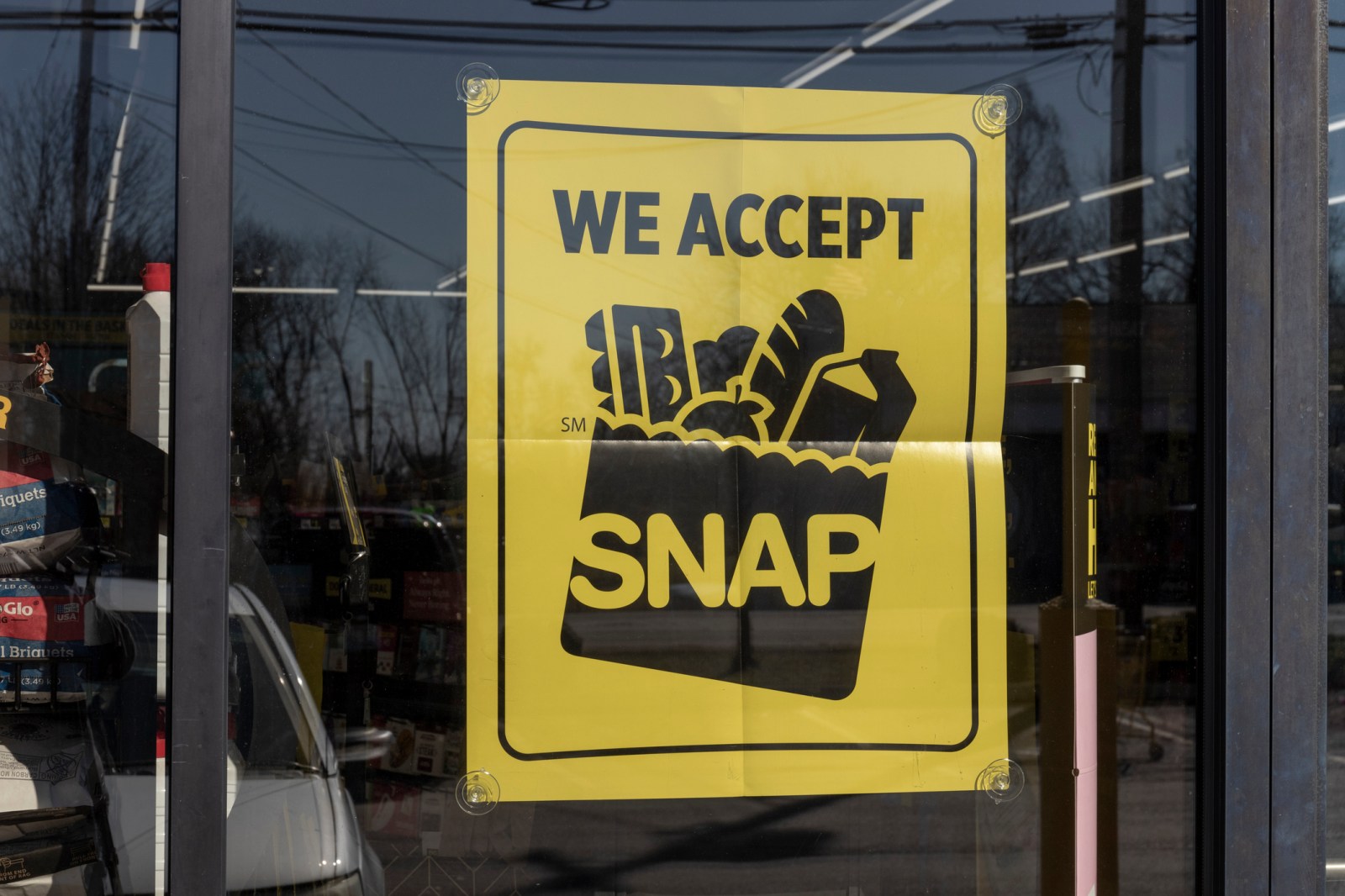
Montana has joined a growing list of states seeking federal permission to restrict certain food purchases under the Supplemental Nutrition Assistance Program (SNAP). The state is moving to ban purchases of soft drinks, candy, and other junk food from the program.
The U.S. Department of Agriculture (USDA) Secretary Brooke L. Rollins collaborated with Montana’s Republican Governor Greg Gianforte. They submitted a waiver request to prohibit buying soft drinks and candy with SNAP benefits.
Twenty-two other states have already modified the administration of their SNAP programs through similar approvals. These efforts are part of the national agenda “Make America Healthy Again,” supported by Health Secretary Robert F. Kennedy Jr.
Current Purchases Allowed by SNAP
SNAP, often known as food stamps, offers monthly grocery benefits to about 38 million low-income individuals in the U.S. Beneficiaries can purchase various grocery products, including fresh produce, meat, dairy, bread, cereal, snacks, and non-alcoholic beverages. They can also buy seeds and plants to grow food at home.
However, SNAP benefits exclude items like alcohol, tobacco, vitamins, supplements, hot meals intended for immediate consumption, and non-food items such as pet products and cleaning supplies.
The new state-level waivers plan to extend this list by also banning products such as soda, desserts, and candy. Each state defines and enforces these restrictions individually.
States With SNAP Soda and Candy Restrictions
State-level waivers are re-defining eligible SNAP purchases, focusing on sugary drinks and confectioneries. Montana joins several other states that have been approved for similar restrictions, including:
- Arkansas
- Colorado
- Florida
- Hawaii
- Idaho
- Indiana
- Iowa
- Kansas
- Louisiana
- Missouri
- Nebraska
- Nevada
- North Dakota
- Ohio
- Oklahoma
- South Carolina
- Tennessee
- Texas
- Utah
- Virginia
- West Virginia
- Wyoming
These policies are in effect in some states, such as Florida, Idaho, Indiana, Iowa, Louisiana, Nebraska, Oklahoma, Texas, and Utah.
Argument for SNAP Restrictions
Proponents believe taxpayers should not fund unhealthy food purchases and that restrictions could promote healthier eating. Kennedy supports limiting sugary items under SNAP, stating that while people should choose what to buy, taxpayers should not cover these costs. He emphasized that taxpayers should not fund foods that contribute to health issues like diabetes among children.
Criticism and Challenges
Critics argue the changes target low-income Americans and complicate grocery shopping. Gina Plata-Nino from the Food Research and Action Center views it as another way to cut benefits and stigmatize beneficiaries. Several SNAP recipients have sued the USDA, citing confusion at checkouts and difficulties in purchasing food.
Marc Craig from Iowa, a plaintiff, shares his frustration with determining product eligibility, often facing rejection at checkout.
The USDA has declined to comment on ongoing legal challenges.
Retailer Concerns
Retailers and advocacy groups warn that varying state rules can lead to operational issues. The Food Research & Action Center says differing systems risk confusion, retailer withdrawal, and reduced food access, particularly affecting smaller retailers with fewer resources.
As food prices rise nationwide, these restrictions add pressure on households already struggling to afford groceries. If you are a SNAP recipient affected by a junk food waiver in your state, share your experience by emailing [email protected].
Leave a Reply