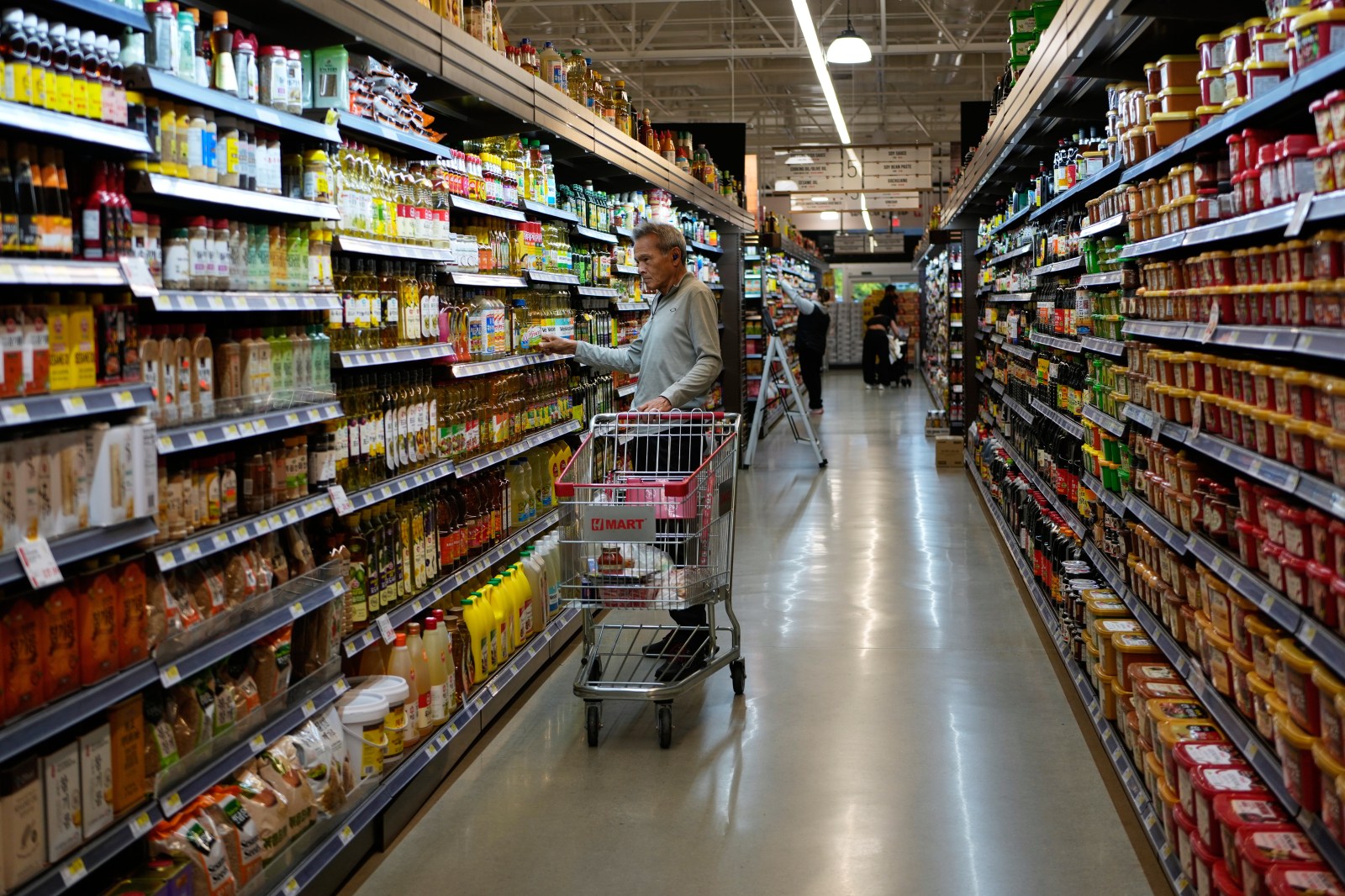
The cost of food in the U.S. is facing a sharp increase, closely linked to rising oil prices and disruptions caused by ongoing conflicts. This pressure is felt by both companies and farmers who are integral in stocking the nation’s shelves. According to economist Justin Wolfers, oil is a significant factor, followed by food. Since the conflict began on February 28, oil prices have surged over 50%, leading to gas prices exceeding $4.50 nationwide for the first time since 2022.
Farmers are now struggling with increased fertilizer costs and rising fuel expenses. Tariffs and a shrinking workforce exacerbate these challenges. Experts warn that a major price shock could soon affect grocery prices rather than fuel costs.
Food Prices: Current Trends
Even before the conflict began, persistent inflation affecting various food staples has strained U.S. household budgets. The latest Consumer Price Index from the Bureau of Labor Statistics notes that annual headline inflation rose from 3.3% in March to 3.8% in April, marking the highest level seen across Donald Trump’s terms. The energy index increased by 17.9% since April 2025, while food prices rose by 3.2%.
Within the food category, grocery costs saw a 0.7% increase in April, the largest one-month rise since early 2022, with an annualized growth of 2.9%. Shipping disruptions in the Strait of Hormuz, which remains mostly closed despite ongoing negotiations, may still impact grocery prices more severely.
Impact of the Conflict on Grocery Prices
Roughly a third of global seaborne fertilizer trade passes through the Hormuz Strait. This disruption has led to a 20% increase in U.S. fertilizer prices since the conflict began, according to the Green Markets Weekly North America Fertilizer Price Index. The World Bank expects global fertilizer prices to climb by 31% by 2026, largely due to a 60% rise in urea prices. These affordability pressures are already affecting farmers’ incomes and threatening future crop yields.
While poorer nations are likely to be hardest hit, U.S. farmers express their concerns, especially during the critical planting season. An April survey conducted by the American Farm Bureau Federation revealed that 70% of farmers cannot afford the necessary fertilizer. Additionally, farm diesel costs have soared by 46% since the war began.
The Department of Agriculture has adjusted its food price forecasts for various food groups in 2026. However, some experts believe the full impact of the conflict on food prices is yet to be felt. Chris Barrett, professor of economics and agriculture at Cornell University, predicts significant effects starting in late summer, with food price inflation potentially reaching 11% by the end of 2026.
Agricultural economists Ken Foster and Bernhard Dalheimer of Purdue University highlight that pre-conflict forces were already driving food prices upward before the war. They note that the price shock from the war will affect more than just fertilizer costs.
“Diesel moves every truck, petrochemicals make every package, and electricity powers every refrigeration chain,” they say.
Energy cost increases can impact all food categories simultaneously, unlike a drought where consumers can switch to less expensive alternatives. Foster and Dalheimer expect that while the price impacts will be slow to arrive, they will also recede slowly.
They emphasize that food affordability, especially for lower-income households, is at significant risk. This risk will grow as accumulated cost pressures from the supply chain reach retail prices in the coming months.
Looking Ahead
There are few signs that the conflict is nearing resolution. Both sides remain skeptical of each other’s negotiating demands. On a recent Wednesday, President Trump stated he was not in a hurry to reach an agreement with Tehran, though he is open to a limited deal focusing on reopening the Strait of Hormuz.
Foster and Dalheimer believe the impact of the conflict on food prices depends largely on the duration of commercial shipping restrictions in the Hormuz Strait.
Leave a Reply