As 2026 began, I hoped the year would be a new beginning. At 21, I had already endured significant grief and sought optimism for the future. Yet, 2026 unfolded unpredictably.
In January, during a routine doctor’s visit, my face, neck, and jaw were assessed. A small lump was discovered in my neck. Initially, my concern was minimal, given its size.
The doctor queried about recent illnesses, suggesting the lump might stem from an infection. With flu season ongoing, it seemed plausible. If unchanged after six weeks, a follow-up was advised. It seemed minor at first.
Weeks passed and the lump persisted. More alarming, its size increased. By mid-March, additional small lumps appeared. My chronic sinusitis seemed like a possible cause.
The lumps persisted, and by April, seven varying lumps were in my neck. Accompanying symptoms emerged, including fatigue, itchy skin, and night sweats. Unintentional weight loss heightened my concern.
Recognizing the problem’s severity, I insisted my doctor take action at my third appointment. I was referred to a head and neck clinic in April for assessment, scheduling an ultrasound and biopsy soon after.
Nervous about the biopsy, I reassured myself everything would be fine. Results awaited, but the growing lumps forced me to prepare mentally for bad news.
Concerningly, a notification mentioning ‘Oxford lymphoma biopsy’ appeared on my phone, initially dismissed as unimportant. Unbeknownst to me, results were sent for further analysis in Oxford.
The following week brought alarming messages: missed hospital calls and an emergency appointment scheduled, inducing panic. My buried fears surfaced instantly.
The hospital appointment revealed chilling news: the biopsy confirmed lymphoma. In shock, disbelief defined my reaction.
At 21, comprehension of the diagnosis was difficult. A laughter response concealed my shock, while hospital corridors led me to the hematology department alongside my mom.
Navigating the appointments, humor was my coping mechanism. I delayed tears until certain poignant information—like potential hair loss and vacation restrictions—colonized my reality.
Stage two Hodgkin lymphoma was my diagnosis. Early post-diagnosis weeks blurred, overshadowed by shock, still challenging to grasp.
The treatment plan included six chemotherapy sessions, targeting cancer. June brought rapid hair loss, prompting a preemptive head shave.
A July PET scan displayed promising news: remission. Active cancer no longer appeared, prompting chemotherapy reduction and nearing the end of treatment.
Though overall health remains manageable, the reality of recent events feels surreal. Grief and cancer confluence is burdensome, concluding that perhaps my streak of misfortune has ended, allowing recovery to begin.
A crucial reminder for others: trust instincts about body health. Investigate anomalies like sudden lumps.
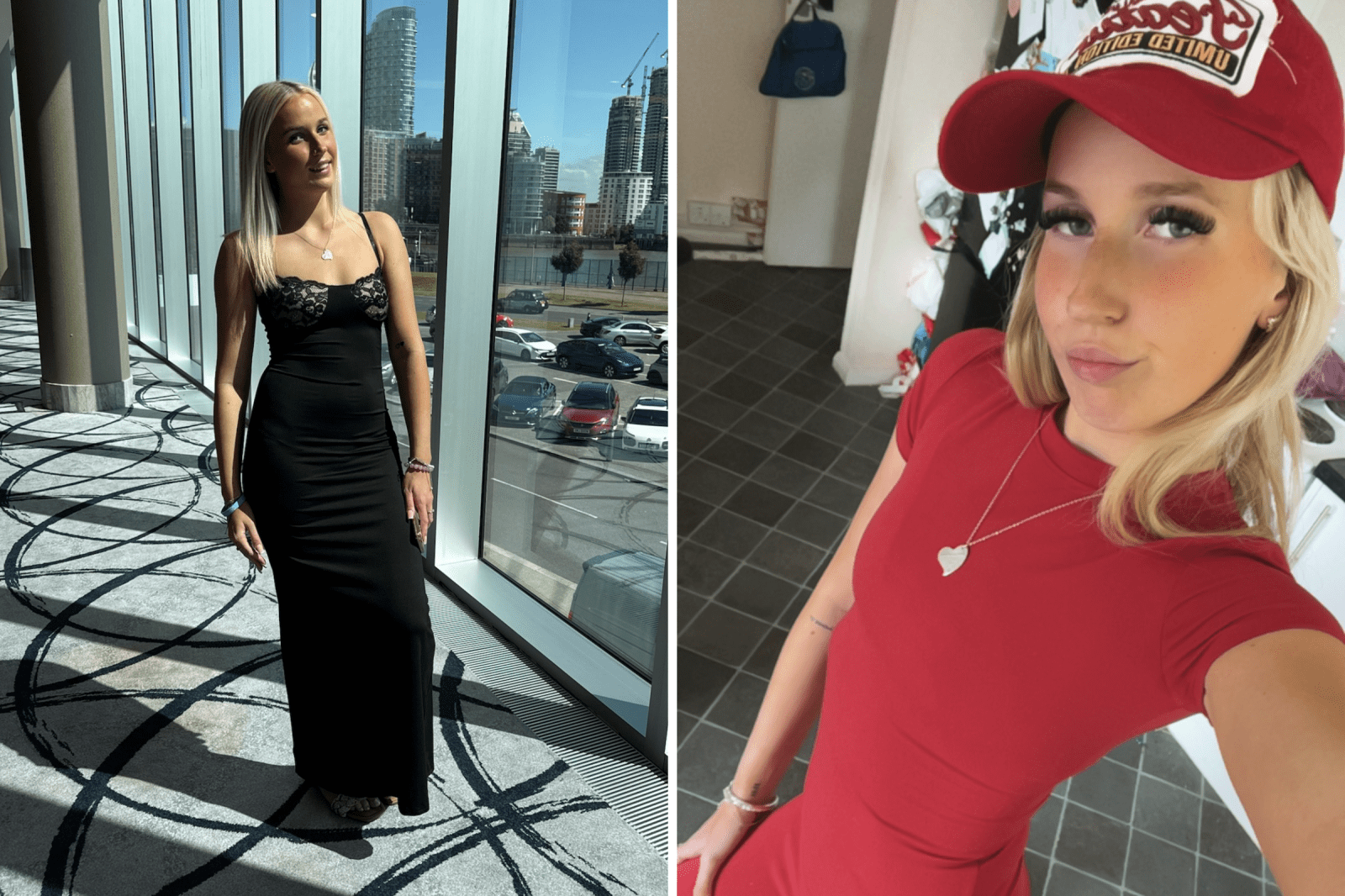
Renee Coakes, 22, from the U.K., utilizes social media to raise Hodgkin lymphoma awareness after her unforeseen diagnosis.
Newsweek editors involved in this story: Charlotte Nisbet and Emma Lee-Sang.
Leave a Reply