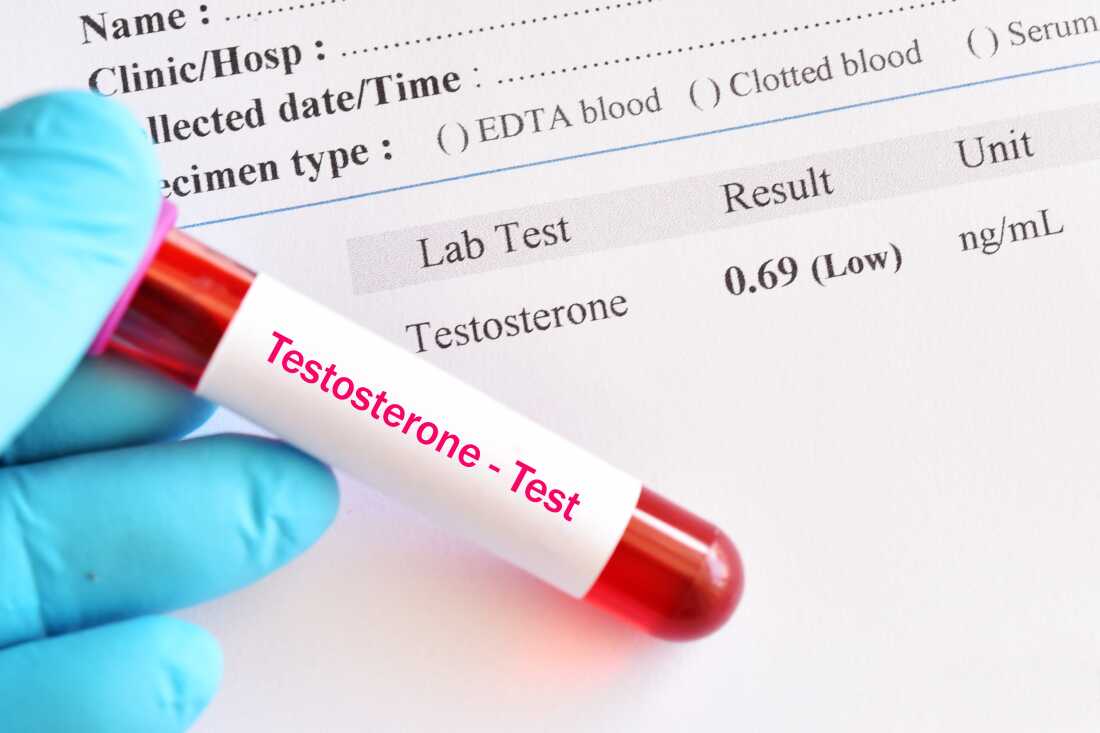
The military aims to start screening service members for low testosterone. This, in turn, has led to a surge of claims about testosterone therapy on social media. Dr. Jamin Brahmbhatt, a urologist at Orlando Health in Florida, once thought he had low testosterone, but tests showed his levels were normal. He realized that his sleep and stress were the real issues.
Brahmbhatt deals with cases of low testosterone daily. Social media buzzes with content about testosterone, from concerns about low levels to enhancement methods. Influential figures like Joe Rogan and Robert F. Kennedy Jr. openly discuss their use of testosterone therapy. Online clinics have made prescriptions easily accessible.
Brahmbhatt appreciates the rising interest in men’s health and hormone replacement therapy. However, he also encounters men convinced they need testosterone without consulting a doctor or getting tested. He stresses that not all men need testosterone therapy. The process of obtaining prescriptions without thorough testing poses risks.
Understanding Low Testosterone
Testosterone, though a sex hormone, impacts various physiological functions. It’s crucial for metabolism, bone health, muscle mass, red blood cell production, and cognitive health. Experts view testosterone as a key indicator of overall health. Dr. Helen Bernie from Indiana University highlights that low testosterone levels are often a men’s health issue.
Brahmbhatt notes that symptoms of testosterone deficiency, or hypogonadism, may overlap with those of other conditions. These include depression, fatigue, low libido, weight gain, and concentration difficulties. Low testosterone may arise from rare medical conditions, pituitary disorders, or age-related decline. Bernie points out that obesity, diabetes, sleep apnea, drug use, and smoking contribute to low testosterone in younger men.
Calls for Access and Safety Concerns
Testosterone therapy has often been associated with doping and anabolic steroids in sports. Recently, it is being marketed for wellness, performance, and longevity. Bernie warns that testosterone therapy’s aim is to restore normal physiology, not enhance performance.
The Trump administration seeks to expand access to testosterone therapy. The FDA currently approves therapy for men with identifiable medical causes of low testosterone. Proposed changes might include treatment for those with low libido, irrespective of the underlying cause. Dr. Martin Miner supports these changes, comparing testosterone to treating other symptomatic conditions.
However, concerns persist about broadening access to the drug. Dr. Steven Woloshin from Dartmouth argues for a better understanding of the long-term effects of testosterone therapy. Debates about testosterone’s safety and benefits have been ongoing. Data suggested risks of heart attacks and strokes, leading to FDA warnings.
Testosterone Studies and Findings
The TRAVERSE trial in 2023 found no increased risk of cardiovascular events from testosterone therapy when managed properly. Yet, Woloshin criticizes the study’s limitations, such as the short follow-up period and controlled testosterone levels.
Some findings support benefits in men with confirmed low testosterone. A 2016 study showed testosterone gel improved libido, sexual function, energy, red blood count, and bone density in men over 65. The Endocrine Society and American Urological Association recommend therapy based on symptoms and confirmed low levels from blood tests.
Considerations and Alternatives
Research indicates that direct-to-consumer clinics might prescribe testosterone without verifying low levels. Testosterone therapy can suppress sperm production and result in infertility, a significant concern for younger men. Bernie suggests lifestyle modifications for treating low testosterone, although they aren’t always feasible.
George Bove, a 60-year-old from outside Knoxville, Tennessee, shares his positive experience with testosterone therapy. After 15 years, he finds himself more energetic and less fatigued, demonstrating the potential benefits of correctly managed treatment.
Leave a Reply