Islamabad: Pakistan’s government has introduced new guidelines for international media organizations operating within the country. These guidelines set formal reporting requirements for journalists working outside the three major cities: Islamabad, Lahore, and Karachi. Press freedom advocates and journalist groups have criticized the move, claiming it adds bureaucratic barriers that may hinder independent reporting.
The guidelines, titled “Guidelines for the Facilitation of the Foreign Media and Their Associates Working in Pakistan,” were disseminated to local and foreign media earlier this week. The Ministry of Information stated the guidelines aim to provide a “clear, transparent and accountable framework” for registration, accreditation, and facilitation of foreign media. They insist the measures are not intended to restrict media or limit press freedom.
According to the guidelines, Pakistani journalists and personnel associated with foreign media must register with the ministry’s External Publicity Wing and obtain accreditation before conducting assignments outside Islamabad, Lahore, or Karachi. The ministry clarified that these do not constitute a blanket restriction on the movement of individuals.
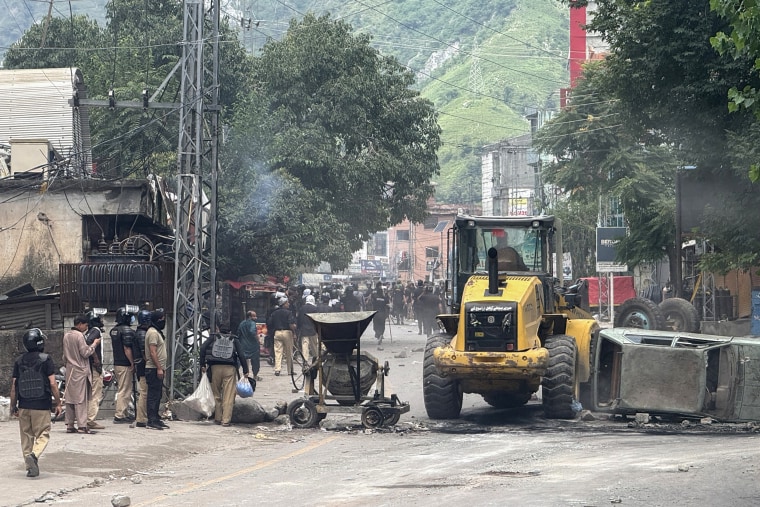
The guidelines came after a WhatsApp message to Islamabad-based foreign journalists, reminding them of the necessity for a No-Objection Certificate (NOC) when reporting outside the three cities, including in Pakistan-administered Kashmir. The travel clearance requirement has existed for years, but recent guidelines sparked controversy following foreign media coverage of clashes and voter turnout in the region.
The timing of the guidelines coincides with the third and final phase of legislative assembly elections in Pakistan-administered Kashmir, where the Pakistan Muslim League-Nawaz is expected to return to office. Regional election commission spokesperson, Raja Shakeel, reported that voter turnout was over 56% in Muzaffarabad, with voting for the remaining seats scheduled for Monday.
Media rights groups have condemned the guidelines. The Human Rights Commission of Pakistan warned that they could institutionalize bureaucratic control over journalism, deterring independent reporting. In a social media post, the commission described the guidelines as part of a pattern restricting media freedom, urging the government to withdraw the measures.
Waliullah Rahmani from the Committee to Protect Journalists expressed concern that the guidelines might allow civilian and security agencies to impose restrictions on foreign journalists. Pakistan Federal Union of Journalists has also denounced the guidelines as an attack on freedom of expression, urging their reversal to preserve Pakistan’s international standing on press freedom.
Pakistan’s media has faced censorship in recent years, and these guidelines represent another challenge for press freedom in the country.
Leave a Reply