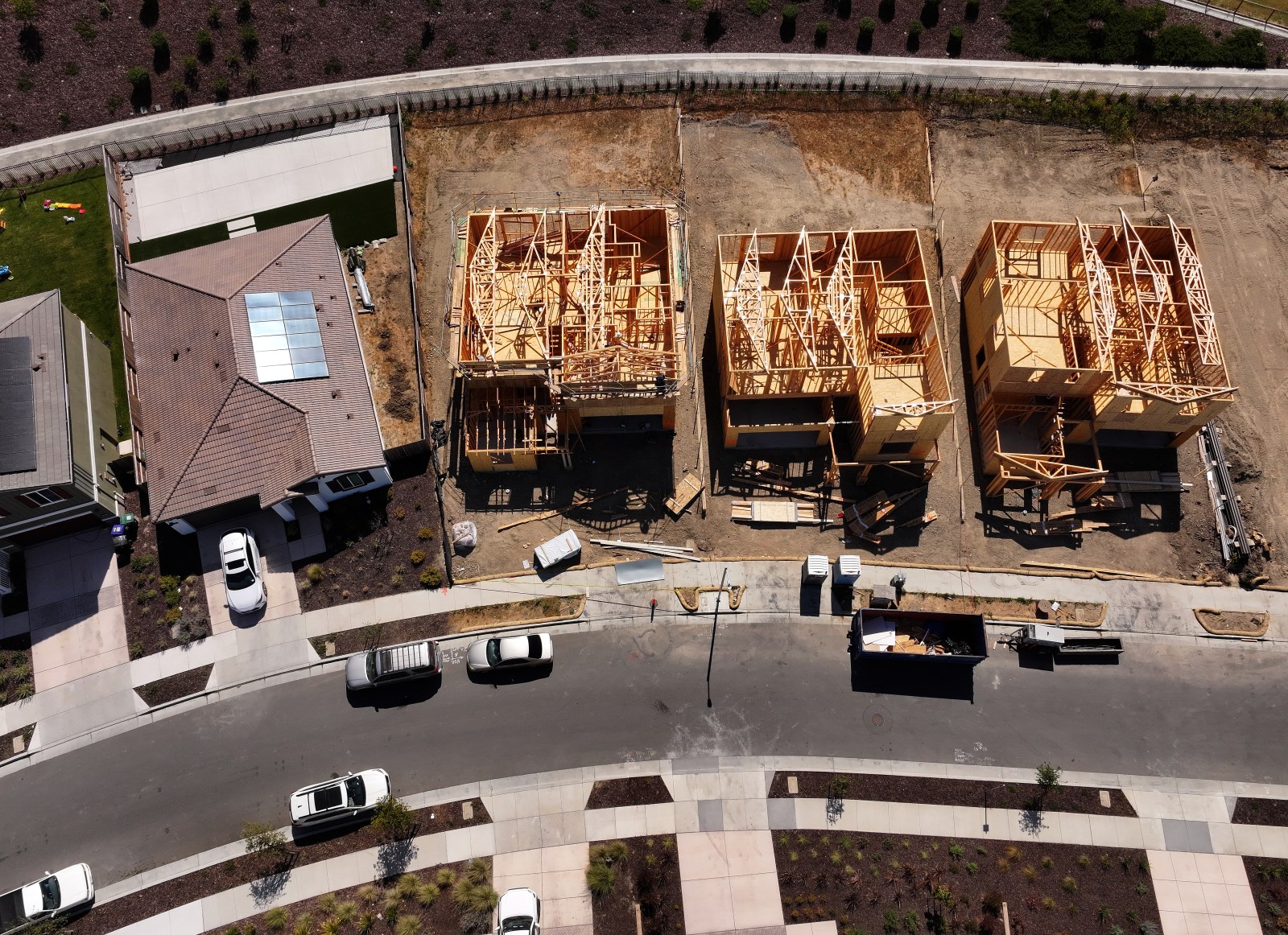
New home prices have hit their lowest since the pandemic, as low demand persists. This situation forces homebuilders to offer significant discounts to entice buyers. Recently, the median sales price for new homes dropped to $393,800 in July, compared to $403,100 in June. It also showed a decrease from $397,300 a year earlier. These figures, released by the U.S. Census Bureau and the Department of Housing and Urban Development, show the lowest price levels since July 2021 according to Realtor.com.
The fact that home prices have risen about 30% nationwide since 2019 is promising news for prospective buyers. Currently, new homes are priced similarly to the pandemic level, yet they are more affordable than existing homes, which dominate market listings. For example, the median price of existing homes reached $434,100 in July, making new homes a favorable option since buyers can avoid costly repairs typical of older properties.
Despite this advantageous circumstance, buyers seem hesitant to purchase new homes. The reduction in prices is a direct result of insufficient demand and an oversupply in the market.
Reasons Behind Buyer Hesitation
While lower prices typically boost market activity, high borrowing costs and previous home price surges have kept many buyers on the sidelines. Sales of new single-family homes reached a seasonally adjusted annual rate of 607,000 in July, down from 678,000 in June, according to recent data. This represents a 10.5% monthly decrease and a 6.3% decline from last year.
The dip in new home sales, coupled with increased inventory levels, paints a challenging picture. The Census Bureau reports the seasonally-adjusted estimate of new homes for sale at the end of July at 488,000, rising from 479,000 the previous month. However, it remains slightly below the levels from July 2025.
The main barrier to a resurgence in new home sales is the ongoing affordability issues. Rising home prices, increasing mortgage rates, and general cost of living concerns are crucial factors. Recently, Freddie Mac showed the national average mortgage rate for a 30-year fixed loan at 6.65%, contrasting the anticipated drop below 6% earlier this year.
The median price for existing homes climbed from $425,700 in July 2025 to $434,100 in July 2026. Meanwhile, existing-home sales declined 1.7% from the previous month, notably in the Midwest and South regions. The Northeast saw a slight rise, highlighting ongoing regional disparities within the housing market.
Regional Variations in New Home Sales
Similar to the existing home market, new home sales illustrate considerable regional differences. The Northeast observed its highest annual rate this year, increasing 30.3% from June and 95.5% from July 2025. Conversely, the South experienced a substantial monthly and annual drop, aligning with declines also seen in the Midwest. The West showed modest growth, indicating a varied landscape.
These regional differences are tied to varying inventory levels. In the South, high inventory following significant construction during the pandemic meets declining demand. Many homes became available amid rising borrowing costs and more stringent remote work policies, dampening their prospects.
Although additional homes offer buyers greater choice and slow price growth, they also heighten competition among builders vying for a limited qualified buyer pool.
In contrast, the Northeast continues to face a housing shortage paired with a consistent demand.
Future Outlook
The conflict in Iran introduces uncertainty regarding the U.S. economy’s trajectory and potential personal financial impacts. Combined with ongoing affordability challenges and elevated mortgage rates, these factors contribute to stagnant demand, hindering price increases seen during the pandemic.
Expectations place national home price growth at roughly 1% to 3%, according to Realtor.com. Regional disparities are likely to persist, with Northeast and Midwest markets maintaining relative strength, whereas the South, particularly the Florida and Texas markets, grapple with slower price growth or declines.
Leave a Reply