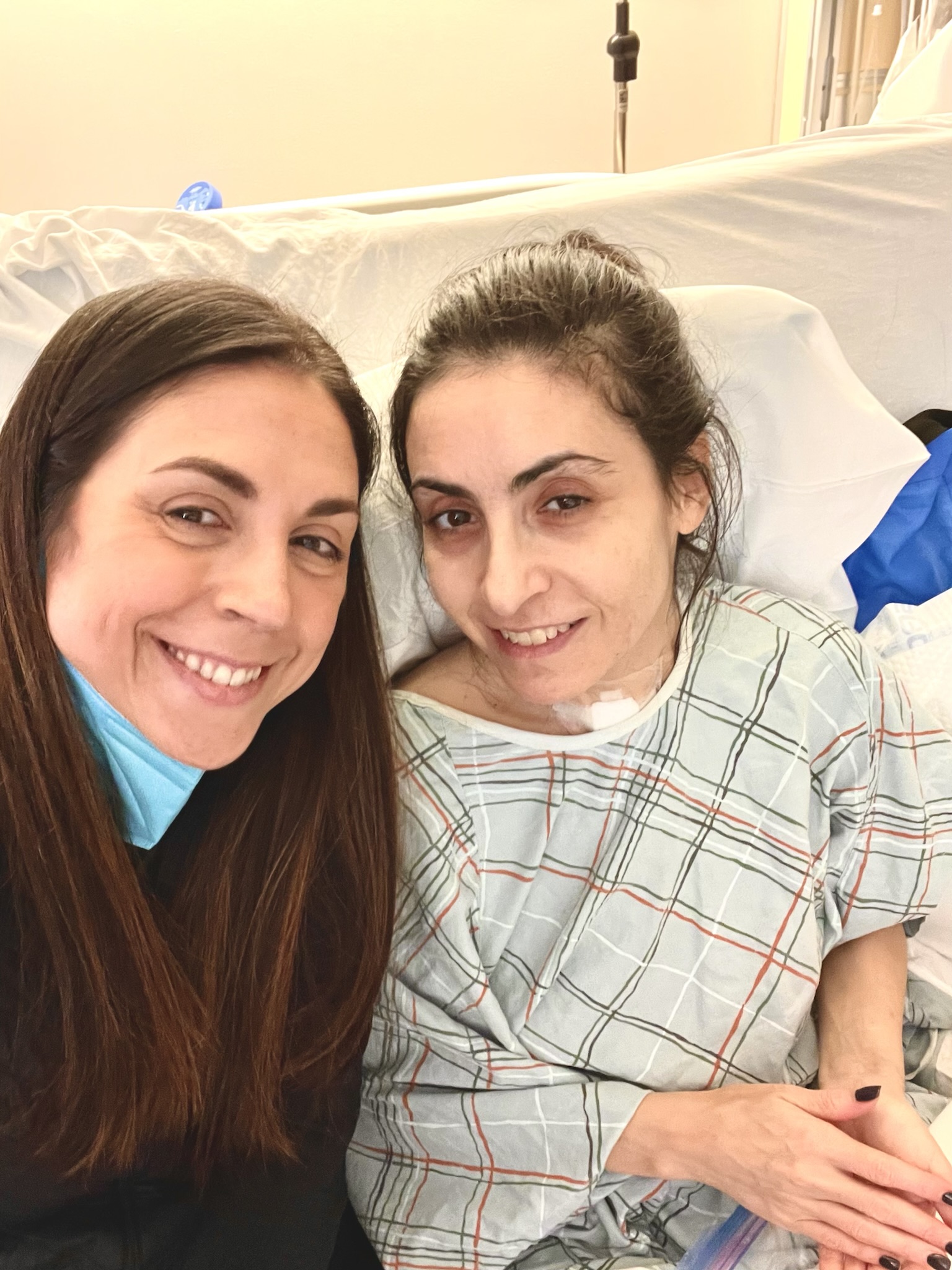
Four years ago, my life almost ended. On January 8, 2022, I awoke with the unsettling feeling of approaching death. My speech was slurred, and I felt trapped in bed. The previous day, I had visited the ER, suspecting a severe respiratory infection. I was sent home, but my condition deteriorated overnight. My disoriented state alarmed my parents, who rushed me back to the hospital. There, I was diagnosed with viral encephalitis, a rare infection of the brain that inflames it and swiftly threatens life.
I was put into a two-week coma. Upon waking, my ability to speak, breathe unassisted, eat, or walk was gone. Recovery seemed daunting.
Now, I live independently in New York City. I work full-time and run almost every day, training for my tenth marathon this fall. I often forget how extraordinary this is. Survival doesn’t simplify life; it alters your perspective.
My battle with disease began long before 2022. In 2002, at the age of 23, I was diagnosed with multiple sclerosis (MS). Numbness crept up from my feet to my legs. Doctors warned I might never walk again. I kept my diagnosis private, unwilling to let it define me. Through rehabilitation and sheer determination, I regained strength.
Yet, that did not prepare me for the events of January 2022. My assumed cold turned far more severe. After the coma, my body was unfamiliar to me. Muscle loss left me weak, and even sitting on the bed took immense effort. Taking a single aided step required 30 minutes.
I understood the fragility of life; I had transitioned from active independence to depending on others for basic tasks. Despite my fear, I resolved to fight back.
Relearning how to move my body was humbling. Small triumphs, like placing my feet on the floor, felt monumental. Physical therapists supported my slow progress with immense patience, urging me forward.
Leaving the hospital, recovery was not a miracle but a relentless grind. Therapy sessions in physical, speech, and occupational domains marked my days. Small victories signaled my progress. Three months post-discharge, I completed a run-walk 5K. It was never about the race; it was evidence of forward momentum. Standing and walking led me to regain what I feared lost.
Eight months post-crisis, I completed the New York City Marathon for the second time. Sharing this isn’t about impressing but about illustrating that recovery is not magical. It consists of repetitive, grueling work. It involves showing up for therapy, strengthening muscles against fatigue, and trusting unseen progress.
Resilience lacks glamor. It is a quiet, persistent force. Four years on, I celebrate my ‘life anniversary’ not for its perfection, but for my presence. Though I worry over work deadlines and struggle during training, I recall my past struggle in the hospital and shift my perspective.
Volunteering at Mount Sinai, I meet patients facing daunting prognoses. Some may never regain full mobility or independence, grappling with fear and uncertainty. I visit not as a miracle but as a testament to progress.
Surviving does not equate to ease; it demands a change in approach. Strength is redefined, victories are in increments, and dedication is to progress and recovery. Healing is not straightforward. I still face setbacks, with MS’s fatigue affecting my body variably. Some days demand rest, teaching that resilience includes knowing when to pause for recovery.
Running encapsulates this commitment. I began in 2019 at 40, but after encephalitis, running gained more meaning. Each mile attests to my strength. Marathons proclaim my body’s resilience, not fragility.
Having completed nine global marathons, including five Abbott World Marathon Majors, I aspire to earn my sixth star in Tokyo by March 2027. Yet, the medals are not paramount. The essence lies in overcoming the inability to step, defying predictions, re-learning fundamental skills, and making countless small decisions to persevere.
My current outlook embraces control over reaction, not circumstances. Surviving a brain infection taught me life’s volatility. Yet, imperfect persistence alters outcomes. Ironically, life-altering events can yield a better life than before.
Amy Gruenhut is a New York City-based marketing executive and marathon runner who volunteers with Mount Sinai’s neuro rehabilitation program, supporting patients on their journey toward recovery.
All views expressed in this article are the author’s own.
Do you have a personal essay you want to share with Newsweek? Send your story to [email protected].
Leave a Reply