Escalation in U.S. Military Affairs
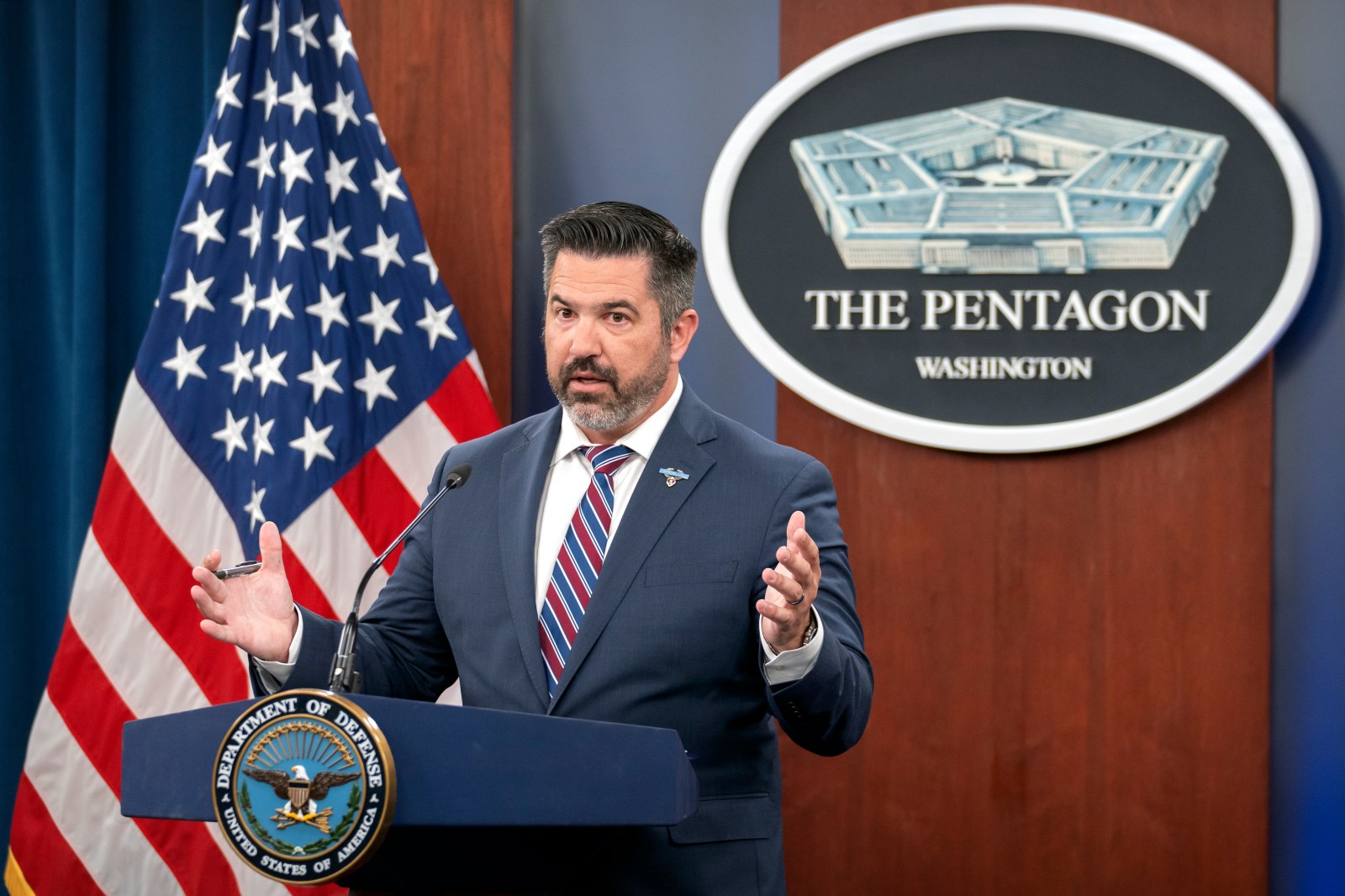
Chief Pentagon spokesman Sean Parnell has voiced strong condemnation over the release of a classified military assessment, intensifying a political debate surrounding the U.S. conflict in Iran. This dispute increases scrutiny on issues of transparency, military readiness, and the management of a six-month conflict that has stretched the U.S. military across various theaters.
Reports from The Washington Post highlight concerns from top commanders who warned Defense Secretary Pete Hegseth about the strain long-term operations in the Middle East place on the forces. Based on the Secretary of Defense Orders Book (SDOB) dated August 14, commanders from the Army, Navy, Air Force, and several four-star combatant commanders alerted that diverting resources to the war could impact defense capabilities in other regions, including the U.S. homeland.
Sean Parnell’s Reaction to the Leak
Parnell labeled the leak as a ‘crime’ and ‘betrayal’ in a statement to Newsweek, calling the reporting inaccurate and criticizing The Washington Post’s typical approach. He emphasized Secretary Hegseth’s active engagement with military branches to ensure readiness and effective response.
Parnell explained that decisions on force commitments depend on current threat assessments and strategic priorities set by the President, along with guidance from the Chairman of the Joint Chiefs of Staff and Combatant Commanders. He clarified that internal operational processes and the SDOB are not publicly discussed.
On social media, Parnell underscored that publishing classified information from the Secretary’s orders book constitutes a crime and strongly refuted the accuracy of the reports.
Legality of Publishing Classified Assessments
In response, Washington Post reporter Dan Lamothe contended that independent journalism is lawful, stressing its importance, especially during an active conflict. He argued that disseminating information about government actions funded by taxpayers is crucial.
Hegseth disclosed to senators that the war in Iran had cost an estimated $37.5 billion since February, highlighting an expenditure unknown previously. The SDOB remains classified; however, the Post based its reporting on interviews with individuals familiar with the assessment.
Legal experts assert that publishing classified content generally falls under First Amendment protection unless sensitive details that could directly threaten national security are revealed.
Details from the Assessment
According to the leaked SDOB, the ongoing Iran conflict is compromising U.S. military resources. Commands such as European, Pacific, and Southern issued non-concurrence statements, indicating concerns that resource diversion threatens their homeland defense obligations.
Navy Admiral Daryl Caudle lamented the unsustainability of current support levels due to the conflict’s indefinite duration. He pointed out a decline in the readiness of the destroyer fleet and maintenance issues that could hinder responses to other crises.
Army and Air Force leadership supported deployment extensions but emphasized potential risks, like extending mobilization of the 82nd Airborne Division and ongoing strains on Patriot missile units.
Trump’s Response to Missile Stockpile Concerns
President Donald Trump has responded to allegations of information leaks about munitions supplies by threatening imprisonment for those responsible. Amid reports suggesting depletion of U.S. missile stocks, the administration has denied any significant impact from the Iran war.
Despite increased military spending, replenishing air defense and high-value weapons takes years due to long production lead times. Reports note significant use of advanced missiles, raising concerns over military preparedness against major powers.
The U.S. military, along with allies, has expended thousands of munitions since late February, leading to stockpile reduction. Congress is considering further funding, including an $88 billion supplemental and a Pentagon budget over $200 billion for the Iran conflict.
Future developments depend on transparency demands by lawmakers and the possibility of further leaks impacting conflict management.
Leave a Reply