On Tuesday, primary elections took place in Nevada, South Carolina, and North Dakota, yet much attention centered on the U.S. Senate race in Maine. Republican incumbent Senator Susan Collins and Democratic challenger Graham Platner experienced little opposition in their party’s nominations. Tuesday signified a pivotal moment for Platner, a veteran and oyster farmer who aims to restore his credibility amid campaign controversies.
Platner’s Struggle for Support
Graham Platner secured the Maine Democratic primary for the U.S. Senate, mounting a significant challenge against Susan Collins. Platner’s reputation requires repair work, a fact he acknowledges publicly. Speaking to supporters, Platner emphasized his commitment to earning trust and learning from past mistakes, acknowledging prior indiscretions involving explicit messages during past relationships.
Despite controversies, Platner’s campaign garners support. His mother expressed pride, and his wife showed public support during a crucial moment. Maine Governor Janet Mills suspended her campaign in April, recognizing Platner’s strong position, though he faces challenges within his party as he battles Collins, who seeks her sixth term.
Changing Standards in Democratic Politics
Platner’s victory and the Democratic response indicate evolving standards within the party. While Democrats previously upheld zero-tolerance toward personal misconduct, priorities have shifted toward electability in their drive to regain power in Washington. Jim Messina praised Platner’s speech, signaling the party’s transformation.
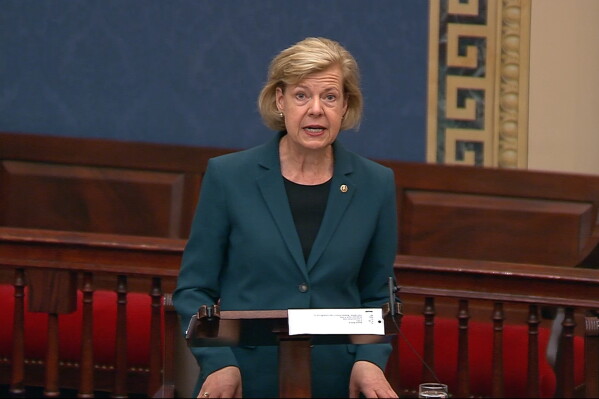
Various Democratic leaders support Platner. Minnesota Senator Tina Smith endorsed him, drawing from her experience succeeding Al Franken, who resigned amid #MeToo allegations. Senators Bernie Sanders and Elizabeth Warren stand by Platner, yet some, like Senator John Fetterman, hesitated, favoring Governor Mills. Representative Josh Gottheimer even suggested Platner exit the race.
Trump’s Influence Falters in South Carolina
President Donald Trump’s influence was tested again. In South Carolina, Trump-endorsed Lieutenant Governor Pamela Evette failed to secure a majority vote to avoid a runoff in the gubernatorial primary. She faces Attorney General Alan Wilson on June 23. Despite setbacks, Trump pledged continued support for Evette.
In contrast, Senator Lindsey Graham secured the Republican Senate nomination without a runoff, overcoming opposition from businessman Mark Lynch. Graham’s victory stands as a testament to Trump’s continued sway in specific realms.
Ongoing Races in Nevada and South Carolina
In Nevada’s 2nd Congressional District, Trump-endorsed retired Lt. Col. David Flippo is challenged by former State Senator James Settelmeyer, who is supported by outgoing Republican Representative Mark Amodei and Governor Joe Lombardo.
South Carolina Representative James Clyburn, a prominent national political figure, easily retained his position against a lesser-known challenger. Despite preceding uncertainties regarding his district, Republican efforts to redraw district lines did not materialize, solidifying Clyburn’s standing.
Elections in the U.S.: A Lengthy Process
The U.S. election system demonstrates variation in vote counting and result timing due to constitutional guidelines and state-specific procedures. California’s governor race, for instance, took days to clarify, and Maine’s ranked-choice voting prolongs resolution. South Carolina’s requirement for candidate majority leads to runoff elections.
Democratic Lieutenant Governor Pamela Evette will face State Attorney General Alan Wilson in South Carolina’s runoff election later this month, reflecting the slow pace and comprehensive nature of the U.S. electoral process.
Leave a Reply