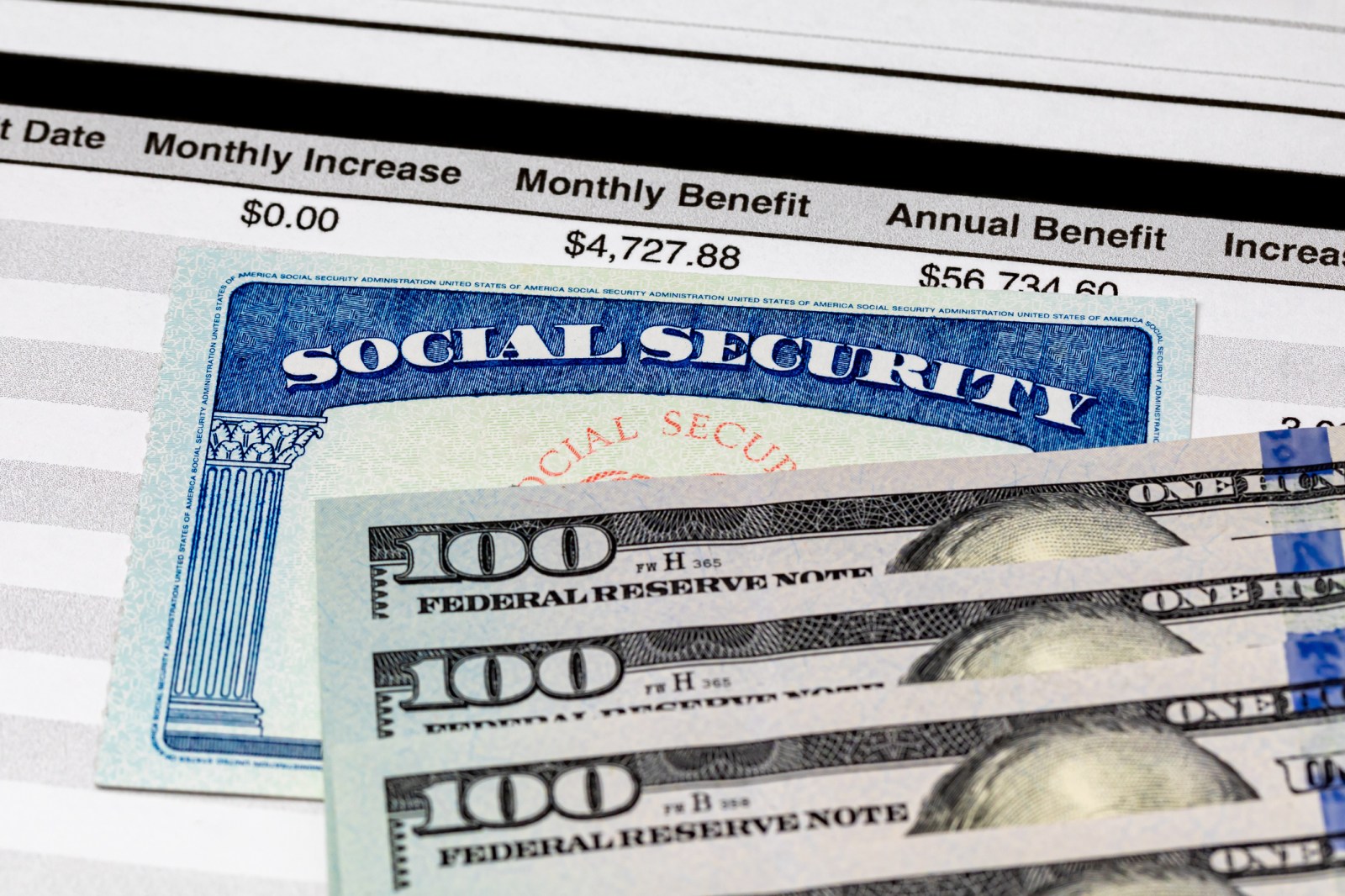
Senator Bernie Sanders has introduced a legislative measure aimed at safeguarding Social Security benefits from being seized by the federal government for unpaid federal student loans. Sanders, an independent senator from Vermont, is advancing this bill as part of his role in the Senate Health, Education, Labor and Pensions Committee. The proposal, known as the Stop Social Security Garnishment Act of 2026, is supported by Democratic Senators Elizabeth Warren and Ed Markey, both from Massachusetts.
The proposed bill seeks to amend current federal higher education laws. Under this bill, Social Security payments would remain intact even if a borrower has defaulted on a federal student loan. This protection would extend to both elderly Americans and those receiving Social Security Disability Insurance.
In the richest country in the history of the world, no senior should have their Social Security payments taken away from them to pay back student debt,Sanders stated during the announcement.
The legislation emerges amid a surge in student loan defaults. As of March, approximately 9.5 million Americans were in default on federal student loans, representing over 20% of borrowers. This defaulted amount contributes significantly to the nation’s student loan debt, which stands at approximately $1.7 trillion.
Older Americans hold a notable portion of this debt. As reported by CNBC, nearly 9.6 million borrowers aged 50 and above owe about $457 billion. Additionally, the Consumer Financial Protection Bureau estimates that 452,000 borrowers aged 62 and older are likely receiving Social Security benefits and have defaulted loans.
Federal student loans generally enter default status when a borrower fails to make payments for over 270 days. The government can then employ several recovery methods, which are more extensive than those available to private creditors. This includes Administrative Wage Garnishment, where employers may withhold up to 15% of a borrower’s income. The Treasury Offset Program also allows the interception of federal payments, including Social Security.
Currently, under federal law, up to 15% of certain Social Security benefits can be withheld, but with a minimum protection level. Only $750 per month is safeguarded, a threshold that has remained unchanged since the 1990s. Pre-pandemic data showed an increase in Social Security offsets, with statistics indicating a rise from 6,200 beneficiaries in 2001 to 192,300 in 2019. The average annual offset was approximately $2,232, calculated as $186 per month.
Many Social Security beneficiaries rely heavily on their benefits, with 37% of 1.3 million beneficiaries depending on them for at least 90% of their income. Some beneficiaries with defaulted loans report forgoing medical visits or medications due to financial constraints.
Surge in Student Loan Defaults
The default rate has increased following the expiration of pandemic-era measures. Federal student loan payments resumed in 2023, coupled with a one-year grace period that shielded borrowers from certain penalties for missed payments. With the end of this period in fall 2024, defaults began rising again by June 2025, escalating the number of affected borrowers from 5.3 million in June 2025 to 9.5 million by March 2026.
The situation is further complicated by adjustments to federal repayment schemes, including the discontinuation of the Biden administration’s SAVE income-driven repayment plan. Nonetheless, the federal government is pausing the collection methods targeted by Sanders’ bill. The Education Department announced a temporary suspension of both Administrative Wage Garnishment and the Treasury Offset Program to allow borrowers time to explore new repayment strategies.
Sanders’ bill is intended to provide permanent protection for Social Security payments when it involves collecting federal student loans.
Future Legislative Steps
Sanders’ office announced the bill on August 17. However, the proposal is in its early legislative stages, lacking an assigned Senate bill number. For the measure to become law, it must navigate through Congress, winning approval in both the Senate and the House before reaching the president for ratification.
Leave a Reply