More than six years after the COVID-19 pandemic began, the struggle to uncover its origins continues. Those dedicated to this inquiry sometimes feel like Japanese soldiers from remote islands, unaware that the world has moved forward. Yet, the world must not ignore the crucial task of understanding how the pandemic started.
A bipartisan Heritage Foundation commission, with my participation as the lead Democrat, estimated 28 million excess deaths globally. Economic losses from the pandemic in the United States alone surpassed $18 trillion. This investigation isn’t about revisiting the past; it’s about preventing future pandemics.
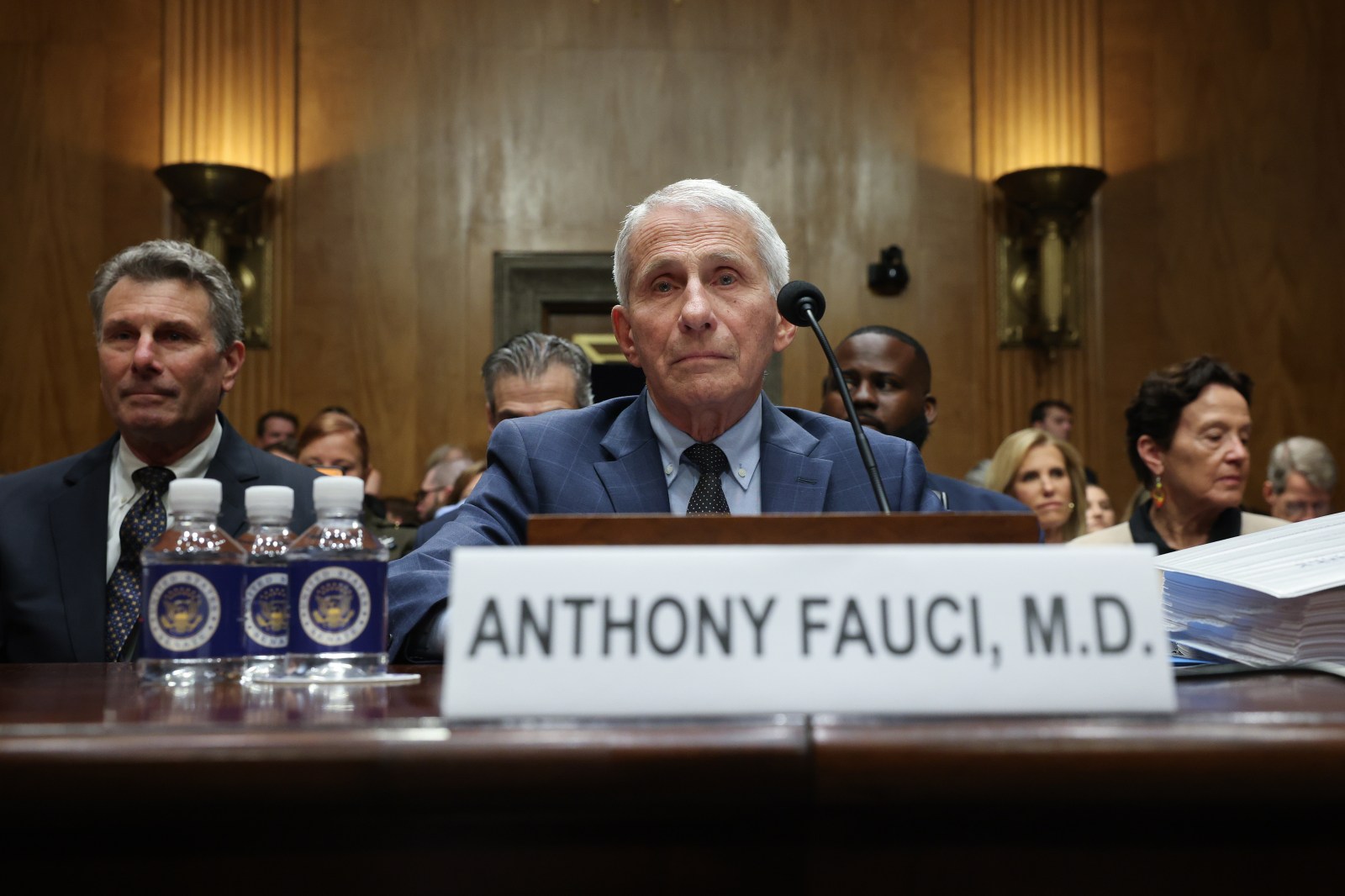
Senator Rand Paul’s decision to hold a Senate hearing on this issue was welcome. Sadly, the hearing became another skirmish between Senator Paul and Dr. Anthony Fauci. Subpoenaed, Dr. Fauci invoked his Fifth Amendment rights and declined to answer over 100 questions, prompting contempt threats from Senator Paul. The outcome was more political theater than productive discussion.
Dr. Fauci’s leadership on HIV/AIDS and vaccines saved lives but doesn’t exempt his decisions from scrutiny. Years before COVID-19, Dr. Fauci advocated for experiments making viruses more transmissible to anticipate future threats, aware of the risks. In 2011, warnings about accidental releases led to calls for high-security labs with controlled access.
The model expanded globally, with U.S. funds connected to Wuhan Institute of Virology research through EcoHealth Alliance. These grants couldn’t have directly produced SARS-CoV-2, but raised transparency concerns. Early pandemic comments by Dr. Fauci favored a natural origin despite limited reliable information outside China. This was why I urged investigation of all hypotheses, including research-related incidents.
The focus on Dr. Fauci misses the broader issue. Whether the virus emerged from a lab or wildlife trade, China’s state actions played a pivotal role. Wuhan, a city far from horseshoe bats, hosted a research center experimenting on SARS-like viruses. Infected animals pre-outbreak remain unidentified, nor is the bat-to-Wuhan pathway established. China hasn’t provided necessary lab records and data.
While not definitively proving a research origin, the evidence strongly supports this hypothesis. The WHO reported China’s lack of detailed virus sequences and research conditions at Wuhan labs. Accountability extends beyond China. Dr. Fauci, despite unwarranted threats, must respond to legitimate questions. His use of Fifth Amendment rights reflects the threat of prosecution, though frustrating for those seeking answers.
Partisan conflict hinders inquiry, diverting focus from China’s scrutiny. Since 2020, I’ve advocated for a bipartisan national COVID commission akin to the 9/11 Commission. This should address the pandemic’s origins, China’s activities, U.S. research funding, biosafety, intelligence, public health failures, and future strategies.
All entities must face scrutiny without predetermined conclusions. We must exhaust every avenue and follow evidence to learn fully before the next pandemic. Biotechnology advances offer disease prevention tools and potential risks. My 2023 testimony highlighted the risks outpacing management capabilities.
Unanswered questions highlight the ineffectiveness of current approaches. The world may wish to forget COVID-19, but another pandemic looms. Understanding, learning, and preparing for future outbreaks are imperative to avoid greater consequences.
Jamie Metzl is a futurist, author, and founder of OneShared.World. He has served on the U.S. National Security Council and Senate Foreign Relations Committee. The views in this article are his own.
Leave a Reply