Fox News’ senior medical analyst Dr. Marc Siegel discusses the troubling increase in Powassan virus cases, a rare disease transmitted by ticks. This year, 15 cases have been reported, adding to the previous record of 76 in 2025. Dr. Siegel warns parents to check children for ticks after summer camps, stressing the absence of a specific treatment or vaccine.
He advises using insect repellent and wearing protective clothing during peak tick season to prevent infections.
Emergence of Bourbon Virus
New York has confirmed its first case of Bourbon virus, a less commonly diagnosed tick-borne illness with no vaccine or specific treatment. Researchers caution that more cases might go undetected.
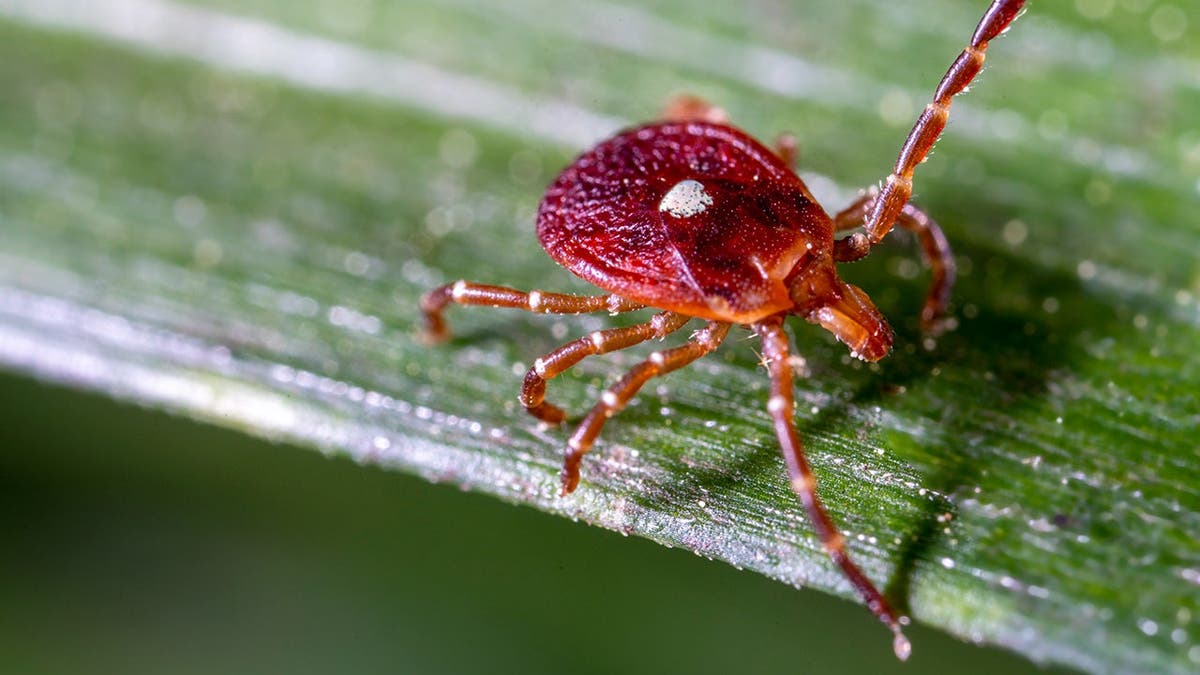
The Bourbon virus is transmitted by the common lone star tick and could complicate diagnoses if it becomes more prevalent this summer or in the future, according to Stony Brook Medicine.
Since its identification in Bourbon County, Kansas in 2014, six human cases have been recorded. The original case resulted in death, and another death was reported in 2026.
Typical symptoms include fever, fatigue, rash, headache, body aches, and nausea. Due to a lack of commercial diagnostic tests, it’s challenging for healthcare providers to identify the virus.
Adult female lone star ticks are recognizable by a white dot on their backs. However, many healthcare providers are unfamiliar with the virus, leading to potential misdiagnosis.
A research team from Stony Brook Medicine confirmed New York’s first Bourbon virus case in a Long Island patient. The patient exhibited severe symptoms and had an eight-fold increase in Bourbon virus antibody titers, resulting in hospitalization.
According to Dr. Luis Marcos, the disease is possibly more widespread due to dense populations of lone star ticks in New York and the Northeast.
The researchers emphasize the need for better testing and surveillance to improve diagnosis and monitor the virus’s spread. Removing ticks promptly decreases infection chances.
Tick Prevention and Awareness
The Centers for Disease Control reports that lone star ticks are found throughout the Northeast, South, and Midwest of the United States. States with established populations include Arkansas, Connecticut, Georgia, Illinois, Indiana, Kentucky, Maryland, Massachusetts, and others.
CDC identifies the lone star tick as aggressive. Experts recommend wearing long pants, long sleeves, and using insect repellent to avoid bites. Walking in tall grass or wooded areas increases tick exposure risk.
Remove any ticks found immediately. Seek medical care if symptoms like fever or rash develop after a tick bite. Experts endorse insect repellents like permethrin on clothing and gear for the outdoor enthusiast.
Avoid overgrown areas and stick to clear pathways to minimize contact with ticks.
Freelance writer Teresa Mull contributes lifestyle content to Fox News Digital.
Leave a Reply