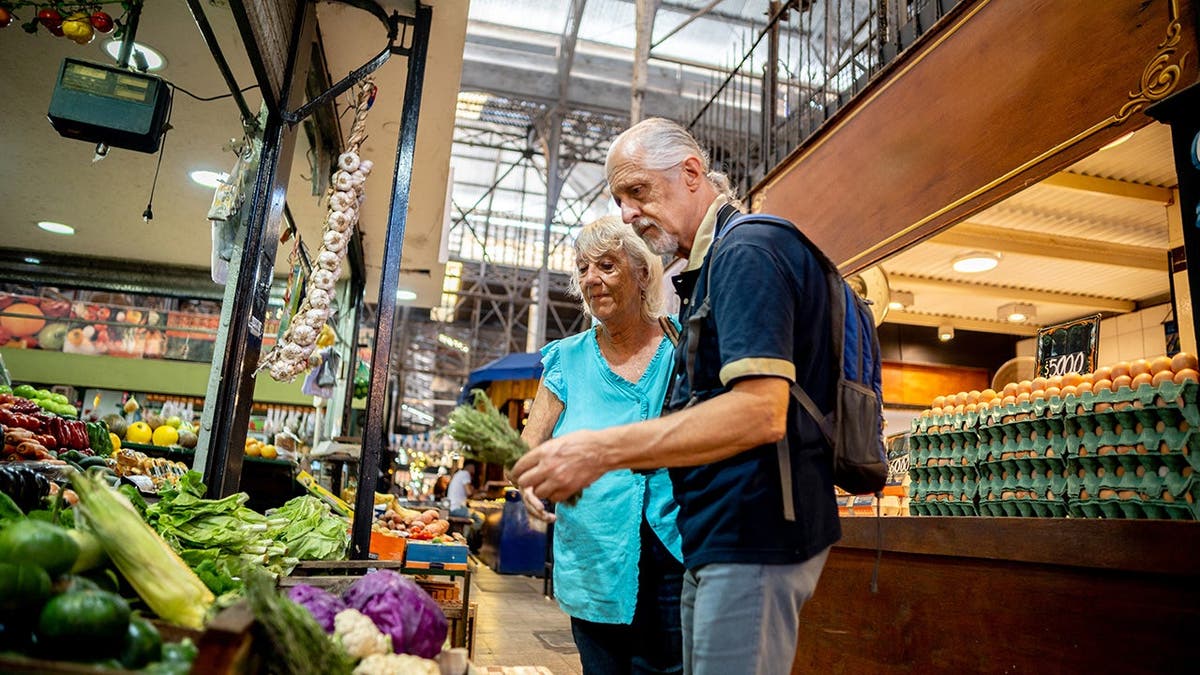
Grocery shopping has changed significantly over the past 50 years, leading to dissatisfaction among some, particularly baby boomers.
Technology and Shopping Preferences
Baby boomers, born between 1946 and 1964, express frustration with current grocery store features, especially technology-driven aspects. Self-checkout is a major concern. In a YouGov survey, 62% of respondents aged 65 and older preferred cashier-assisted checkout, in contrast to 34% who chose self-checkout. For those aged 45-64, 50% favored cashiers. However, among 18-29-year-olds, 52% preferred self-checkout. Issues for boomers include weighing produce, lack of interaction, and feeling like they’re doing free labor.
Store Preferences
Cleanliness and organization are priorities for baby boomers in grocery stores. According to a 2024 Feedback Group survey, boomers prefer supermarkets (32%) over Walmart (28%). Gen X preferred Walmart, while Gen Z chose Walmart, Aldi, and dollar stores. Only 11% of Gen Z reported traditional supermarkets as their main choice.
Challenges with Product Arrangement
Baby boomers are frustrated by strategically rearranged products aiming to prolong shopping time. Frequent relocations, causing confusion and inconvenience, are commonly mentioned in social media.
Digital Coupons and Accessibility
Although tech usage among those 65 and older rose, many baby boomers find digital-only coupons disadvantageous. Lack of accessibility for those without smartphones is a notable concern. Trader Joe’s stands out by not offering discounts or sales.
Shopping Carts and Accessibility
Shopping carts are vital for older adults needing support, stability, and a rest aid. Baby boomers often express dissatisfaction when having to pack groceries themselves, especially with the lack of designated baggers.
Brand Preferences
While younger people often opt for generic products, baby boomers remain loyal to name brands. A Numerator study found that 26% of boomers rarely consider switching from their favorite brands.
Product Availability Concerns
The COVID-19 pandemic introduced frequent stock outages. Yet, boomers feel discontent with unavailable sale items, critical for stretching fixed incomes. They face greater financial challenges due to reliance on discounted products.
Staffing Issues
Employment challenges in retail affect boomers notably. Understaffed stores lead to slower service and limited interaction, a point of contention for boomers noted on social media.
Absence of Grocery Baggers
Frustration from self-checkout and understaffed conditions correlates with the absence of dedicated baggers. Numerous boomers express discontent with self-service tasks on social media.
Convenience Foods
Millennials, born from 1981 to 1996, most often buy prepared meals, according to the U.S. Department of Agriculture. These meals, often pricier due to convenience, appeal less to older generations. The Institute of Food Technologists, based on FMI’s report, noted only 29% of those 65+ buy prepared foods, compared to 45% of younger shoppers.
Teresa Mull, part of Fox News Digital’s Lifestyle team, contributed to this report.
Leave a Reply