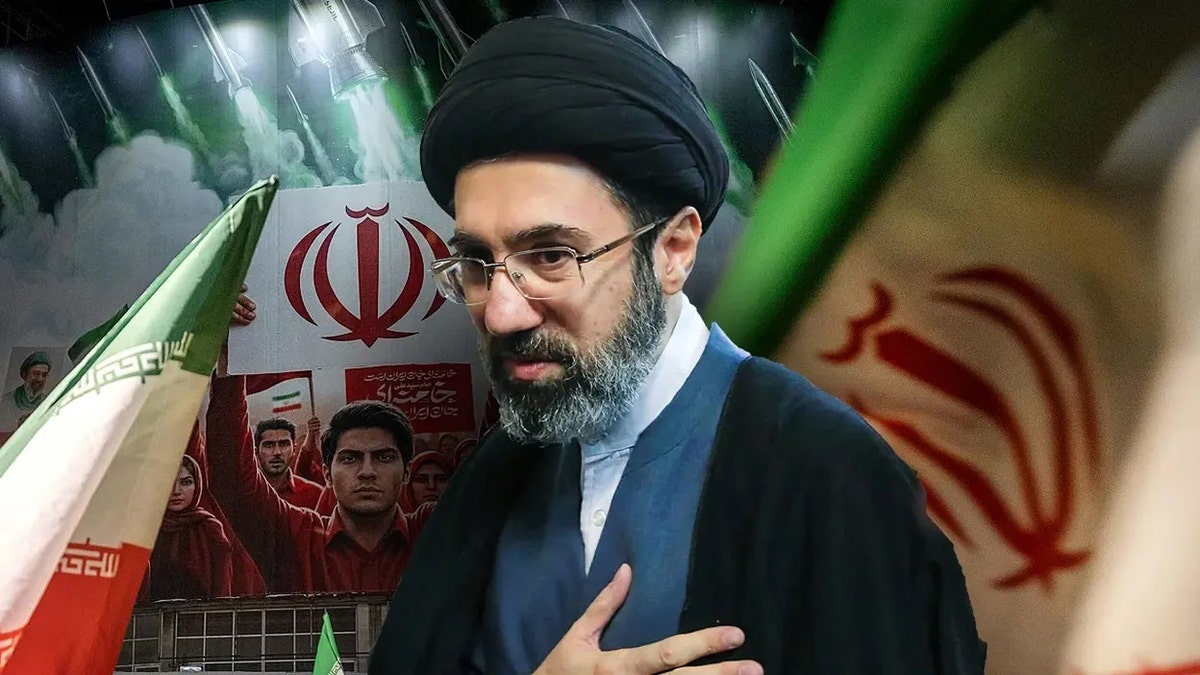
Influence of IRGC Commander Ahmad Vahidi
Recent reports have placed IRGC Commander Ahmad Vahidi at the center of Iran’s negotiation strategies. Analysts have described Vahidi as a radical hardliner, noting his instrumental role since the Iran-Iraq War and alleged connections to significant terror attacks, including the bombings in Beirut (1983) and Argentina (1994). Concerns are rising regarding who truly controls Iran’s military decisions.
Restructuring in Iran’s Military Command
This week, Iranian Supreme Leader Mojtaba Khamenei appointed six senior military commanders. This reshuffle, as Tehran rebuilds its command structure, comes after months of U.S. and Israeli military strikes. The appointments cover key positions across Iran’s armed forces, including the IRGC and Basij paramilitary forces.
The timing and language of decrees indicate Tehran’s preparation for prolonged confrontation rather than resolution with Washington.
The sequencing of these announcements seems deliberate, according to Dr. Omar Mohammed from the Antisemitism Research Initiative at George Washington University. Strategically issued in English, they coincide with negotiations between Iranian and Omani diplomats regarding a proposed shipping route through Hormuz.
Key Military Appointments
Abolishing wartime command structures as conflicts end is typical, yet Iran appears to be institutionalizing its own. Ahmad Vahidi, promoted to commander-in-chief of the IRGC, and Ali Abdollahi, appointed as chief of staff of the armed forces, serve as key appointments.
Additional appointments include Kioumars Heydari as deputy chief of staff, Mostafa Izadi as deputy IRGC commander, Ali Azmaei leading the IRGC Navy, and Hossein Taeb heading the Basij.
Vahidi has been tasked with maintaining readiness for offensive operations against perceived enemies, while Abdollahi integrates the General Staff into the Khatam al-Anbiya wartime joint command.
Sanctions and Allegations
Several newly appointed commanders face sanctions or accusations linked to terrorism and repression. Vahidi is under an Interpol Red Notice from Argentina for the 1994 AMIA bombing. Taeb is sanctioned by the Treasury for human rights abuses post-Iran’s 2009 election. Heydari has faced U.S. and EU sanctions related to the November 2019 protest suppressions.
Challenges Facing Iran’s Leadership
Mojtaba Khamenei’s appointment follows strikes that killed key regime figures, including former Supreme Leader Ayatollah Ali Khamenei. As political and military rebuilding continues, questions linger about Mojtaba Khamenei’s health and public presence.
President Masoud Pezeshkian confirmed a lengthy meeting with the Supreme Leader, only the second disclosed since his appointment. Discussions focused on domestic challenges, including economic conditions and sanctions, with Khamenei emphasizing unity and cohesion.
However, Iran’s intelligence apparatus remains incomplete. The IRGC Intelligence Organization and its counterintelligence arm lack permanent leaders, and defense and intelligence ministries are unfilled. The ongoing debate over counterintelligence failures and responsibility allocations underscores internal power dynamics.
Leave a Reply