Sergio Fusetti faced a daunting task after earthquakes severely damaged the Basilica of Saint Francis of Assisi. Nearly 30 years have passed since the disaster, and Fusetti still grapples with the challenge of restoring the church’s 80,000 fragments to their original place. “This is impossible,” he stated in Italian, emphasizing the need for artificial intelligence to assist in this monumental effort.
Impact of Earthquakes on the Basilica
Located in Umbria, Italy, the basilica is a revered site, housing the remains of Saint Francis, a figure known for abandoning wealth in favor of a life dedicated to poverty. Renowned medieval artists such as Cimabue and Giotto adorned the basilica walls with scenes depicting his life. Over the years, the basilica has endured more than 20 earthquakes, including two lethal quakes in 1997 that resulted in four deaths. Fusetti, who has been involved with the restoration since the 1970s, sustained injuries during the second quake.
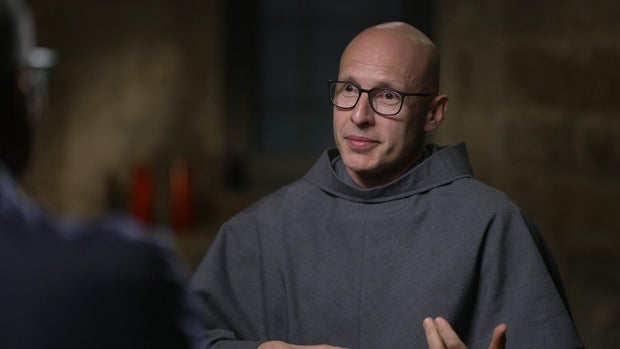
Friar Guiulio Cesareo, a student at the church during the upheavals, still harbors fear of earthquakes. He vividly recalls the unsettling sight of a stone archway trembling during the 1997 events. “I am always terrified,” he confided, with memories of the damage striking a chord within him.
Embracing Modern Technology for Restoration
Restorers have diligently worked to repair the basilica’s art, yet challenges remain with some sections still incomplete. Enter Haltadefinizione, a tech company utilizing ultra-high-definition photography. Giovanni Borelli, the Chief Technology Officer, spearheads efforts to create a digital replica of the basilica. Using advanced cameras, Borelli’s team captures intricacies invisible to the naked eye.
They employ drones and lasers to gather hundreds of thousands of images, producing an unprecedented 3D blueprint. This digital twin promises a precise guide for future restorations should another earthquake occur. Once completed next year, this digital twin will be accessible to the public.
Borelli’s team also aims to leverage AI to solve artistic restoration issues such as cracks and discoloration. “What would take years manually can be accomplished in minutes with AI,” Borelli explained.
Enhancing Access and Preserving Art
Borelli envisions broader accessibility to art through technology. The same techniques are applied to other historical sites, like a Roman emperor’s thermal bath. Cameras and laser scanners reveal room details and hidden passageways previously unknown to historians.
Virtual reality is also paving pathways into Italy’s rich past. Though Borelli admits the intrinsic feel of historical presence is irreplaceable, he supports virtual reality as a beneficial tool. “You can let your imagination take flight,” he noted.
Friar Cesareo views technology as a means to share faith and beauty. “Technology helps us reach more people than ever before,” he stated, emphasizing the efficiency. The integration of AI and digital imaging ensures the basilica’s legacy endures.
Leave a Reply