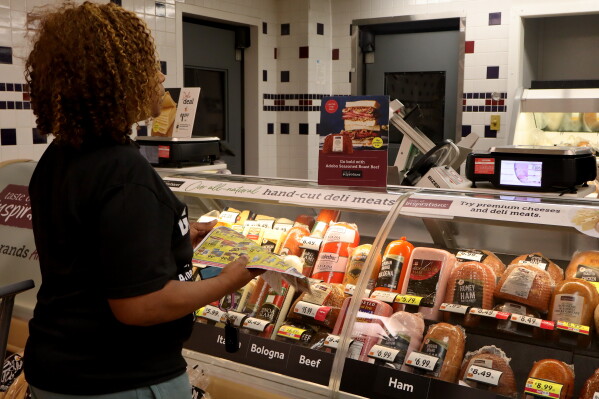
Many American families, like Apral Jack’s in Lexington, Massachusetts, are feeling the squeeze as they adapt to the staggering rise in grocery prices. Jack uses a supermarket app and weekly store circulars to find the best deals, often changing her shopping list based on current prices. When prices rise, she hunts for alternatives at cheaper stores.
Jack, along with millions of others, has adopted new habits like couponing and comparison shopping. Grocery prices have surged by 33% in U.S. cities since 2019. This increase contrasts with the earlier period where prices rose by 6.4% over seven and a half years.
Factors Behind the Price Increase
Several issues contributed to the historic food price increases, including the COVID-19 pandemic, which disrupted supply chains and increased labor and transport costs. Droughts, hurricanes, and diseases like bird flu have reduced production. Additionally, tariffs have raised costs for imported goods. The war in Ukraine has further affected oil and fertilizer supplies, making food affordability a critical issue in political discussions.
Wages Versus Grocery Costs
Jared Bernstein from the Stanford Institute for Economic Policy notes that although weekly earnings have risen slightly faster than grocery costs since 2019, consumers still feel the pinch. Other living costs, like housing and utilities, have also climbed. Americans spent an average of 12.9% of their income on food in 2024, but for the lowest-earning households, this share was 33%.
Regional Price Variations
Food prices vary by region. In St. Louis, home food costs increased by 2% over the past year. In San Francisco, the rise was 6%. Residents in these areas have adapted by looking for discounts and altering shopping habits.
Meat: A Luxury for Some
Meat prices symbolize steep grocery cost increases. Ground beef prices rose by 79% since 2019, driven by factors like drought and rising feed costs. Ada Torres from Cleveland, Texas, now considers beef a luxury, opting instead for cheaper proteins such as chicken.
Shopping Strategies in Boston
Apral Jack’s weekly grocery trips in Boston require careful planning. She uses apps to leverage sales and coupons, focusing on discounted items. She avoids certain brand-name products due to higher costs.
San Francisco’s Financial Strain
In San Francisco, Jack Chang, a barber, faces economic pressures despite working full-time. Rising costs have forced him to economize, relying on generic products and SNAP assistance. His mother contributes by sharing food bank items.
Hawaii’s High Costs
In Hawaii, high shipping costs make groceries expensive. Amanda Tabadero, a pastry chef, buys out-of-state produce due to soaring prices of local products. This limits her use of local ingredients, impacting her culinary choices.
“You need groceries to live,” says Jared Bernstein, highlighting the vital need for affordable food.
Collaborative efforts from various news sources highlight these stories, offering a glimpse into the everyday challenges faced by American families grappling with food inflation.
Leave a Reply