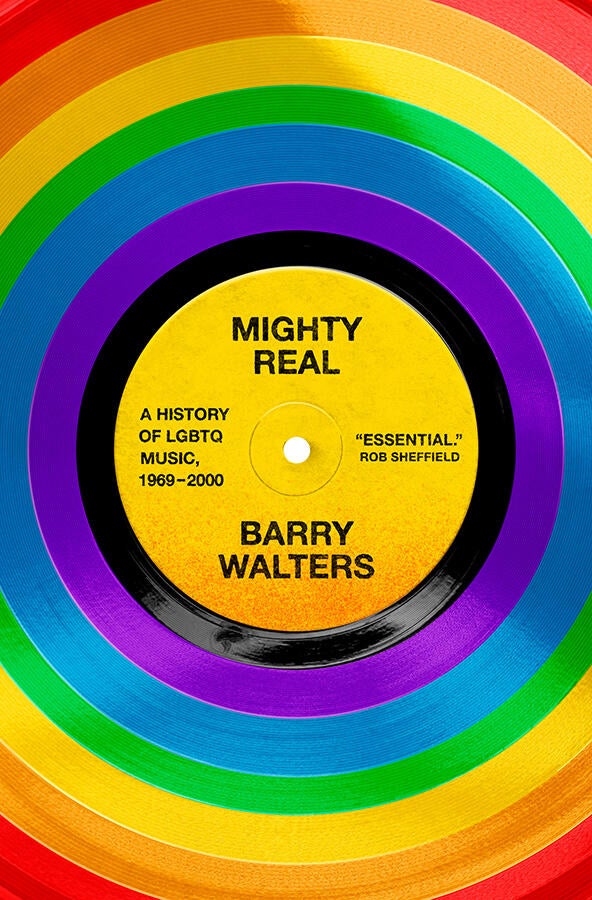
Barry Walters, writer for Rolling Stone, sheds light on the transformative power of language in his new book, Mighty Real. The book explores the history of LGBTQ music and its impact. Walters points out that when listening to love songs by straight men, he often switches the gender of the nouns to make the lyrics relatable. This reflects a common experience for many in the LGBTQ community.
Most mainstream hits are not aimed at LGBTQ audiences, even when created by LGBTQ artists. Sam Smith exemplifies this with his mainstream success. Despite being a prominent gay artist, Smith’s music rarely addresses queer themes directly. However, his recent single, “My Guy,” does something different.
In “My Guy,” Smith uses a masculine noun to depict a same-sex relationship. This simple, clear approach marks a significant step forward for LGBTQ representation in pop music. While artists like Little Richard and David Bowie have pushed boundaries through flamboyance or complex themes, Sam Smith’s gentle nod to a revolution is through straightforward representation.
As Walters recounts, figures in queer history have often had less to lose, which allowed them to push societal norms. The Stonewall Inn riots, for instance, showcased the bravery of those who had enough of societal oppression. Today, Sam Smith invokes a similar spirit of quiet defiance through his music.
“You can dream it all that you want, but you can’t have my boy,” Smith sings. “He’s my guy.”
This understated yet impactful approach makes “My Guy” a significant statement within modern pop. For those interested in exploring the evolution of LGBTQ music further, Barry Walters’ Mighty Real: A History of LGBTQ Music, 1969-2000 provides an in-depth perspective.
The book is available in various formats through popular retailers like Amazon and Barnes & Noble.
For more details, visit their websites at barrywalterswriter.com and samsmithworld.com.
The gentle revolution Sam Smith brings with “My Guy” is an essential addition to the legacy of LGBTQ music.
Leave a Reply