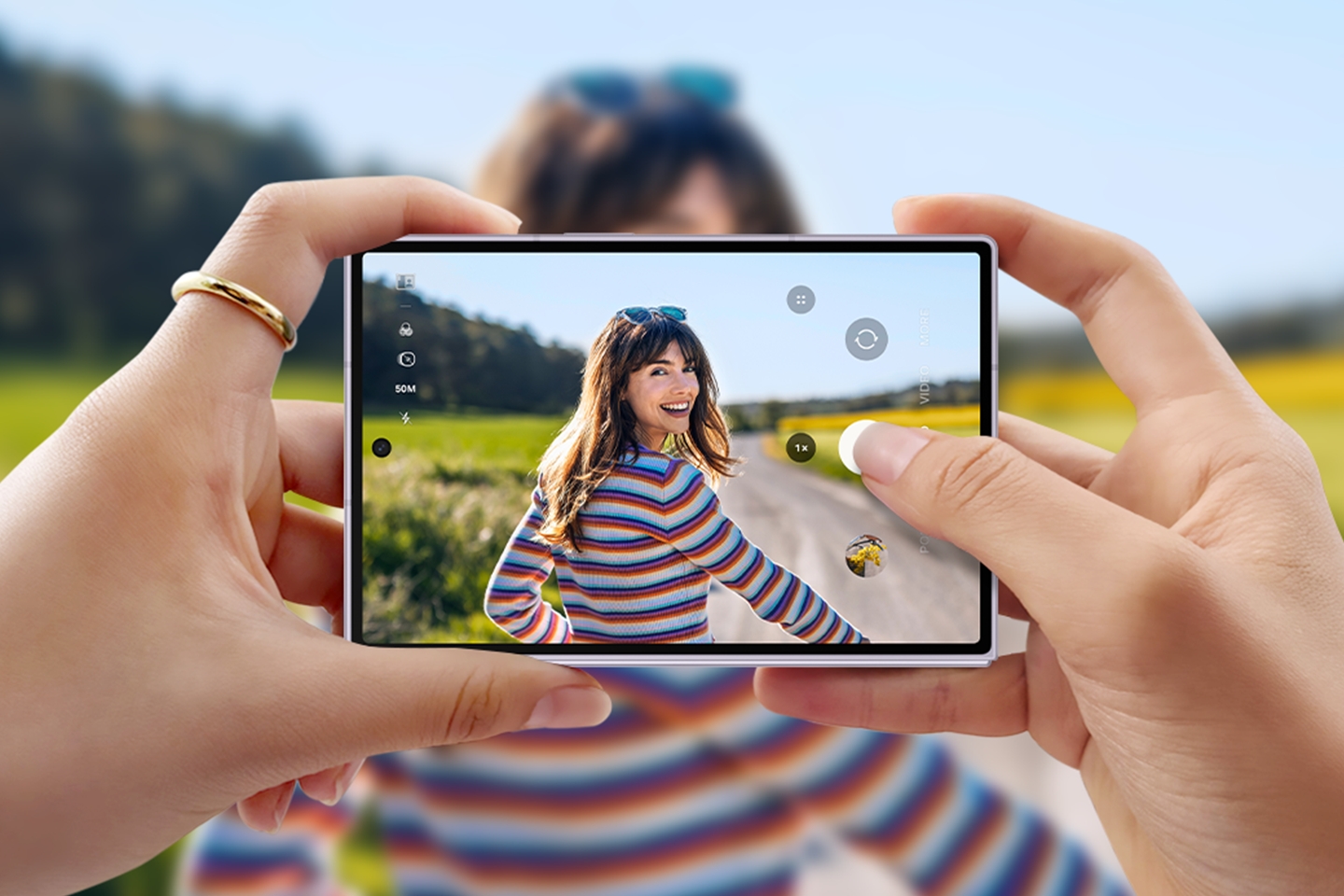
Samsung has expanded its foldable gadget lineup to include three distinct devices, a shift from seven years of offering just the book-style Fold and clamshell Flip. At Galaxy Unpacked in London, the company unveiled its updated portfolio. Each device caters to different user needs: the Galaxy Z Fold8 for media fans, the Fold8 Ultra for professionals, and the Flip8 for style-conscious consumers who prioritize portability.
Understanding Each Device’s Unique Features
The standard Galaxy Z Fold8 is designed for easy media consumption. Weighing 201g, it is the lightest foldable in the lineup. The display is set to 10:16 for social content on its cover screen and opens to a 4:3 main display ideal for games and video. It rotates to suit long-form reading. It has a 4,800mAh battery and dual 50MP rear cameras. Priced at £1,699 for the 256GB model, it serves as the entry to the Fold series.
The Fold8 Ultra, by contrast, is a high-spec option. Unfolded, it is 4.1mm thin and weighs 215g. It boasts an 8.0-inch display and a camera system featured with a 200MP main sensor. A 50MP ultra-wide and a 10MP 3x telephoto are also included. The battery is 5,000mAh with 45W fast charging. Capable of shooting 8K video using the APV codec, the Fold8 Ultra starts at £1,899. Analysts point to a notable $200 US price gap with the Fold8, potentially challenging Samsung to define its sales approach.
The Flip8 emphasizes portability. At 180g and 6.1mm thin, it is the slimmest and lightest in the Flip category. Running on an Exynos 2600 chip, its redesigned FlexWindow cover display offers an AI-native interface. A 50MP main camera and new video features, like Super Steady with horizontal lock, highlight its photography capabilities. Starting at £1,149, it is designed for consumers seeking a lifestyle-friendly device.
Market Trends and Challenges
Samsung’s three-device strategy is timely, aligned with market growth forecasts and impending competition. According to Counterpoint Research, the foldable market is anticipated to grow by 21% in 2026, yet Samsung’s share might decline to 32% due to Apple’s upcoming foldable iPhone launch. Counterpoint’s Liz Lee suggests Apple’s entry will heighten consumer awareness and expectations for premium foldables. Still, Samsung’s strengths lie in its maturity and experience in the foldable market.
As foldables become more popular, their prices increase, with top-tier devices likely constituting 60% of shipments by 2026. Samsung’s introduction of an Ultra tier and higher initial prices suggest a focus on luxury customers willing to spend more, rather than seeking budget options.
Pre-orders for all three devices are now open, with availability starting August 7. Added benefits include a six-month Google AI Pro trial with 5TB of cloud storage. Samsung’s updated Smart Switch enables iOS users to switch effortlessly by scanning a QR code without downloading an app.
The effectiveness of Samsung’s expanded strategy will depend on whether three distinct devices sell better than two. The Ultra clearly targets high-end users. The Fold8’s value must be communicated against the more feature-rich Fold8 Ultra, while the Flip8 offers a different value proposition that steers clear of direct competition with its siblings.
Leave a Reply