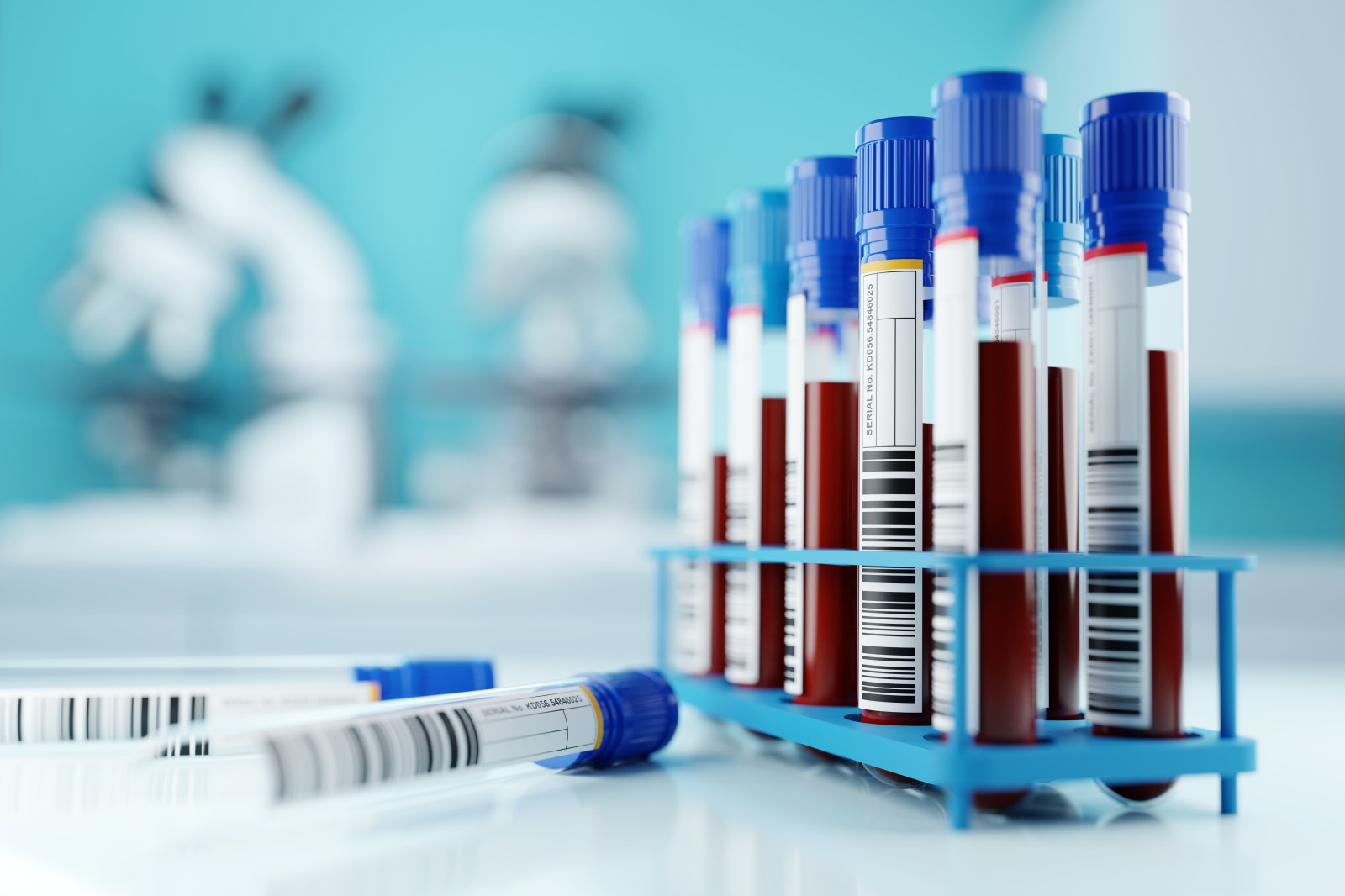
Researchers from the Korea Advanced Institute of Science and Technology (KAIST) have conducted groundbreaking research into blood sample analysis for colorectal cancer patients. Their study proposes that a single blood sample taken before surgery might help identify patients at risk of recurrence or metastasis.
Understanding Cancer Through Metabolic Networks
The study indicates that as colorectal cancer progresses, the body’s metabolism undergoes changes detectable in blood. Instead of examining individual amino acid levels, researchers explored interactions among these molecules, forming what they call a metabolic ‘network.’
The findings suggest that this network could offer a more informative view of cancer progression. Cancer cells often require significant nutrients to thrive, notably amino acids that aid in protein formation, energy production, and DNA synthesis.
Research Methodology
Utilizing fluorine-19 nuclear magnetic resonance spectroscopy, the scientists analyzed interactions among 18 circulating amino acids. They observed that the amino acid network was reorganized as the cancer advanced.
Branched-chain amino acids, like valine and leucine, declined with disease progression. In contrast, glycine and serine, crucial for DNA synthesis, became more significant.
Glycine’s Role and Machine Learning Models
The study uncovered that despite cancer cells consuming glycine, its abundance in the bloodstream increased with cancer advancement. This increase was pivotal for developing machine-learning models aimed at identifying patients at higher risk.
These models outperformed traditional methods using carcinoembryonic antigen (CEA), a standard blood marker for colorectal cancer. By combining CEA with both individual and interaction-based amino acid features, the model offered superior performance.
Implications for Treatment and Further Validation
Professor Ji Min Lee, leading the study, expressed hopes that this approach may guide precise treatment decisions. However, experts, including Dr. Michael F. Driscoll, emphasize further validation in larger studies. They highlight challenges in integrating these findings into clinical practice, primarily concerning insurance coverage.
Currently, many oncologists use CT-DNA for postoperative recurrence risk assessment, validated across multiple large studies.
These findings do not establish a clinical test for routine use yet, but they provide evidence that amino acid interactions might serve as promising biomarkers for monitoring colorectal cancer progression.
Primary contributors to the study include co-first authors Ji-Yeon Lee and Dr. Jumi Kim, with Professors Ji Min Lee and Hyunwoo Kim as co-corresponding authors. The study appeared in the journal Advanced Science on June 9, 2026.
Leave a Reply