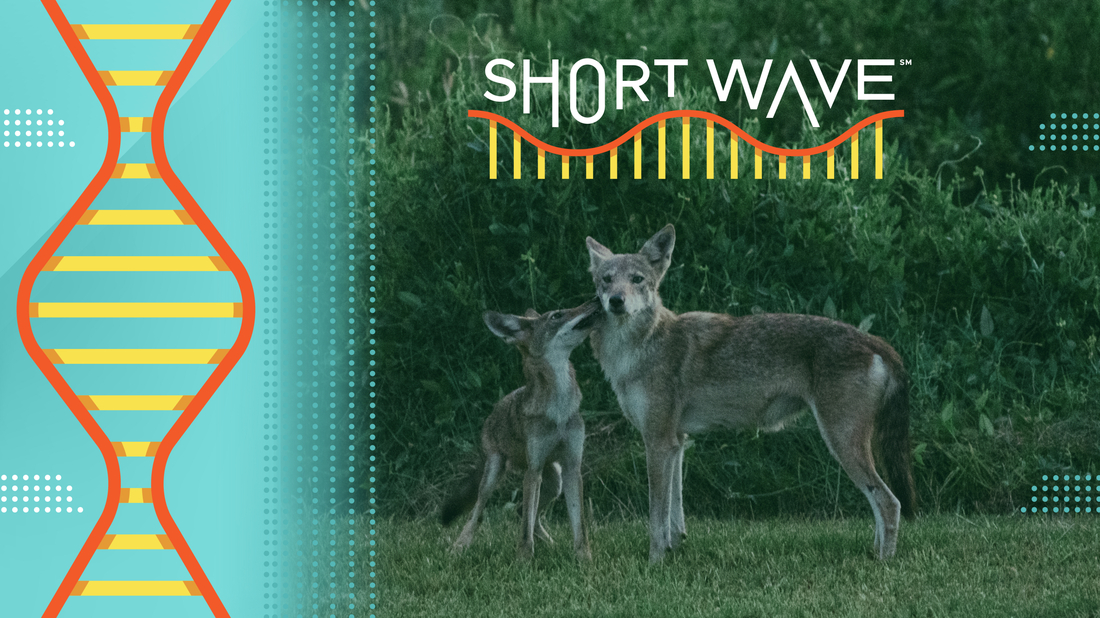
The American red wolf, a small canid with cinnamon-colored fur, once thrived in the southeastern United States. It played a significant role in local ecosystems by controlling deer and small mammal populations. However, early European settlers perceived wolves as threats. They competed with humans for game and endangered livestock, prompting federal programs to facilitate their eradication. Consequently, by the mid-1900s, red wolves faced steep declines.
Bridgett vonHoldt, a Princeton University professor of ecology and evolutionary biology, explains that conservation efforts gained momentum in response to this threat. In the 1970s, the U.S. Fish and Wildlife Service (USFWS) initiated a mission to conserve the species. Contractors were hired to capture various canids, including coyotes and dogs, alongside red wolves.
From this collection, USFWS selected forty canids exhibiting substantial red wolf characteristics. They established a founder population of fourteen red wolves, the ancestors of all captive American red wolves today. Still, with only a few hundred individuals in captivity and a few roaming in North Carolina, genetic diversity is severely limited.
VonHoldt contributes to a pioneering approach, leveraging ‘ghost genetics’ to restore lost genetic diversity to the red wolf population. In a Short Wave podcast episode, host Emily Kwong explores this initiative, delving into innovative solutions such as using ‘gene dictionaries’ and various unconventional methods like analyzing scat for genetic material. The conversation reveals how a photo of a common Texas coyote unexpectedly kick-started this endeavor.
For those interested in learning more about such endeavors or other animal-related topics, Short Wave encourages listeners to reach out via email. The podcast is available on Spotify and Apple Podcasts, with an option to support NPR further through Short Wave+.
The episode featured contributions from producers Hannah Chinn and was edited by Rebecca Ramirez. It was fact-checked by Tyler Jones, engineered by Robert Rodriguez. Senior leadership includes Beth Donovan and Collin Campbell in podcast strategy roles.
Leave a Reply