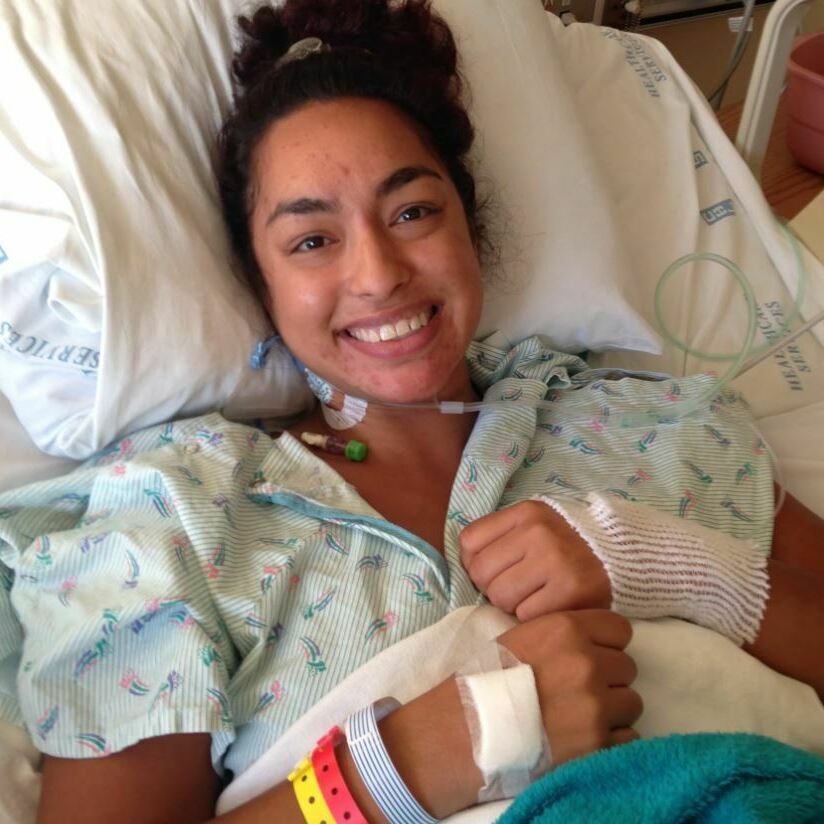
In 2014, Leila Mirhaydari underwent kidney transplant surgery. Eight years passed before she discovered her body was rejecting the donated organ.
By February 2021, pandemic restrictions in Hawaii were beginning to lift, allowing Leila to consult her kidney doctor. This was a relief after her inability to access in-person healthcare. Her concern was heightened because transplanted organs require careful management. For a year, Leila handled the upkeep of her donated kidney independently. The initial set of lab results was crucial.
“Immediately, all my levels were just out of whack and I knew that I was in rejection,”
she recalled. Emotionally, she grappled with the disappointment of feeling as though she let down her donor. She wondered why she couldn’t retain the kidney.
Leila’s kidneys failed at the age of 27, leading her to spend her twenties on nightly dialysis, relying on a machine to perform her kidney functions while waiting for a transplant. Her search for a living donor ended when her step-cousin, Miles Landis, volunteered. On September 9, 2014, she received the kidney.
Leila affectionately called her kidney “The Hulk.” Months post-surgery, she stated,
“And it’s funny because it’s in the front, so I feel it. And sometimes I just kind of hold it and say, ‘Thank you.'”
“The Hulk” allowed her eight years free from dialysis, enabling her to travel and enjoy life. But now, during organ rejection, her journey seems to be resuming its previous course.
Understanding the Immune System’s Role
When an organ is transplanted, the immune system reacts by attacking the new tissue. To counteract this rejection, recipients take medications to suppress their immune systems. If these medications are not maintained properly, rejection is likely.
Nicolae Leca, a University of Washington professor, and medical director at UW Medicine’s transplant program, explains,
“If the immunosuppression is too low, or someone doesn’t have access or has stopped taking their medications, that snowball starts to roll faster and becomes bigger. That will lead to a clinical rejection.”
The National Kidney Fund points out kidneys from living donors typically last 15-20 years. However, early rejection is common.
Challenges of Medication Costs
In March 2020, as Hawaii braced for COVID-19, Leila lost her job when the restaurant she worked at closed. With health insurance tied to employment, paying for daily immunosuppressants became a strenuous task.
Leila managed as best she could but faced a tough choice. She decided to reduce her dosage, knowing the risk involved but constrained by finances. She believes this decision weakened her immune system’s balance, increasing the risk of rejection.
Preparing for Another Transplant
As Leila anticipates returning to dialysis while waiting for a donor, she is active on the UNOS transplant list. The psychological burden of failure and readiness for another transplant challenges her.
Over 100,000 Americans await organ transplants, with kidneys being the most needed. Tragically, 17 individuals die daily in the U.S. while on the waiting list. While hopeful for a match through the UNOS list, Leila is also seeking a living donor. In 2022, over 6,400 people donated organs while living.
In December 2020, the federal government enacted a Medicare law covering immunosuppressive medication costs for the lifespan of the transplanted organ. Although this change arrived too late for Leila, she finds comfort in knowing future recipients will benefit.
“Anyone who’s in need of immunosuppressants will be able to receive them regardless of their insurance status,” she states.
To learn more about living organ donations, visit the United Network for Organ Sharing website.
This information is based on a production by Liz Metzger, edited by Rebecca Ramirez, and fact-checked by Zazil Davis-Vazquez. The audio was engineered by Gilly Moon.
Leave a Reply