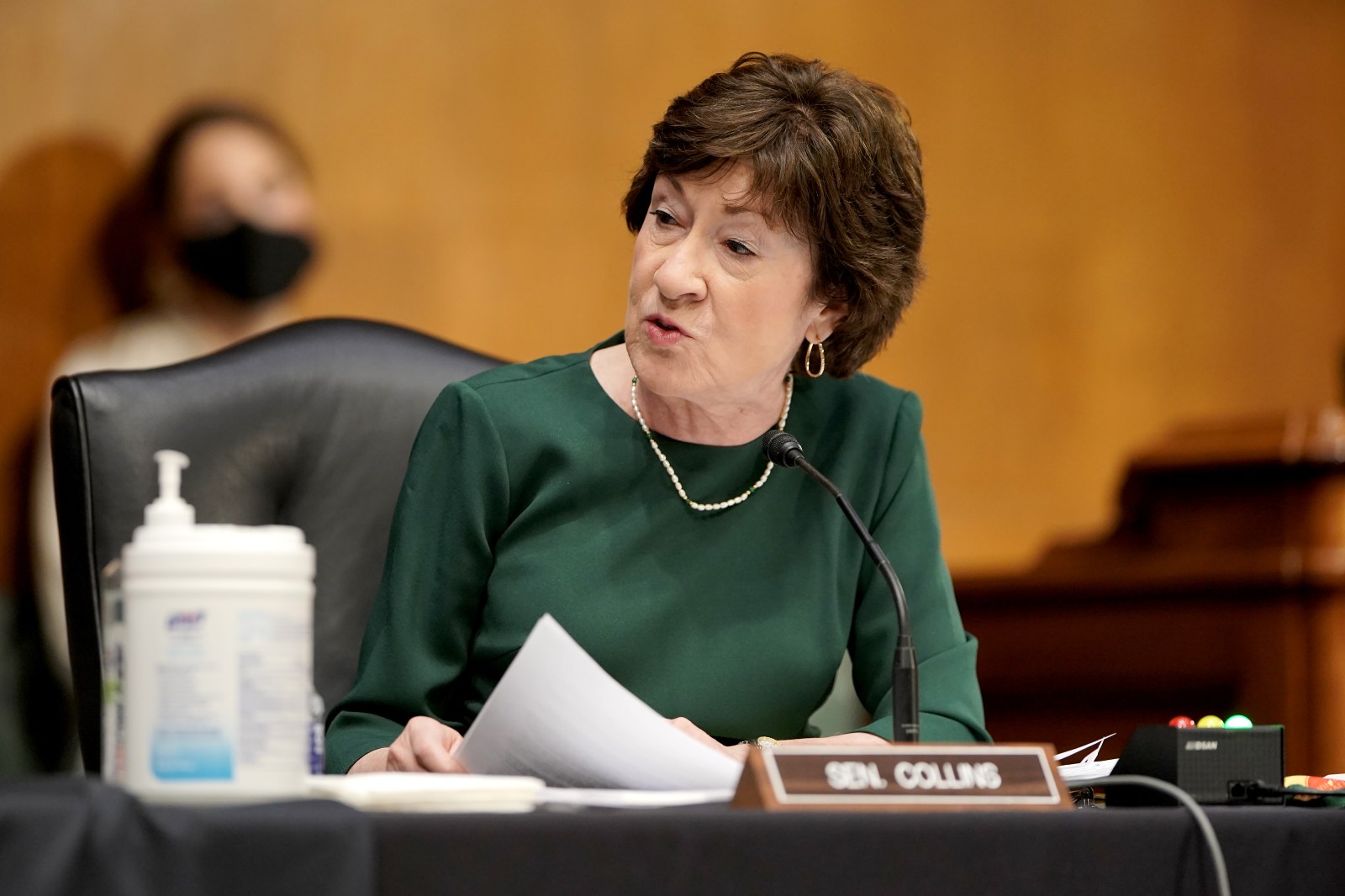
Senator Susan Collins has expressed concerns over the Trump administration’s perceived effort to politicize federal health research funding. This concern arises from a dispute regarding control over the National Institutes of Health (NIH) grants, as she navigates a highly competitive reelection campaign. Recent polls, including one from CNN/SSRS, show Democrat Troy Jackson narrowly leading Collins, making the race one of her most closely contested.
The controversy began following a report by The Washington Post, indicating that President Trump might issue an executive order establishing a commission to review NIH grants, potentially allowing political appointees to influence the allocation of around $50 billion in research funding. White House budget chief Russell Vought criticized the NIH, claiming certain funded initiatives conflicted with the President’s priorities.
Collins Challenges White House
In a statement on Monday, Collins argued against the Office of Management and Budget (OMB) influencing grant awards, stating it violates congressional intent. She emphasized that politicizing NIH or any agency’s grant-making processes would undermine established scientific and merit-based evaluations.
Collins warned that introducing political reviews would damage the current system, which bases funding on scientific need and merit, not political ideology. Her statement came as congressional leaders from both parties expressed similar concerns regarding increased White House control over NIH grant decisions.
Previous Disputes Over Grant Rules
Collins’ resistance to these proposals is long-standing. In July, she urged OMB to withdraw challenging elements from a proposed government-wide grant-making rule, arguing they could impede research and burden small communities. She opposed the potential for grants to be scrutinized for alignment with presidential priorities unnecessarily.
Her July letter also cautioned that allowing termination of grants based on shifting agency priorities could disrupt essential research projects, potentially affecting clinical trials and long-term studies.
This ongoing debate with the OMB has been a central issue for Collins, especially given recent developments suggesting further politicization of grant processes.
Oval Office Meeting and Reported Proposals
The issue gained intensity following reports of an Oval Office meeting involving Trump, Vought, and NIH Director Jay Bhattacharya. Vought criticized certain NIH-funded projects and pushed for more oversight. Bhattacharya defended the agency’s review process, reaffirming commitments to invest in research funding previously approved by Congress.
Despite reports of a draft order for an external committee to review grants, NIH spokesperson Joshua Pradko asserted funds would not be rescinded. Efforts to control NIH funding continue, with Congress temporarily blocking OMB’s proposed rule through a recent resolution.
Bipartisan Opposition to Politicized Funding
Politicians from both sides have opposed the proposal. Senator Patty Murray voiced that research funding should remain in the hands of NIH experts, free of political influence. She emphasized the importance of scientific merit in funding decisions and criticized attempts to use funding for political ends.
Murray urged Republicans to resist politicization of medical research, regardless of whether changes arise through an OMB rule or executive order.
Tight Race for Collins in Maine
Amid polling indicating a tight race, Collins faces challenges in her reelection campaign. Surveys show varying outcomes, with her opponent Jackson slightly leading in some. These dynamics highlight the broader political difficulties for Republicans in Maine.
Despite these challenges, Collins’ history of electoral resilience is noteworthy. She overcame unfavorable polling in 2020 to win reelection, although she navigates a complex environment once again.
For further inquiries about this story, contact Newsweek editor Edward T. Cummins.
Leave a Reply