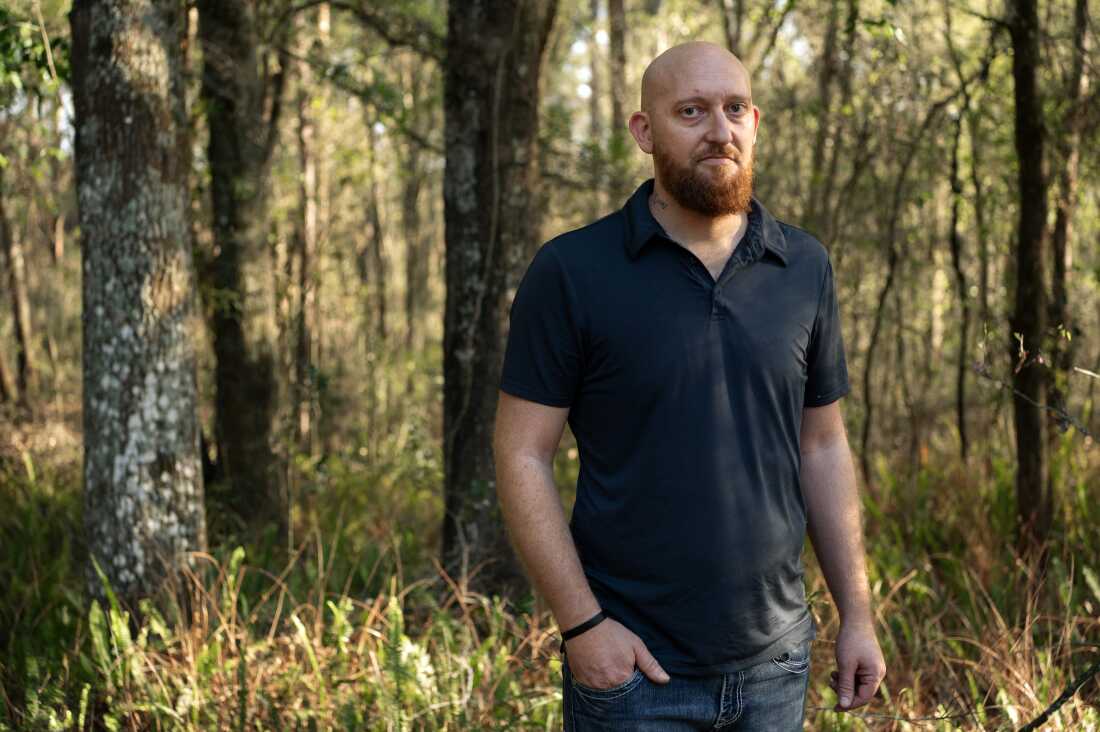
Wade Hanicker is a resident near Tampa, Florida, who began making countertops 15 years ago. He used saws and power tools to shape slabs of raw stone for kitchens and bathrooms. Simple face masks were his primary protection against dust. His concerns were more about physical injuries from slabs or blades, not lung diseases. He primarily worked with ‘quartz,’ a composite made from quartz bits mixed with binders and pigments. Unlike granite or marble, this manufactured quartz has more silica, which can damage lungs when inhaled.
This danger is evident in California, experiencing a significant silicosis epidemic, an irreversible lung disease. More than 550 countertop workers, mostly Hispanic men, have been reported sick over recent years. These conditions have led to over 30 deaths and more than 50 lung transplants, according to a public dashboard. On May 21, California’s workplace safety board will vote on banning the cutting of high-silica quartz due to toxicity concerns beyond silica, including pigments and resins.
Rebecca Shult, a lawyer for Cambria, a leading quartz company, challenged the blame on any silica product subset during a March hearing. She emphasized inconsistency in identifying ‘engineered stone silicosis’ on California’s tracking dashboard. Other states, including Florida, have not reported significant cases among countertop workers. However, David Michaels from George Washington University, an expert on workplace safety, argues California’s numbers result from proactive case searching, unlike other states.
He estimates thousands of unrecognized lung damage cases in U.S. countertop workers, referring to Australia’s study finding over 10% affected. Most doctors are unfamiliar with silicosis, leading to frequent misdiagnoses. This happened to Hanicker five years ago when he experienced shoulder pain, initially diagnosed as pneumonia, but later found to be silicosis through a CT scan and biopsy. The disease, requiring future lung transplantation, altered his life, affecting his marriage and fatherhood. He sued quartz slab manufacturers and distributors.
Quartz producers, like Cambria, warn that all high-silica materials, including quartzite, pose risks if safety measures like vacuum systems and water sprays are inadequate during cutting. Khaled Taqi-Eddin, representing Cambria, emphasizes the necessity of strong workplace safety practices to prevent worker illness.
However, occupational health experts believe that quartz’s toxicity is dangerously high, making safe fabrication and installation unachievable. In Colorado, a jury awarded damages to Tyler Jordan—an ex-countertop worker who developed silicosis after nearly a decade in the industry—as companies’ actions led to his illness.
Cecile Rose, an occupational pulmonologist and team member who reported the first severe silicosis cases in young U.S. workers, recorded 20 cases in Colorado, including cases across Illinois, Missouri, Montana, and other states, through a registry that relies on word-of-mouth sharing among doctors.
Attorney James Nevin shares that workers in about 25 states are represented by his firm. Fear of job loss or deportation deters many from speaking out, and few workers or employers report health issues, according to Kenneth Rosenman from Michigan State University.
Due to underreporting, Rosenman estimates the U.S. is missing over half of work-related amputations and around 95% of silicosis cases. Silicosis remains severe in California, prompting discussions for an outright ban on quartz. David Michaels supports this ban, arguing that similar work nationwide could lead to identical health crises if exposures remain unchecked.
Leave a Reply