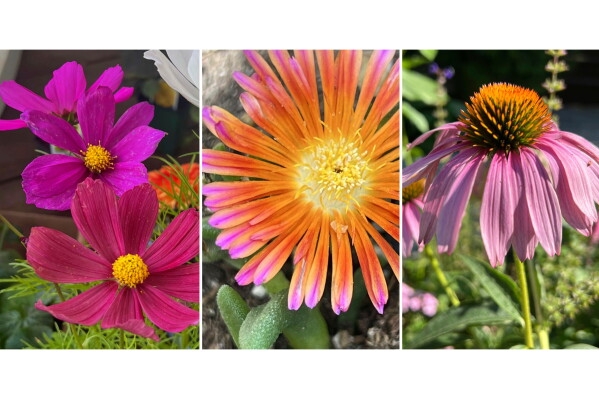
Every spring, a new growing season arrives, bringing challenges and opportunities for garden enthusiasts. As a garden communicator, I receive an array of sample plants from breeders and growers. These plants are not yet available on the market. I carefully plant them in my garden beds, containers, and a designated area I call the Maternity Ward. This space is a 3-foot-deep strip of soil along the side of my house. Throughout the season, I observe and evaluate how these plants perform.
This rigorous testing allows me to provide feedback on each plant before they hit garden center shelves. I focus on whether they thrive, bloom reliably, or fall victim to disease or pests. These insights help ensure you make informed decisions when purchasing new plants.
Featured Plant Trials
This spring, several plants I trialed last year are now available in retail nurseries. Here are those that impressed me the most:
Digitalis Arctic Fox ‘Lemon Cream’ and ‘Rose’
These foxgloves are suitable for horticultural zones 5-9. Known for their bell-shaped flowers, they attract hummingbirds and pollinators. In my zone 7 garden, they survived a harsh winter and are blooming abundantly. Keep in mind, Digitalis is highly poisonous, so it should be out of reach from children and pets.
Agastache mexicana Summerlong Series
Also known as hummingbird mint, this plant is available in coral, lilac, peach, magenta, and lemon colors. This plant thrives in zones 7-10. It grew without issues, bloomed well for a first-year plant, and returned robustly in my sunny garden. It can mature to 16-22 inches in height and width.
Calibrachoa Superbells ‘Magic Double Grapefruit’
These “million bells” produce dazzling lemon-yellow buds. They blossom into double flowers with a soft pink hue. Suitable for sun and part sun, the drought-tolerant plant trails beautifully in hanging baskets. It reblooms through frost.
Anemone Harlequin ‘Cameo’
Tough in zones 4-9, this perennial displays delightful, daisy-like pink flowers with bright yellow centers. They flourish from early summer through frost. These plants reach approximately 14 inches tall (26 inches with flowers) and 18 inches wide.
Echinacea French Tips
This coneflower variety is captivating with its white-tipped pink petals, resembling a French manicure. The blooms attract pollinators and continue from summer through fall. Hardy in zones 4-9, these plants grow 20-24 inches tall and 24 inches wide, and they resist deer.
Lobelia Laguna Royal Blue Pearl
These airy plants sport deep blue flowers with white centers throughout summer. Perfect for sunny containers, they can also edge or line rock and crevice gardens. As annuals, they reach 8-12 inches tall and spread 10-12 inches, showing enhanced heat tolerance.
Supertunia Mini Vista Pink Cloud
This petunia variety blooms continuously through frost, sporting ruffled petals and a soft pink color. They stand out with a fading white center, setting off the vibrant pink. Grow them 6-12 inches tall with a trailing capacity of up to 24 inches in pots.
Begonia Hula White
Although I was never a begonia fan due to their thick stems, Hula White changed my mind. With its spreading habit, the plant blankets itself with yellow-centered white flowers. This variety thrives in both sun and shade, growing 6-10 inches tall and spreading 20-27 inches.
Pink Beacon and Blue Pearl Impatiens
Beacon Impatiens are excellent choices for their resistance to downy mildew. These new varieties offer vibrant, understated flowers that thrive from spring through fall. Ideal for shade, they spread abundantly, reaching 14-18 inches tall and 12-14 inches wide.
Spreading Petunia Shock Wave Rose Vein
This petunia features a unique bicolor pattern with a star-like center. It grows in a somewhat mounded shape, preventing the sprawling common in some petunias. They reach 7-10 inches tall and 20-30 inches wide, thriving in full sun.
Jessica Damiano writes regular gardening columns for The Associated Press. She publishes the award-winning Weekly Dirt Newsletter. Sign up for weekly gardening tips.
More gardening stories can be found at the AP gardening section.
Leave a Reply