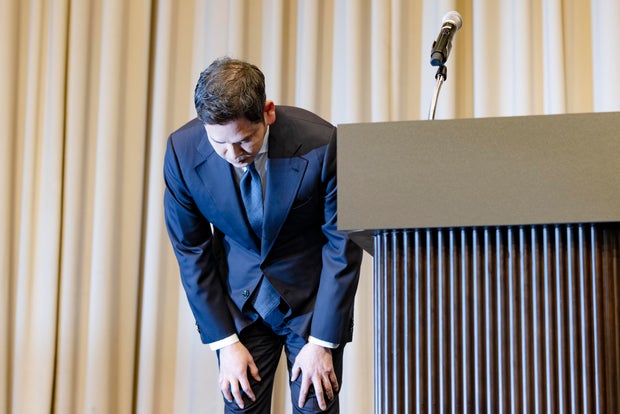
On May 26, 2026, Chung Yong-jin, the chairman of Shinsegae Group, addressed a controversy involving Starbucks Korea. The company, in which Shinsegae holds a 67.5% stake, faced criticism after a marketing campaign that many found offensive. Chung expressed remorse during a televised statement, offering apologies to families of pro-democracy activists harmed by the 1980 military crackdown in South Korea.
The campaign, criticized for poor taste, promoted a large tumbler dubbed a “tank,” coinciding with the anniversary of the Gwangju Uprising. This event is a painful memory for many South Koreans, marked by severe military suppression. The slogan “Thwack it on the table!” further upset the public, as it recalled a grim episode linked to activist Park Jong-chol’s death in 1987.
Following immediate backlash, Shinsegae terminated the promotion and dismissed Starbucks Korea’s CEO. Authorities opened an investigation after families of Gwangju victims lodged complaints. At a press conference, Chung urged the public not to blame Starbucks employees, emphasizing that management should shoulder the responsibility. While there were no significant incidents reported at coffee shops, sales reportedly dropped significantly.
This incident provoked calls for boycotts, with public figures, including Interior Minister Yoon Ho-jung, condemning Starbucks for “anti-historical behavior.” The controversy led to a sales decline, as indicated by Shinsegae officials to Reuters. South Korean President Lee Jae Myung criticized the campaign on social media, describing it as “inhumane and disgraceful.”
Historically, the Gwangju crackdown followed General Chun Doo-hwan’s seizure of power in 1979. Official records show about 200 deaths, though activists argue the actual toll was higher. This dark chapter in South Korea’s history fueled widespread protest, culminating in constitutional reforms and a shift toward democracy by 1987.
Leave a Reply