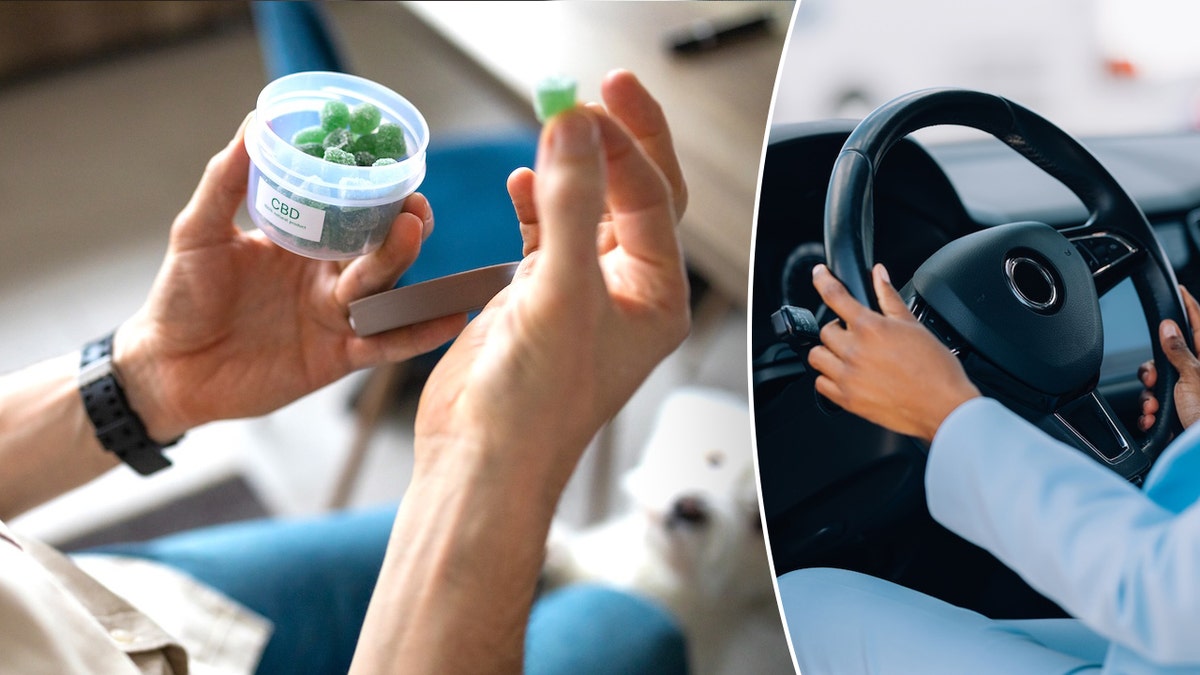
A recent study highlights the impact of consuming cannabis edibles on driving skills, suggesting impaired road performance even with low THC blood levels. Published in JAMA Network Open, the research poses challenges for impaired-driving enforcement in areas like Canada and parts of the U.S.
Traditionally, studies have focused on smoked or inhaled marijuana, which quickly increases THC (tetrahydrocannabinol) levels in the blood. Edibles, however, are absorbed more slowly and can impair driving without high blood THC concentrations.
Researchers observed that drivers who consumed higher doses of edible THC exhibited difficulty controlling lanes, slower reaction times, and inconsistent speeds. Despite these impairments, blood tests remained below the legal cutoff typically used at traffic stops.
“The delayed absorption and prolonged effects of edible cannabis complicate the interpretation of biological measures,” noted Dr. José Ignacio Nazif-Munoz in a commentary.
The study, conducted by the Centre for Addiction and Mental Health in Toronto, involved 40 healthy adult cannabis users. Participants took part in four sessions, consuming gummies with 0, 2, 10, or 20 mg of THC.
Using a driving simulator, researchers assessed participants at two, five, and 24 hours post-consumption. They measured lane control, reaction times, and speed consistency. Blood samples and self-assessments of intoxication were also gathered.
Findings indicated notable driving impairment at two and five hours after ingesting 10- and 20-mg gummies. Those consuming these doses showed greater variability in lane position with the 20-mg dose causing slower reaction times and inconsistent speed control.
Participants acknowledged these limitations, expressing reluctance to drive and reduced confidence in their driving skills following consumption.
The highest blood THC levels averaged 1.6 ng/mL for the 10-mg dose and 3.4 ng/mL for the 20-mg dose, both below the typical 5-ng/mL threshold, with some samples exceeding 5 ng/mL.
Compared to the team’s earlier smoked-cannabis study where impairment corresponded to an average blood THC level of 30.3 ng/mL, the disparity between blood levels and impairment with edibles is clear.
The study’s limitations include testing in simulators rather than real-world driving scenarios and focusing on regular cannabis users, leaving the reaction of infrequent users uncertain.
Dr. Nazif-Munoz noted the challenges for law enforcement due to the slow absorption and extended effects of edibles. Policymakers are exploring more reliable tools for identifying impaired drivers.
Leave a Reply