The Supreme Court has temporarily permitted the Trump administration to persist with its third-country deportation policy. This decision comes as the Department of Homeland Security’s (DHS) main legal advisor publicly supports an immigration authority that the administration asserts previous presidents largely overlooked.
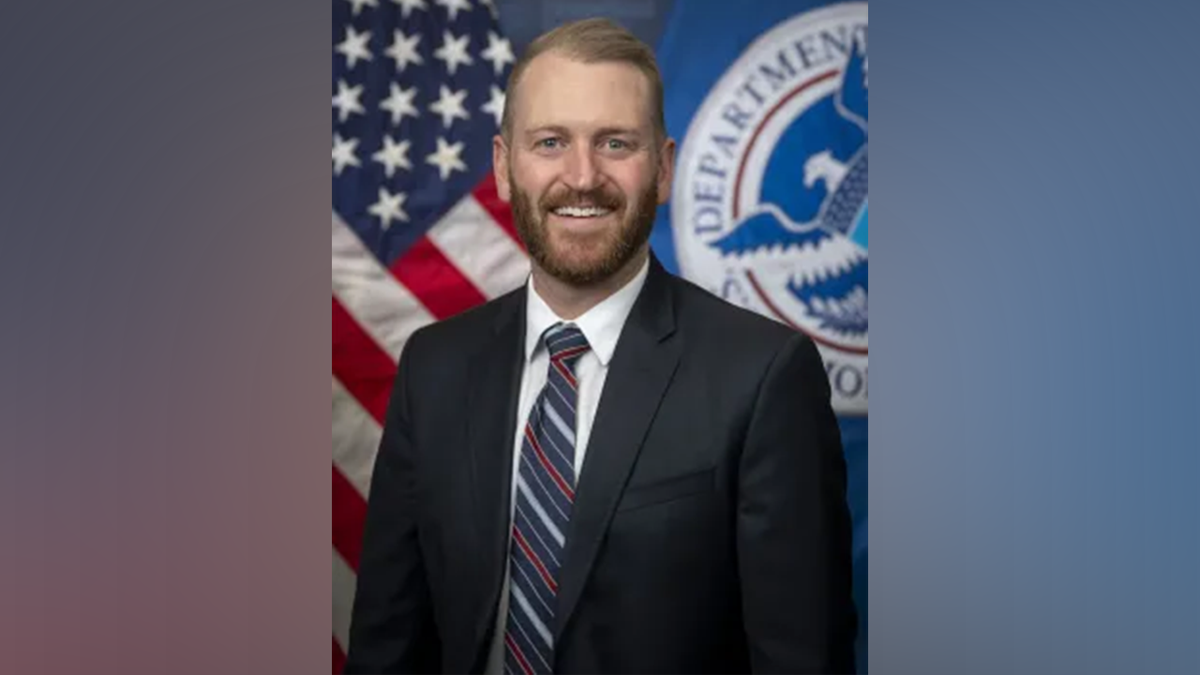
The DHS frequently applies ‘third-country’ removals when a removable individual cannot return to their home country, or when that country refuses to accept them. This approach is a part of a broader strategy of reactivating existing immigration authorities, according to agency General Counsel James Percival.
“Imagine going to a country and saying, hey, we’ve got a guy, he’s not your guy, and he’s a rapist, but can he please live there?” Percival told Fox News Digital, highlighting the difficulty of the process. “That’s not an easy ask. It requires significant diplomatic energy… Norway is not taking a rapist from Cuba.”
On Tuesday, the justices stayed a lower-court ruling that restricted the DHS policy, allowing current administration guidelines to proceed while the Supreme Court examines the case merits. Scheduled for December, the arguments will explore if agency procedures align with federal immigration law, due process, and torture safeguards.
The case focuses on procedure rather than DHS’s fundamental authority to execute third-country removals. Percival emphasized, “It’s in the statute expressly that we can do this. If you go back and read most of the immigration laws, there’s a lot of really good tools in there that people haven’t used.”
This third-country provision was part of a comprehensive immigration reform package enacted under President Bill Clinton in 1996, known as the Illegal Immigration Reform and Immigrant Responsibility Act (IIRIRA).
A lot of people in government treat their authority like fine china,” remarked Percival. “They’re afraid to use it, fearing it might be taken away, like fine china that remains unused due to fear of breaking it.
The Supreme Court’s recent stay permits deportations to third-party countries without expanded due process. However, human rights advocates have criticized this strategy, referencing allegations of abuse in Equatorial Guinea. This small African nation has been under President Teodoro Obiang’s control since 1979 and has secured $7.5 million from Washington as part of accepting third-country deportations.
I’d rather live in the United States than Equatorial Guinea too, but I’m an American citizen and I haven’t killed anybody,” Percival said regarding these concerns.
This issue partly stems from the Supreme Court’s 2001 decision on detaining a stateless legal resident ordered deported due to a criminal record. The court ruled that post-removal detention up to six months is reasonable, beyond which detention can be contested if removal seems unlikely.
Percival addresses this publicly through his ‘Daily Deportee’ series on X, highlighting criminals whose home countries refuse to accept them. One such case involves Burmese national Kyaw Mya. Percival plans to feature another case of a migrant who committed a violent crime, was not removed after serving time under the previous administration, and then reoffended.
As DHS seeks to apply underutilized tools in IIRIRA and other laws, Homeland Security Secretary Markwayne Mullin reiterates an option frequently pointed out to illegal immigrants and criminal resident aliens: “It’s not too late to get $3,000 and a flight home.”
Leave a Reply