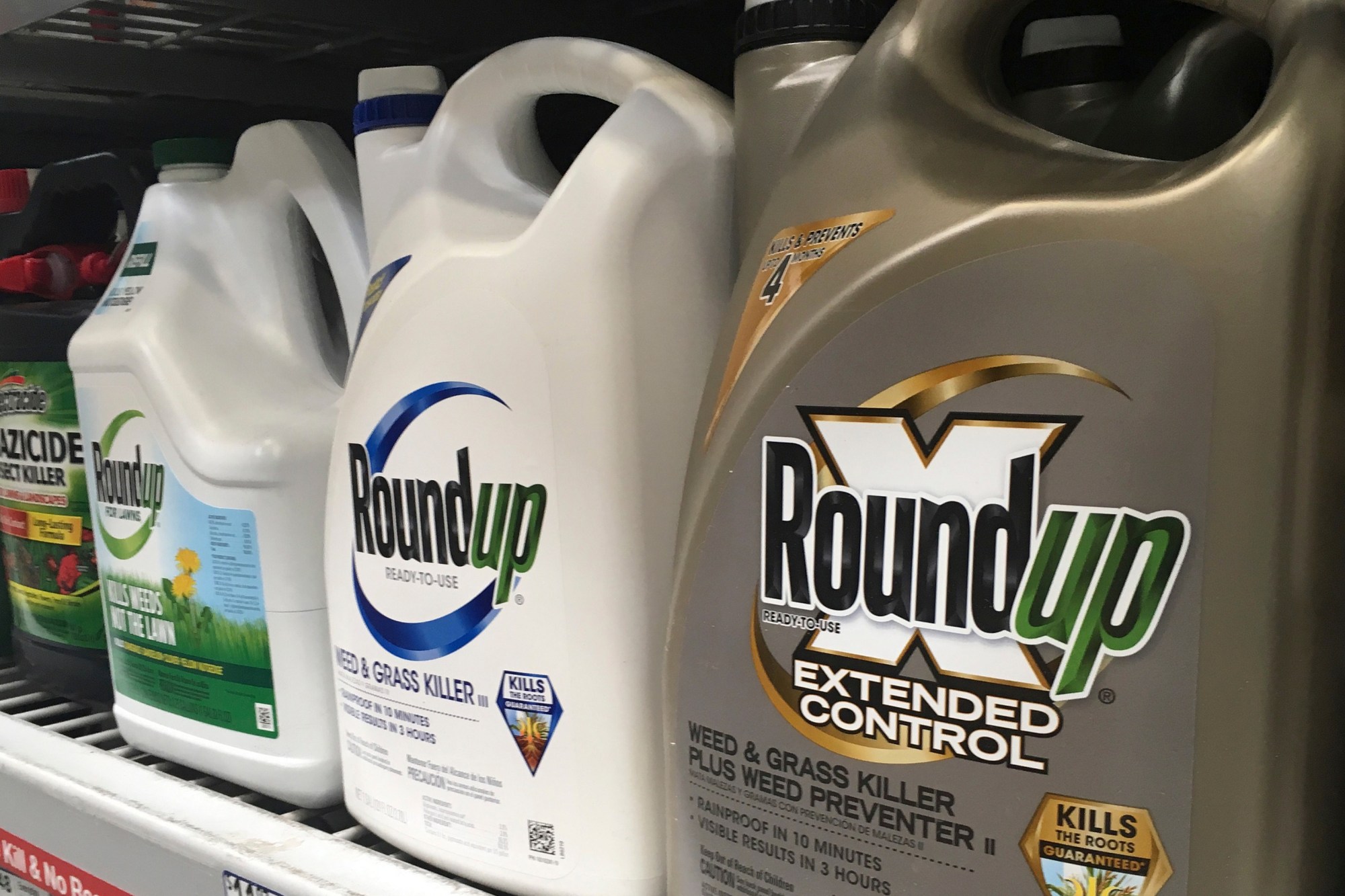
The recent Supreme Court 7-2 decision favoring Monsanto raises alarm for Americans concerned about health, agriculture, and fairness. This ruling impacts more than one chemical or company; it reveals how large corporations leverage government approval to evade accountability.
John Durnell used Monsanto’s Roundup over two decades in St. Louis parks and later developed non-Hodgkin’s lymphoma. A jury found Monsanto negligent for not warning him about cancer risks and awarded damages. However, the Supreme Court sided with Monsanto. The court ruled that federal law preempts state claims requiring different warnings because the Environmental Protection Agency (EPA) approved Roundup’s label without cancer warnings.
The Supreme Court decision shifts power away from juries and states, raising concerns that corporations might use federal product approval to hinder justice.
While this ruling doesn’t block all pesticide lawsuits nor eliminate state authority over pesticides, it restricts injured individuals’ capacity to file state failure-to-warn claims.
Government bodies should safeguard the public, yet they are prone to industry pressure and political interferences, often relying on data from companies they regulate for policy development. Corporations utilize these conditions to shape rules, exempting themselves from liability.
Roundup is pivotal in monoculture corn and soy production, prevalent in U.S. “animal feed and biofuel” farming. Factory farming follows suit, dodging accountability for pollution by using federal authority against stricter state regulations. Industrial farming is inadequately regulated, exposing workers and communities to harm.
In 2008, the Government Accountability Office revealed EPA’s lack of complete information on concentrated animal feeding operations, hindering effective regulation. Regulations without enforcement merely feign accountability.
The system’s burden falls on gardeners, farm workers, rural families, slaughterhouse workers, small farmers, consumers, and animals, not on executives. Farmers operate within a system established by large corporations, pushing them toward costly seeds, chemicals, and markets they lack control over.
Legal compliance doesn’t equate to safety; federal approval doesn’t ensure justice; regulation doesn’t guarantee protection. Despite rule adherence, harm persists.
Food system reform necessitates accountability along with resources, technical guidance, and public incentives aiding farmers in transitioning from chemical-heavy, confinement-based farming to health-supportive methods benefiting everyone and reducing impact.
Congress should affirm that federal approval doesn’t equate to corporate immunity. EPA approval should provide a safety baseline, not hinder states, juries, and communities from advocating stronger protection. Congress must oppose Big Agriculture’s attempts to nullify state animal welfare laws like California’s Prop 12, respecting voters’ choices for enhanced community and animal protections.
The Roundup ruling is a warning. When corporations manipulate rules and evade accountability post-harm, systemic failure is apparent. Congressional action is needed to hold accountable bad actors, fostering the welfare of people, animals, and our shared environment.
Gene Baur, the president and co-founder of Farm Sanctuary, authored “Farm Sanctuary: Changing Hearts and Minds About Animals and Food,” “Living the Farm Sanctuary Life,” and “Farm Sanctuary: The Story of a Movement.”
Leave a Reply