Democrats nationwide express strong disapproval following the Supreme Court’s decision in Mullin v Doe that permits the Trump administration to proceed with plans to return numerous temporary refugees from Haiti and Syria. The contentious debate centers on the term ‘temporary’ in temporary protected status for these refugees, raising questions about its true implications.
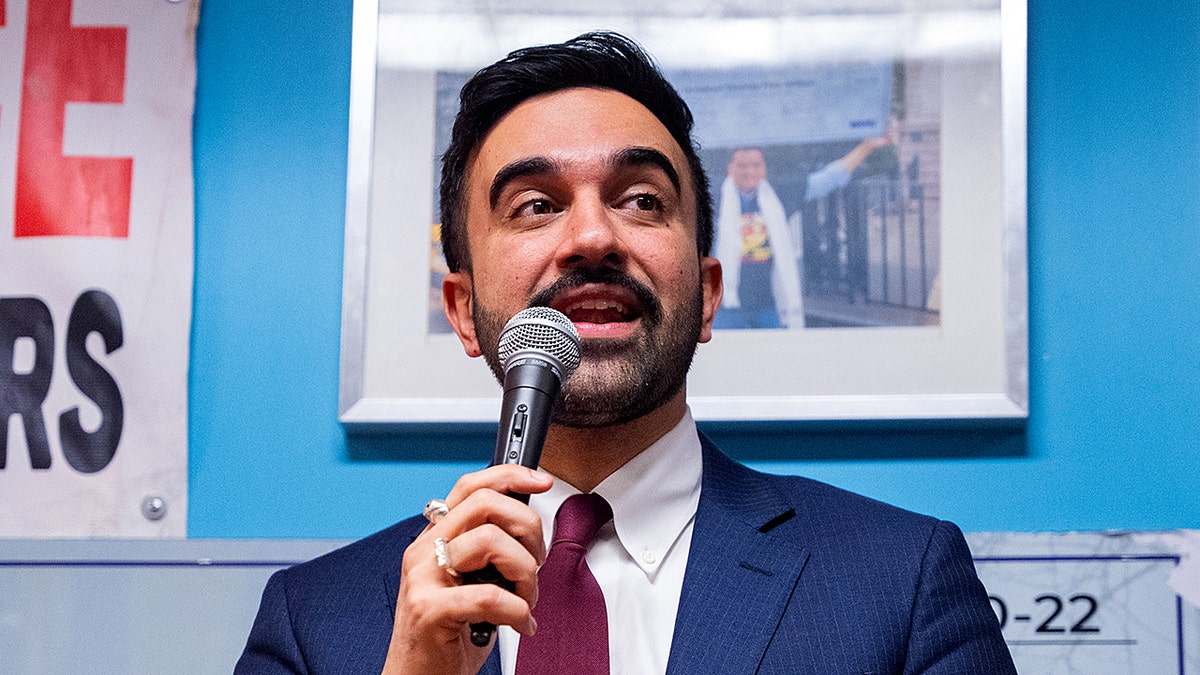
New York City Mayor Zohran Mamdani, a prominent figure within the Democratic Party, voiced his concerns, stating, “The Supreme Court has initiated one of the most significant assaults on immigrants in recent times. Thousands of Haitians and Syrians now face the risk of losing their right to reside and work in the country they consider home.”
The distinction between refugees and immigrants is crucial. Immigrants are often motivated to assimilate into American culture, as their future generations will reside here. Conversely, refugees might return to their homeland, hence the ‘temporary’ nature of their status.
This temporary status results in communities such as those in Springfield, Ohio, and Minneapolis observing groups of Haitians and Somalis retaining their traditions while benefitting from taxpayer support. Business owners and organizations like the Chamber of Commerce and the Cato Institute view this as advantageous due to the availability of a subsidized workforce.
However, many residents in Springfield, as observed in 2024, face challenges with an influx of 20,000 foreigners in a town of 50,000. Public schools struggle to adapt to the new demographic, and residents contend with scarce housing, impacting families seeking to live near their relatives.
Rep. Brandon Gill of Texas highlighted an overlooked issue, noting that many Haitians granted temporary protected status did not originate from Haiti but rather from countries like Brazil and Chile. These individuals have relocated to areas in the Midwest, notably Springfield, Ohio, altering the local cultural landscape.
Places like Harrisonburg, Virginia, exemplify successful refugee integration by accepting smaller numbers annually and providing language and job training, contrasting Springfield’s overwhelmed situation due to mass relocations.
Critics argue that temporary protected status transformed into a form of amnesty, exacerbated by benefits provided under President Biden’s administration. The introduction of over ten million illegal immigrants and thousands of refugees impeded immigration reform.
The Supreme Court’s ruling enables the Trump administration to remove these temporary migrants, with President Trump urged to address this issue decisively. Springfield residents believe their local officials favored inexpensive Haitian labor over their community’s interests. In response, voters gravitated toward Trump, who now has the opportunity to fulfill his commitment.
Leave a Reply