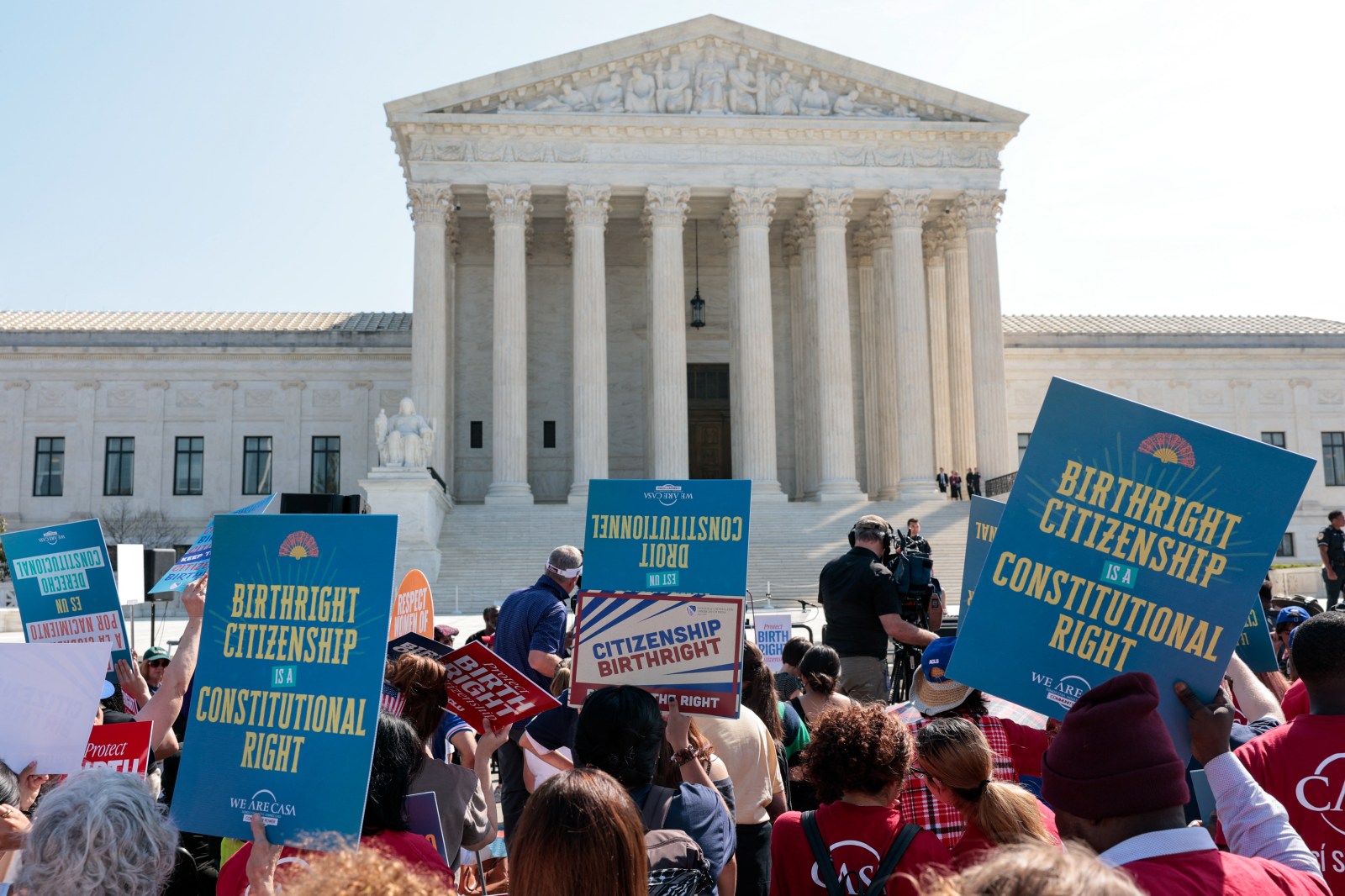
The recent 5-4 ruling by the U.S. Supreme Court affirming birthright citizenship brings relief amidst a series of reactionary decisions. It suggests that the Court acknowledges limits to its reversal of liberal American jurisprudence established over decades. This year saw several conservative rulings. However, striking down the constitutional right to citizenship by birth would have mirrored the impact of a reverse Roe v. Wade decision. Instead of judicial power creating a new right to privacy for abortion, it would have removed a well-established citizenship right.
Though the ruling preserved birthright citizenship, the Court’s direction remains clear: strengthening traditional rights while undermining emerging individual rights. Recent decisions have favored gun rights and imposed stricter policies on gay rights and immigration. This year’s allowances include barring asylum seekers, ending protections for certain immigrants, and supporting bans against trans athletes. Moreover, earlier rulings have permitted discrimination by businesses against gay individuals and challenged conversion therapy bans.
These actions align with efforts to dismantle liberal achievements, such as restricting abortion rights, weakening environmental regulations, and eroding protections against oligarchy. An additional concern this week was the decision increasing political influence of big money and broadening presidential powers to dismiss federal employees.
Chief Justice John Roberts authored the opinion on birthright citizenship, curbing the proposal by President Trump to limit it. Trump argued that the constitutional phrase ‘subject to the jurisdiction thereof’ excluded children of illegal immigrants. Historically, this clause aimed to exclude diplomats’ children, foreign invaders, and certain Native American tribes. Trump’s interpretation claimed illegal immigrants aren’t under U.S. jurisdiction, yet deportations continue, contradicting this claim.
The Supreme Court’s awareness of the inconsistencies in Trump’s argument provides some optimism for impartiality in its decisions. Nevertheless, the conservative movement persists, potentially influencing midterm elections.
Trump’s efforts to undermine trust in elections have been disproven repeatedly, with no evidence of widespread fraud despite persistent claims. The Supreme Court must ensure democratic integrity in the upcoming midterm elections by supporting judicial oversight and resisting dismissal of relevant cases.
The Court’s critical responsibility is to address fraud claims decisively and publicly. Clear validation of the 2020 results might have prevented the attack on the U.S. Capitol. This year, the Supreme Court’s actions could be pivotal in averting another such crisis.
Thomas G. Moukawsher, a former complex litigation judge in Connecticut and past leader within the ABA, reflects on these issues. Author of ‘The Common Flaw: Needless Complexity in the Courts and 50 Ways to Reduce It,’ his insights reflect individual perspectives rather than collective judicial opinion.
Leave a Reply