In a recent national referendum, Switzerland voted against implementing a strict limit on its population of 10 million. This proposal, driven by the conservative Swiss People’s Party, aimed to address population growth fueled by immigration.
Switzerland’s Unique Position
Switzerland stands out among nations as a successful multilingual state. It emerged from the historical conflicts of Europe, where regions speaking German, Italian, French, and Romansh formed a federal union. This union was intended to defend against powerful monarchies.
Mountain ranges provided Switzerland natural defenses, which were enhanced through military readiness. Since 1506, the Swiss Guard has protected the Pope. This force combines police, security, and investigative roles.
Switzerland maintained neutrality during both World Wars. Mandatory military service for men ensured preparedness. Swiss men remain obligated to routinely retrain and maintain firearms at home. With a population of 9 million, the country can quickly mobilize 200,000 men.
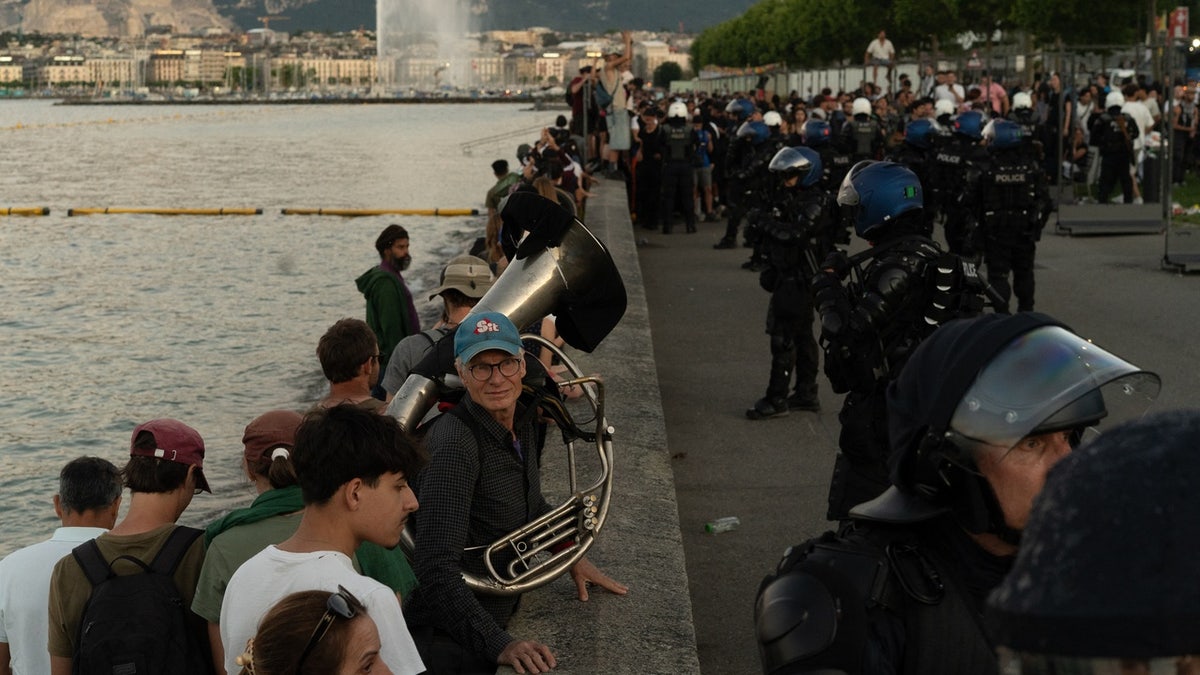
“Send them back,” chanted protestors in Geneva during a demonstration against G7, showcasing a more significant conflict over migration.
Migration and Its Challenges
Switzerland has expanded its defensive infrastructure with bunkers, tunnels, and concealed weaponry to deter invasion. During WWII, armaments were hidden in homes along expected invasion routes. Today, Switzerland can shelter its entire population, comparable perhaps only to Israel.
Population growth since 2002, at nearly 25%, arose mainly from immigration due to a low native fertility rate of 1.29. Many migrants originate from Europe, while others come from diverse global regions. The Muslim population now exceeds 6%.
Increased migration leads to higher housing costs, intensified job competition, and restricted access to services. These factors discourage native births. However, these demographic changes also push political and business leaders to seek more migration, perpetuating a cycle of dependency on immigration. This pattern resembles trends in places like Sweden, Switzerland, and U.S. states such as California.
Opposition to the Cap
Critics of the population cap included multinational corporations, media, and international organizations like the EU and UN. Many academics and pro-migration groups opposed the measure. NPR highlighted the Swiss response as rejecting a ‘right-wing’ proposal, welcoming the significant foreign presence in the country.
The Economist, a British publication advocating for mass migration, emphasized Switzerland’s economic reliance on international business. They argued that limiting foreign talent could hinder growth. For supporters of globalization, open borders are essential both economically and morally.
Support for the Cap
The proposal gained traction mainly among rural residents. Concerns centered on the strain on housing, healthcare, and transportation. Advocates sought to preserve Switzerland’s nature and lifestyle. Notably, some migrant groups now outnumber Romansh speakers, one of the country’s four official languages.
If passed, the cap would have required limits on asylum seekers and family reunification and might have ended Switzerland’s free movement agreement with the EU. The potential adverse impact on trade, given Switzerland’s landlocked position, influenced opposition, particularly in urban and business circles.
The issue remains unresolved, but if migration strains worsen, similar referenda may arise in the future, potentially with different outcomes.
Leave a Reply