Film captures the allure of movement, offering a visual journey through iconic dance moments that captivate and inspire. From Albert Lamorisse’s red balloon floating through Paris in 1956, to the swirling dresses of “Serpentine Danse” films, the motion on screen holds an enduring charm. This fascination with dynamic visuals extends to dance, where talent and spectacle create an emotional narrative.
Film preserves the ephemeral nature of dance, providing a timeless record of motion as described by art historian RoseLee Goldberg. It captures steps and leaps, allowing audiences to experience its magic repeatedly. To create a summer watch list rooted in dance, ten performance artists share the films that have influenced their work.
“Beau Travail” (1999) by Claire Denis
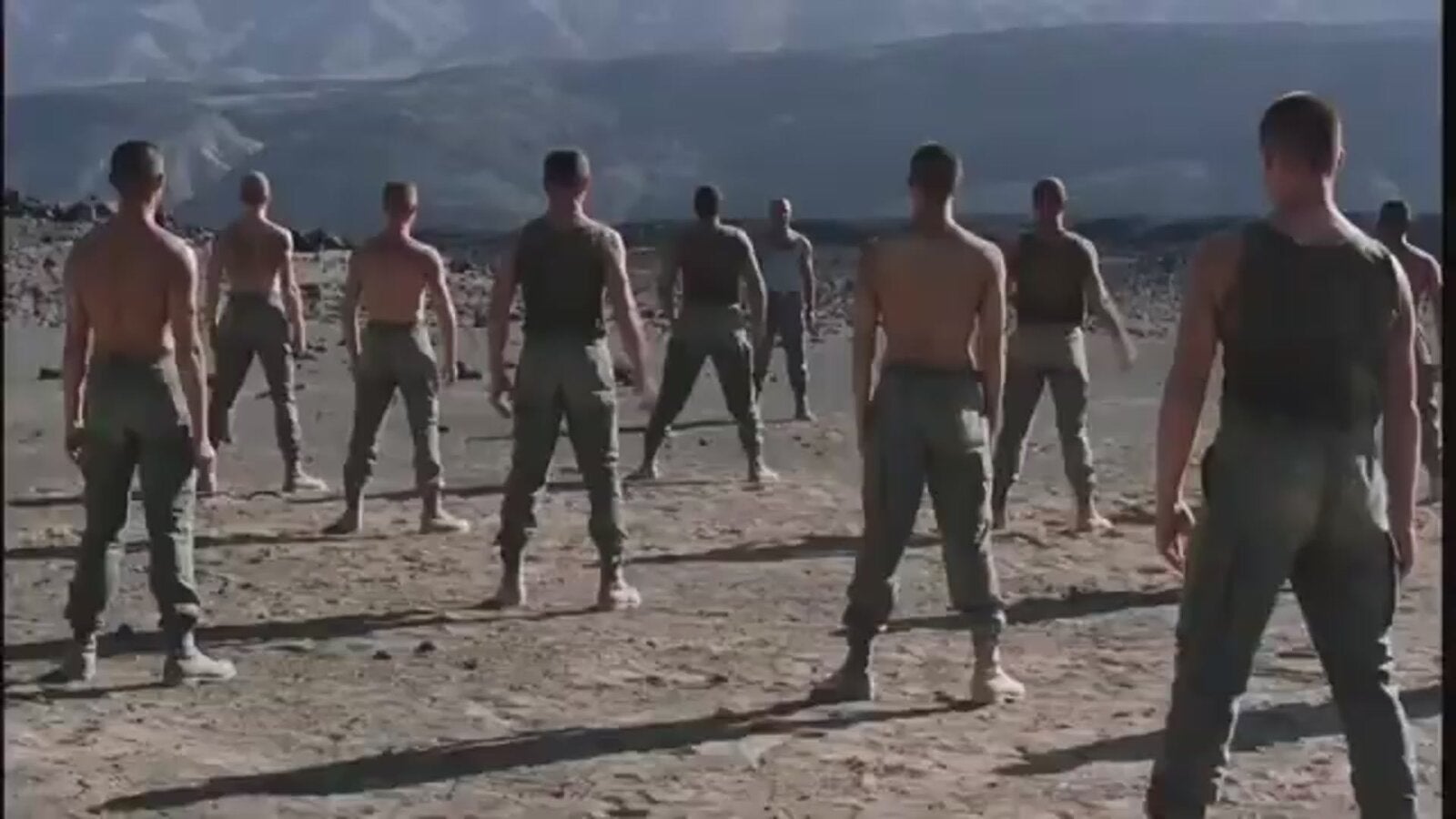
Celia Rowlson-Hall, a choreographer and director, recalls watching “Beau Travail” and feeling grateful for its existence. This film’s final scene, featuring Denis Lavant, delivers a powerful dance segment. Each of his moves is precise and intentional. The gradual buildup to this intense moment captivates viewers.
The film begins in a nightclub where soldiers dance with local women. It then transitions to the desert landscapes of Djibouti, reflecting rigorous training similar to a ballet. Soldiers leap over walls and crawl under wires, each interpreting the drills uniquely. Denis’s choice to end the scene abruptly leaves Lavant suspended in motion forever in the audience’s mind.
“West Side Story” (1961) by Robert Wise and Jerome Robbins
RoseLee Goldberg’s childhood in South Africa was dominated by a passion for dance. “West Side Story” was pivotal for her, mirroring societal conflicts and the unity of a young generation. Jerome Robbins’s choreography left a lasting impact on her vision of dance’s future.
The film portrays race and cultural tension in New York through vibrant choreography. Each gang’s distinctive style is displayed in the gym scene where the Jets bend forward and the Sharks twirl their skirts. This film inspired viewers to stride down the street with rhythmic confidence.
“Swing!” (1938) by Oscar Micheaux
Featuring the solo dance of Consuelo Harris, “Swing!” showcases the individuality and expressive energy of 1930s dance. Micheaux’s work stands as a testament to the power of movement to convey emotion and narrative within the medium of film.
Leave a Reply