The Declaration of Independence holds a special place in American history. Museum of the American Revolution CEO Will Cain and President Dr. Scott Stephenson discuss its significance as a foundational document of the nation. Stephenson highlights its influence across more than 100 countries. He states that the Declaration serves as a unifying creed for America, a nation formed by diverse individuals into a thriving political entity.
As the Fourth of July celebrations fade, the journey of commemorating America’s 250th anniversary isn’t over. Future events will mark Revolutionary War battles in cities like Boston, New York, and Yorktown that followed the Declaration’s signing. Celebrations will feature stories of lesser-known patriots.
Notably for those in the South, figures such as Francis Marion, known as the Swamp Fox, and Thomas Sumter, the Gamecock, will be honored in South Carolina. Battles like Kings Mountain and Eutaw Springs where Americans shaped history in the South will also be remembered.
The Declaration’s second sentence declares all men are created equal. Historians deem it impactful not only for the U.S. but for nations globally. America’s revolution inspired global overthrows of tyrants.
Thomas Jefferson’s words introduced a new form of government based on equality, natural rights, and consent of the governed. This inspired global revolutions and became a model for over 100 nations, from France to Korea. The Museum of the American Revolution in Philadelphia features an exhibit on the Declaration’s global journey, encouraging visitors to explore this legacy.
The Declaration catalyzed American independence efforts, leading colonies to establish their own governments, defying royal rule. The newly-formed states united under a central, elected government. Yet, the Declaration alone couldn’t secure freedom. Five years of battle were required to make it a reality.
During this period, America faced the British, the world’s strongest empire. Britain’s powerful navy and experienced regulars had recently bested France and others, ruling vast territories. Despite the challenges, America’s quest for independence persisted.
American forces, though assembled hastily and poorly resourced, managed to outlive and outmaneuver British forces. Despite losing battles, key victories at Saratoga and Yorktown highlighted American tenacity. The British defeat at Yorktown led their Secretary of State for the colonies, Lord George Germain, to advocate for continued war, pointing to America’s economic struggles. However, Parliament saw the impracticality of extending the conflict.
American resolve proved unbreakable. Their determination and tenacity surpassed British imperial ambitions. Nathanael Greene, a leading officer in the Southern Department, encapsulated this: “We fight, get beat, rise, and fight again.”
It wasn’t just the efforts of leaders like Washington and Jefferson that fulfilled America’s promise. The persistence and sacrifices of countless Americans transformed a powerful sentence into a foundation for a new republic. This inspired others worldwide who cherished freedom and liberty.
Experiencing America’s founding document is best achieved by visiting battlefields and historical sites where the Declaration of Independence became a reality. Such visits honor the enduring spirit of its people.
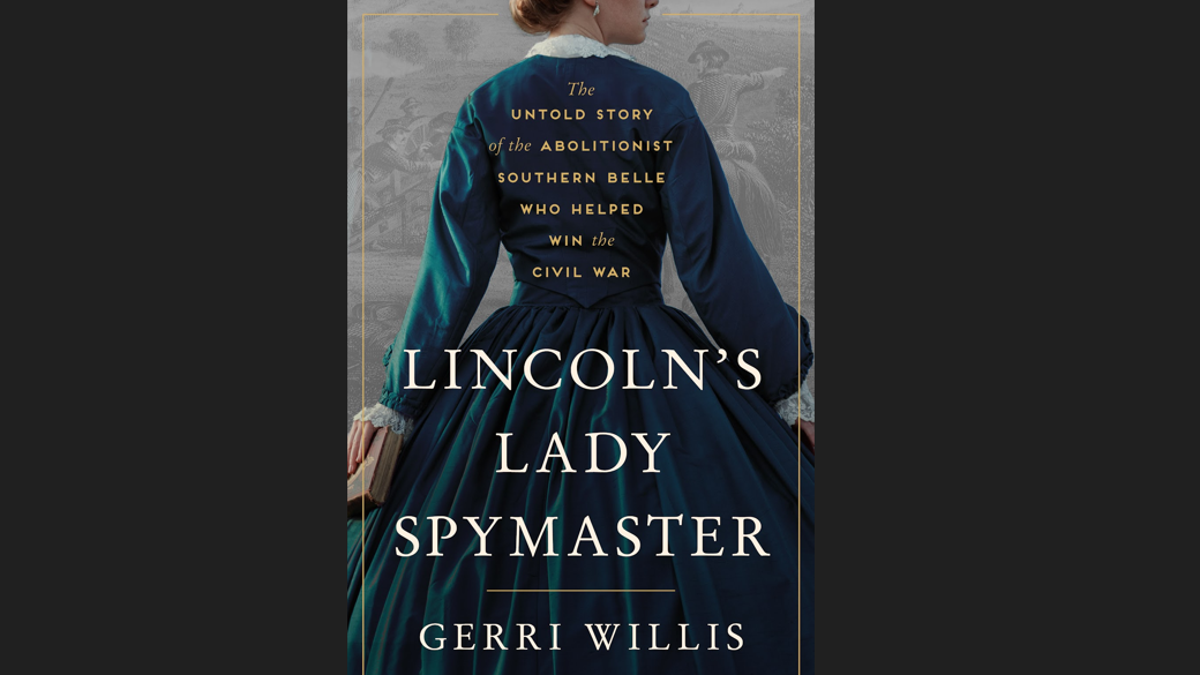
Gerri Willis, author of “Lincoln’s Lady Spymaster,” has been nominated for the People’s Choice Award by the Library of Virginia. As a native of North Carolina, her work reflects a deep engagement with American history.
Leave a Reply