During my childhood, many fathers in my neighborhood were World War II veterans. True to stereotype, they seldom spoke about their experiences. Information came indirectly. One friend’s father, who served in the Air Force in China, taught us the Mandarin phrase for ‘hot water.’ Another veteran father, who served in the Army, discreetly mentioned that he had burned his uniform upon returning home, which confused us. My own father, a Navy veteran, referred to ‘funny paperbacks’ from the war period.
While researching my book on The Great Gatsby, I learned my father was among the millions of servicemen receiving what is termed the ‘biggest book giveaway in history.’ When the U.S. entered World War II, efforts were made to provide books to servicemen to alleviate boredom. These books needed to be light and compact enough to fit in pockets. This presented a challenge to the Council on Books in Wartime, composed of publishers, librarians, and booksellers.
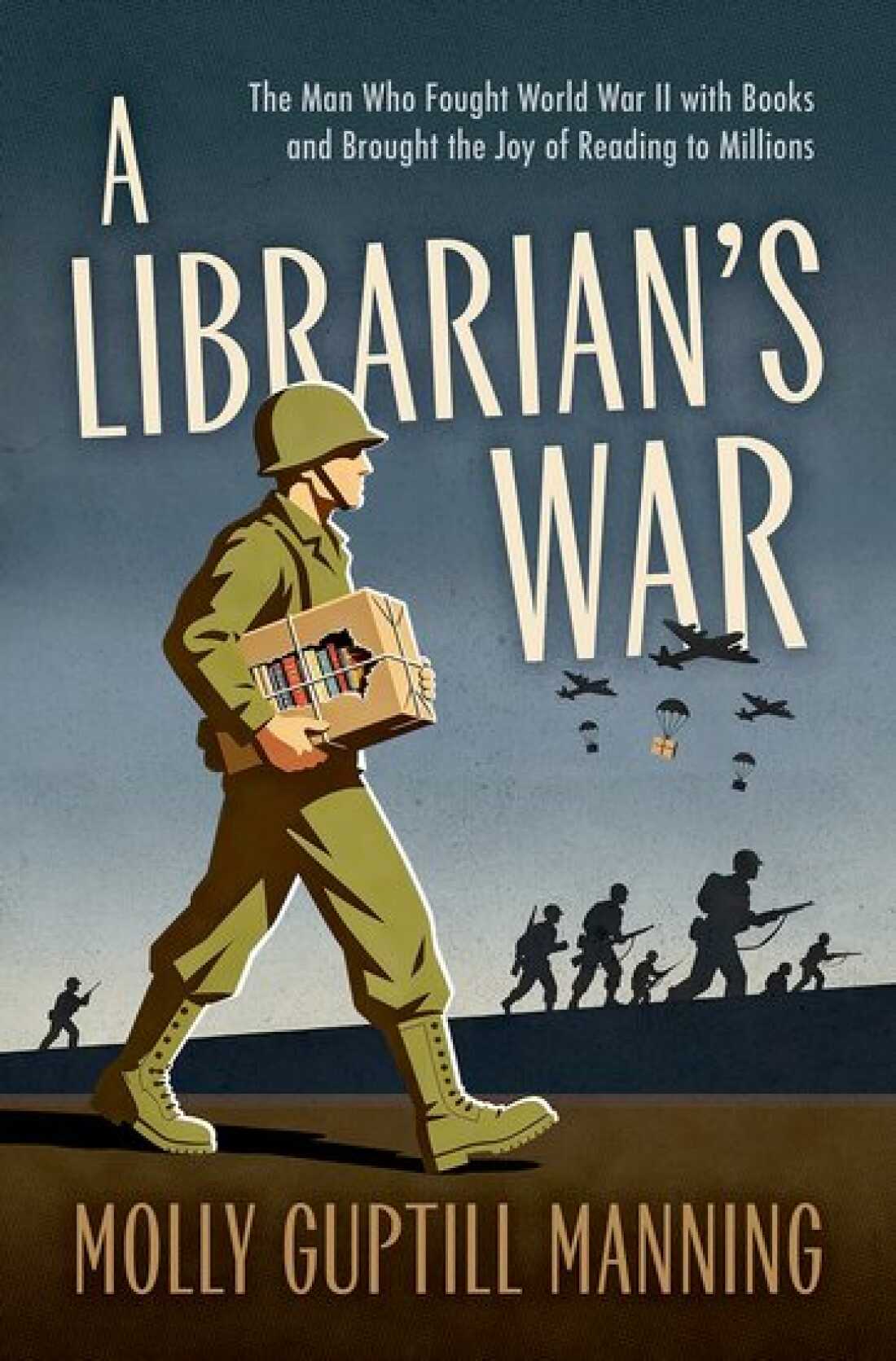
The council’s distribution approach contrasted with the Nazi book burnings that began in 1933. They adopted the motto: ‘Books Are Weapons in the War of Ideas,’ affirming the freedom to read widely. Col. Ray Trautman played a pivotal role in this story. Molly Guptill Manning’s forthcoming book, A Librarian’s War, details how Trautman devised not just distributing books but producing them. The Armed Services Editions, known as ASEs, were the ‘funny paperbacks’ my father mentioned, printed on pulp paper.
From 1943 to 1947, nearly 123 million ASEs were distributed to U.S. troops. The largest distribution occurred on the eve of D-Day, with soldiers carrying ASEs in their pockets. One popular title then was Betty Smith’s A Tree Grows in Brooklyn.
The council’s selection committee included varied titles beyond assumed preferences. Yes, cowboy stories, Tarzan tales, and suspense fiction were plentiful, including Forever Amber, a historical romance. However, the 1,322 titles included Moby Dick, biographies, essays by Lincoln and Emerson, and poetry.
Noteworthy, ASEs were mostly authored by white writers. Efforts were made to ban certain books. Manning noted pre-1944 election attempts to purge ASEs perceived to indirectly favor President Roosevelt. Nationally, newspapers published editorials and letters upholding reading freedom. Even troops protested against banning. Manning quoted a soldier’s letter: ‘Hitler started by banning and burning books he disagreed with.’
Widespread objections succeeded, maintaining soldiers’ reading freedom. Until A Librarian’s War releases, other books about ASEs include Manning’s earlier When Books Went to War and the Library of Congress’s Books in Action.
In 2012, at the Library of Congress, I researched how The Great Gatsby, initially receiving mixed reviews and sales after its 1925 publication, regained prominence post-F. Scott Fitzgerald’s 1940 death. The Armed Services Editions were essential in this revival; 155,000 copies of Gatsby were distributed as an ASE in 1945.
The Library of Congress holds the only complete ASE collection accessible to anyone; holding these books reminds us of their profound service.
Leave a Reply