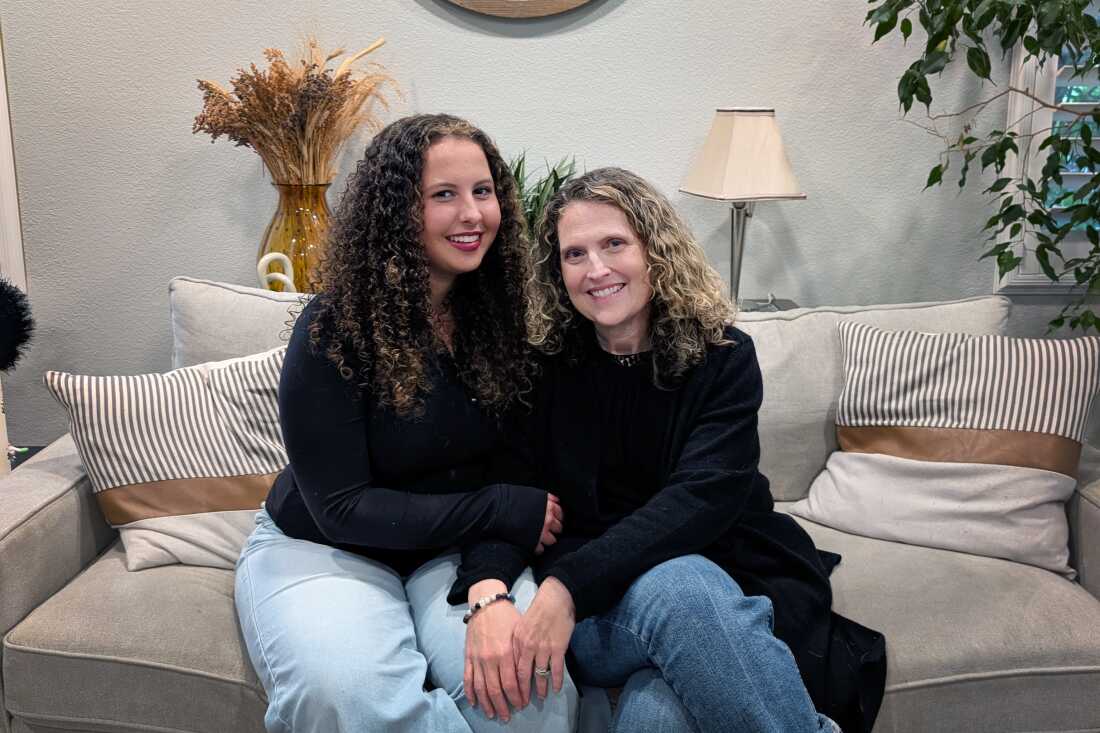
Ninth grader Soraya Martin, a resident of Concord, California, faces unique challenges in her education journey due to dyslexia. Using technology, Soraya has found a way to excel academically, despite the difficulties reading and writing present. With tools like dictation and audiobooks, she has turned a corner in her academic life, improving her grades and building her confidence.
Her mother, Heather Martin, emphasizes the importance of these technologies, especially for students with disabilities, amidst the growing national debate over screen use in schools. Many states, over 30 in fact, have implemented bans on cellphones in schools. Some extend even further, pushing to remove laptops and tablets entirely from classrooms. This is partly fueled by concerns about screen use hindering student learning, a topic highlighted by a recent advisory from the U.S. Department of Health and Human Services.
Heather is concerned that students with disabilities are not adequately considered in these policies. The discussion often neglects the needs of students who depend on assistive technologies. Innovative tools like speech-to-text programs and screen readers are crucial for students like Soraya, allowing her to participate fully in her education.
Screen-Time Limitations as a “Blunt Instrument”
Students with disabilities represent a significant portion of the student population, with over 8 million relying on various assistive technologies. These tools facilitate tasks like note-taking and reading. States like Alabama, Tennessee, and Utah have enacted laws to limit screen time, some effective as early as July. Lindsay Jones, CEO of the Center for Applied Special Technology (CAST), warns these rapid changes risk overlooking the needs of those with disabilities.
Jones points out that while exceptions for assistive technology often exist in these regulations, specifying them is only a minimum requirement. She advocates for more comprehensive policies, crafted with input from disabled individuals, to ensure the rights of these students are protected. The importance of considering diverse student needs becomes paramount as the U.S. Department of Education faces constraints and delays on digital accessibility rules.
The Role of Screens as Accessibility Tools
At Soraya’s high school, recent measures have further restricted technology by locking students’ phones during school hours. Heather is concerned these steps might lead to further restrictions on necessary educational tools. For students like Soraya, phones and screens provide essential access and functionality. Soraya expresses discomfort with the current policy, which adds barriers to her learning experience, such as having to request special permissions for necessary accommodations outlined in her individualized education program (IEP).
Concerns about “unintended consequences” arise, as educators adjust to new restrictions without considering the full impact on students with disabilities. Leaders like Jones advocate for intentional use of technology, which can offer flexible learning environments crucial for diverse learners. CAST’s Universal Design for Learning framework encourages educators to employ various resources and strategies to meet different learning needs in the classroom.
As policies limiting screens become more common, Jones stresses the importance of involving educators, disabled individuals, and assistive technology experts in policy-making. This collaborative approach promises to balance educational goals with the protection of students’ rights.
For Soraya, technology not only aids in her academics but also empowers her to explore and express her learning differences. She recently completed essays about how those with dyslexia learn, marking a personal accomplishment. Soraya’s story highlights the profound impact assistive technology can have, not just on grades, but on building confidence and self-expression.
Leave a Reply