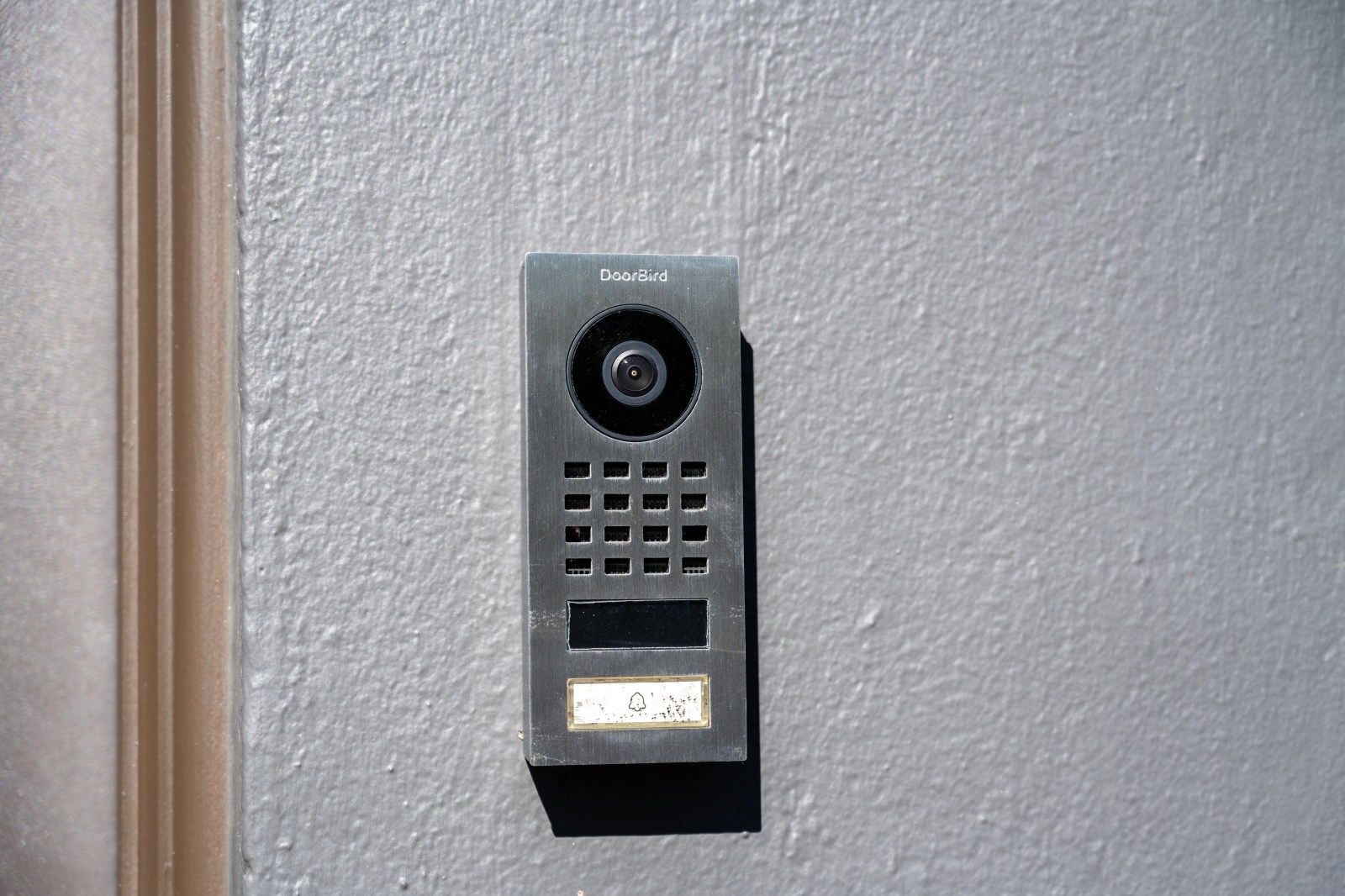
Smart-home technology is becoming a staple in modern households. Home sellers increasingly use cameras and recording devices to monitor potential buyers during property tours. This provides access to private conversations and reactions, which buyers might not expect.
A LendingTree survey involving 2,000 consumers in June 2026 revealed that 56% of home sellers admitted to using hidden cameras during home viewings. Meanwhile, 72% of buyers believed they were being monitored during a tour. This trend points to growing tension in real estate: sellers find new ways to protect properties and gather insights, while buyers worry about their private discussions being recorded.
Greg Field of HomeSmart Realty Pros notes that smart doorbells can capture clear audio from 50 feet away. Potential buyers should assume they are being watched as soon as they arrive at a property.
“From the moment you arrive at the house, consider yourself in a reality show,” states Field.
Why Are Sellers Using Surveillance?
Many sellers (61%) reported using cameras for protection. They monitor potential buyers walking through their homes. Other reasons include understanding buyer preferences, with 19% wanting insight into reactions. About 18% sought an advantage regarding buyer interest or to overhear agents.
“Homebuyers today should just assume everything they say or do is being recorded when they are looking at homes and plan accordingly,” advises Cara Ameer, an agent with Coldwell Banker.
LendingTree’s Matt Schulz concurs, suggesting that assuming constant surveillance is prudent. He advises buyers to discuss sensitive topics only after leaving the property.
Buyers’ Reactions to Being Watched
Buyers can change their approach if they suspect they’re being recorded. Real estate agents recommend caution with in-home conversations. Some buyers save in-depth discussions for outside the property. Around 19% of buyers have left showings due to feeling watched, and 18% have refrained from making offers.
According to the survey, 64% of recent buyers worry about being watched. Over 20% avoided discussing budget or offer strategy, hid excitement, or avoided expressing dislikes due to recording concerns. Additionally, 34% said knowing about recording equipment would make them less inclined to submit an offer.
Legal Considerations
Privacy concerns raise legal questions for sellers. Recording legality depends on location and recording type. Field points out that video recording inside private homes is common, but audio recording is a legal minefield. Without consent, recording conversations can violate ethical codes and potentially lead to wiretapping cases.
Video and audio surveillance differ legally. States often clamp down on recording private conversations without consent, affecting sellers’ legal obligations.
Professionals advise sellers to disclose surveillance and buyers to assume potential overhearing of in-house conversations. In today’s digital housing market, open houses may no longer solely serve buyers’ evaluations—sellers might evaluate buyers too.
Leave a Reply